




The End of the Sugar High
For generations, the answer to scorching Indian heat was a tall glass of something incredibly sweet. Think classic nimbu pani loaded with sugar, chilled Rooh Afza milkshakes, or freshly pressed ganné ka ras. These drinks provided an instant, if fleeting,
energy boost. Today, that sugar high is losing its appeal. A wave of health consciousness has swept across the country, making consumers wary of refined sugars and artificial syrups. People are now looking for hydration that refreshes without the subsequent crash, seeking drinks that nourish and cool rather than just deliver a dose of sweetness. This shift isn't about deprivation; it's about evolution. The modern Indian consumer wants their indulgence to be smarter, healthier, and ultimately, more satisfying.
A Revival of Savoury and Sour
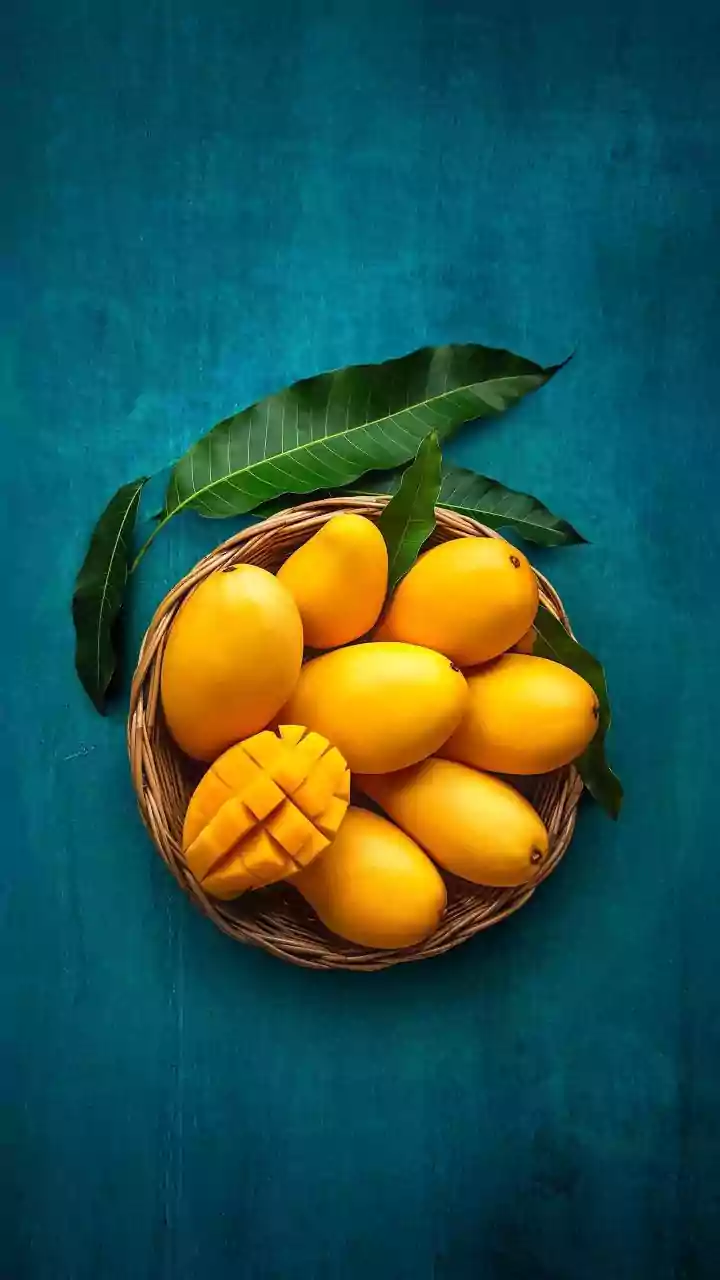
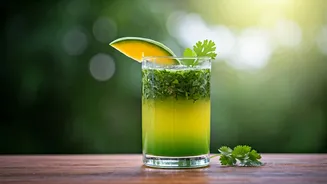
The new heroes of the summer beverage scene are not new at all; they are revered classics making a grand comeback. We're talking about the tangy, savoury, and sour flavours that have always been a part of Indian culinary tradition. Spiced buttermilk, or chaas, is no longer just a humble digestive; it’s being served in trendy cafes with infusions of mint and coriander. Aam panna, the raw mango cooler, is celebrated for its perfect balance of sweet, sour, and a hint of spice from roasted cumin. Then there's jaljeera, the zesty, peppery water that jolts the senses awake. These drinks are being rediscovered for what they always were: expertly balanced, naturally cooling, and packed with electrolytes and digestive benefits that sugary drinks simply can't match. Their revival signals a return to our roots, but with a modern appreciation for their complexity.
Embracing the Bitter and the Bold
Perhaps the most telling sign of our evolving palate is the growing acceptance of bitter and pungent notes. Bitterness in a drink was once something to be masked, but now it’s a sign of sophistication. Kokum sherbet, with its unique sweet-sour-astringent profile, is a prime example. Once a regional specialty of the Konkan coast, its deep-red hue and complex flavour are now sought after across urban India. Similarly, tamarind (imli) is being used for more than just chutneys; its sour, earthy depth is forming the base of artisanal coolers that offer a grown-up alternative to cola. These drinks challenge the palate, offering a layered experience that unfolds with each sip. This embrace of bitterness shows we're not just looking for refreshment; we're seeking a more engaging, multi-dimensional taste experience.
The Fermented Fizz Phenomenon
Alongside traditional Indian flavours, a global wellness trend has found a firm footing: fermentation. Kombucha, a fermented tea, has exploded in popularity. Its natural effervescence and slightly vinegary tang offer a fascinating alternative to commercial fizzy drinks. Local brands are experimenting with Indian flavours, creating kombuchas infused with hibiscus, ginger, or even rose. The appeal is twofold. First, there are the purported gut-health benefits from the probiotics. Second, the flavour is inherently complex—a little sweet, a little sour, and endlessly customisable. This trend proves that health and flavour are no longer mutually exclusive. Consumers are actively seeking out drinks that do more for their bodies while still delivering a unique and enjoyable taste.
Craftsmanship in a Glass
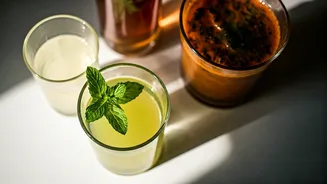
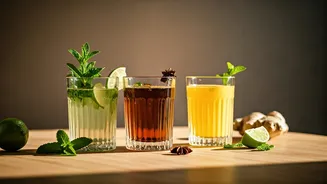
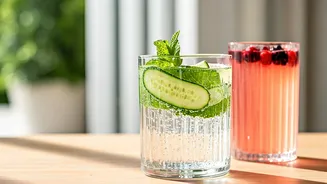
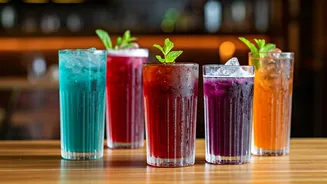
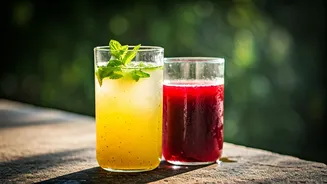
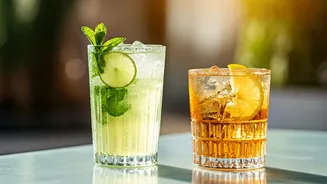
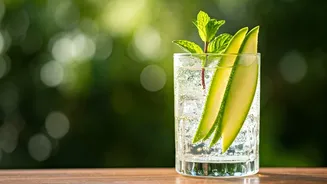
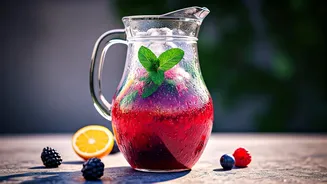
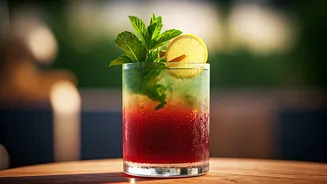
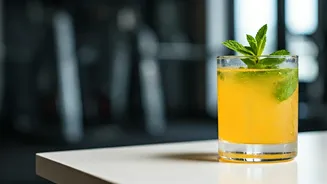
This shift in consumer taste is being met with a surge of creativity from cafes, bars, and home-grown beverage brands. The era of pouring from a bottle of pre-made squash is fading. Today, it’s all about the 'craft' cooler. Bartenders and baristas are acting like chefs, creating their own syrups from scratch using whole spices, fresh herbs like basil and rosemary, and seasonal fruits. Presentation is key, with drinks served in beautiful glassware, garnished with edible flowers, and designed to be as visually appealing as they are delicious. This artisanal approach elevates the humble summer drink into a full sensory experience. It's a clear message that a non-alcoholic beverage can and should receive the same level of care, creativity, and respect as a high-end cocktail.