




The Mineral of the Moment: Magnesium
The mineral taking social media and wellness blogs by storm is magnesium. It's an essential nutrient the body can't produce on its own, meaning we must get it from our diet. Involved in over 300 biochemical reactions, magnesium is a powerhouse that supports
everything from energy production and muscle function to nerve signaling and blood pressure regulation. Despite its critical role, many people don't get enough of it, which has fueled a massive market for supplements. But before you add another bottle to your shelf, you might want to look at your plate first.
Why All the Hype?
Magnesium's popularity isn't unfounded. It's earned its reputation for a wide range of benefits. It's known to help relax muscles and is often used to soothe soreness. It also plays a significant role in the nervous system, helping to regulate neurotransmitters that promote calm and can ease anxiety. This connection to relaxation is why it has become so popular as a natural sleep aid. Furthermore, studies show magnesium is vital for heart health, helping to maintain a steady heartbeat and healthy blood pressure levels. It also aids in blood sugar control, which may lower the risk of type 2 diabetes.
Dark Leafy Greens: The Power of Palak
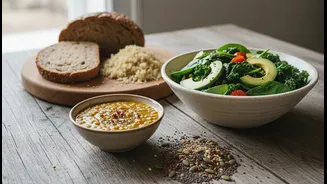
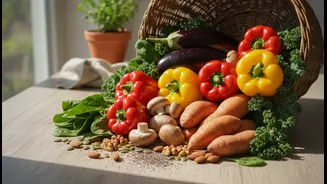
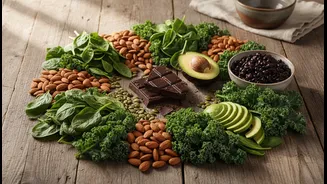
One of the best and most accessible sources of magnesium is dark leafy greens, a staple in Indian cuisine. Spinach (palak) is a true superstar; just one cooked cup can provide a significant portion of your daily magnesium needs. Other common greens like fenugreek (methi) and mustard greens (sarson) are also excellent sources. Incorporating these into your daily sabzi, dal, or even parathas is a simple and effective way to boost your intake. Cooking these greens can make the magnesium more available for your body to absorb.
Legumes and Lentils: The Humble Dal
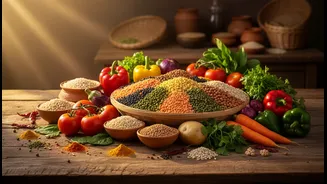
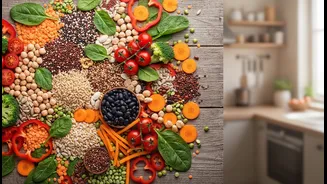
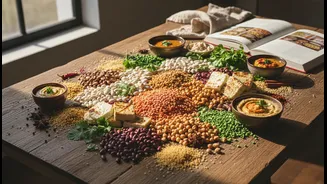
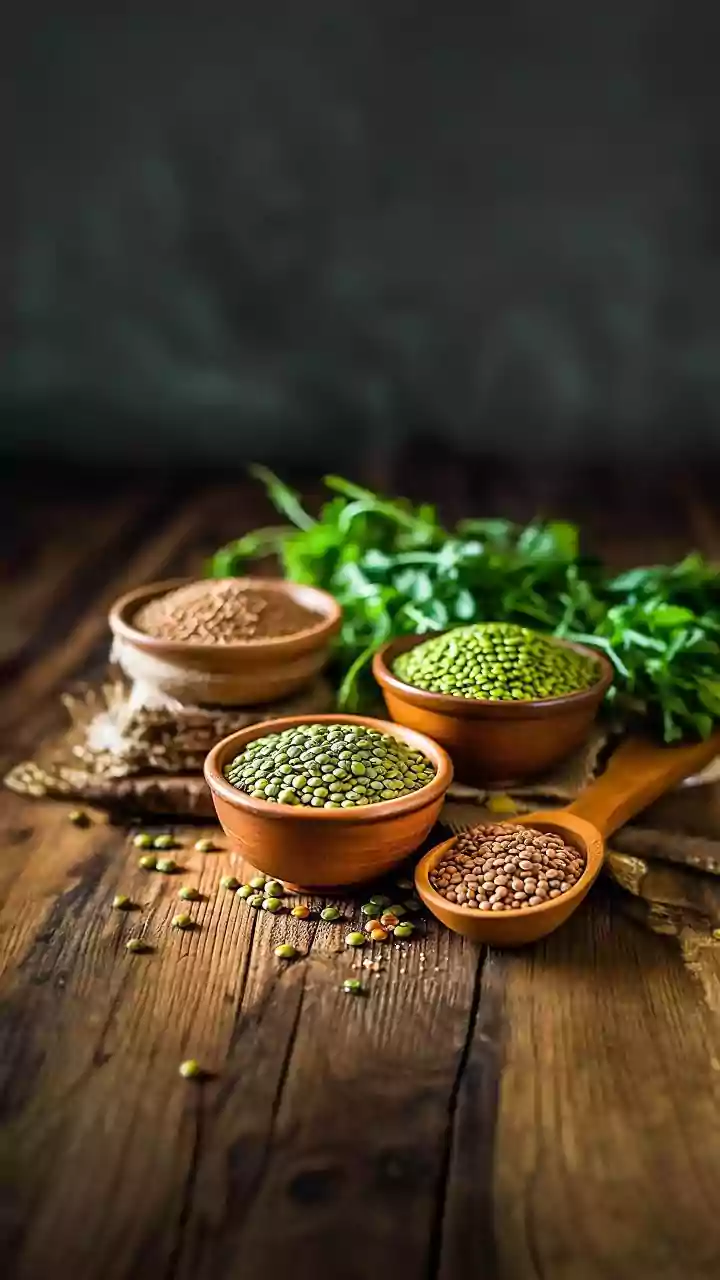
The daily bowl of dal is more than just comfort food; it's a nutritional powerhouse. Lentils (dal), chickpeas (chana), and kidney beans (rajma) are all packed with magnesium. A single cup of cooked lentils or black beans provides a healthy dose of the mineral. Given that dals and legumes are fundamental to Indian meals, from chana masala to rajma chawal, you're likely already consuming this vital nutrient. Making a conscious effort to include a variety of these pulses in your weekly diet ensures a steady and reliable supply of magnesium.
Nuts and Seeds: A Crunchy Boost
For a quick and potent magnesium hit, look no further than nuts and seeds. Pumpkin seeds are one of the most concentrated food sources available, with just a small handful delivering a massive amount of magnesium. Almonds (badam) and cashews (kaju) are also fantastic choices and are easily added to snacks, desserts, or breakfast bowls. Sesame seeds (til), commonly used in Indian sweets and chutneys, are another powerful source. Snacking on a mix of these nuts and seeds is an effortless way to increase your magnesium levels while also getting healthy fats and protein.
Whole Grains: Millets and More
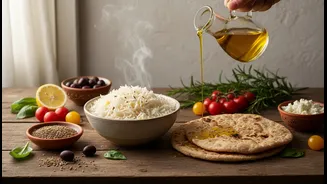
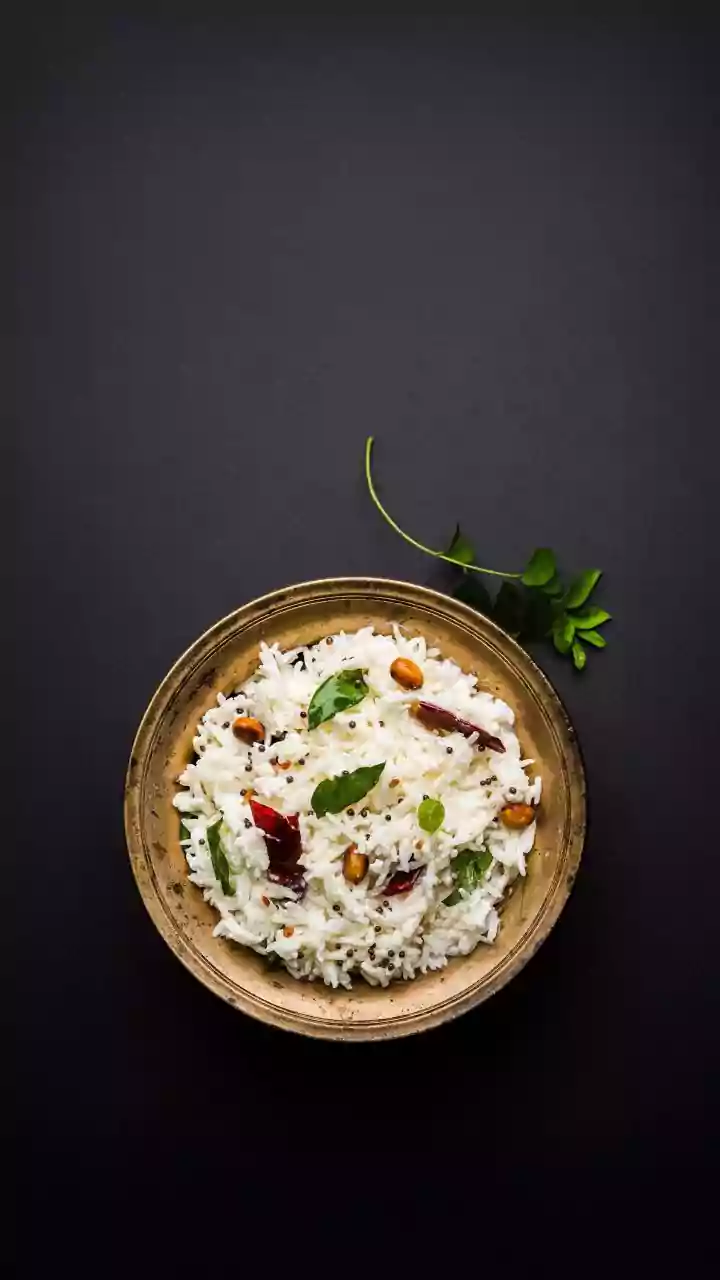
Refined grains lose a significant amount of their magnesium content during processing, which is why choosing whole grains is key. Traditional Indian staples like bajra (pearl millet) and ragi (finger millet) are excellent magnesium sources. Simply swapping white rice for brown rice or incorporating rotis made from whole wheat (atta) or millets can make a substantial difference in your daily intake. These grains not only provide magnesium but also offer essential fiber that aids in digestion and overall health.