
Why Terracotta is a Top Choice
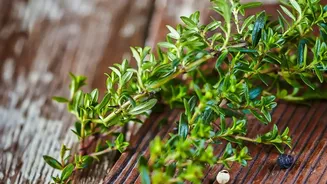
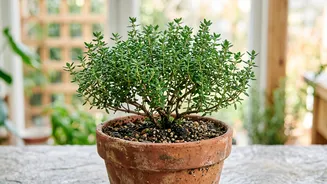
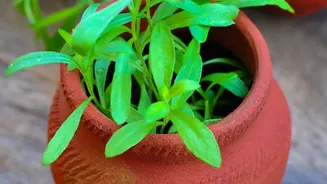
Thyme is a Mediterranean herb that thrives in conditions that mimic its native, sun-baked hillsides: dry, airy, and well-drained. This is where terracotta pots shine. Unlike plastic or glazed containers, unglazed terracotta is porous, allowing air and moisture
to pass through its walls. This 'breathing' action helps wick away excess water from the soil, preventing the damp conditions that can lead to root rot, the most common killer of potted thyme. By helping the soil dry out more evenly between waterings, terracotta pots naturally create the drier environment thyme prefers, concentrating the essential oils that give the leaves their signature aroma and flavour.
The Non-Negotiable Need for Drainage
While a terracotta pot is a great start, the single most critical factor for success is drainage. A pot without holes is a death sentence for thyme. Without an escape route, water pools at the bottom, saturating the soil and suffocating the roots. This is why the headline specifically calls out 'drainage holes'. Ensure your chosen pot has at least one, and preferably several, generous holes. This allows you to water the plant thoroughly—until water runs from the bottom—which encourages deep root growth, without the risk of creating a swampy, oxygen-deprived root zone.
The Perfect Soil for Potted Thyme
Standard potting soil on its own is often too rich and moisture-retentive for thyme. To create the ideal lean, gritty medium, you'll need to amend it. A simple and effective mix is about two-thirds high-quality potting mix blended with one third coarse material like horticultural sand, perlite, or fine grit. This combination ensures the soil structure remains loose, allowing water to drain quickly and preventing compaction. Remember, thyme does not need to be 'fed up' with rich compost; its best flavour develops in less fertile conditions.
Planting and Placement for Success
When you're ready to plant, it's often easier to start with a small, established plant from a nursery rather than seeds, which can be slow to germinate. Choose a pot that is slightly larger than the root ball; a container that is too big can hold excess moisture. A good starting point is a pot about 15–20 cm in diameter. Place your potted thyme in the sunniest spot you can find. This herb needs at least six hours of direct sunlight per day to thrive and produce the most aromatic leaves. A south–facing window, balcony, or patio is ideal.
The Art of Watering Thyme
The golden rule of watering thyme is : when in doubt , wait . Overwatering is a far greater risk than underwatering . Before giving your plant a drink , check the soil . If the top one to two inches feel dry to the touch , it 's time to water . Another easy method is to feel the weight of the pot ; a dry pot will feel noticeably lighter than a wet one . When you do water , do it thoroughly until you see it drain from the bottom holes , then allow the soil to dry out again . In summer , this might be every few days , while in winter , it could be as infrequent as once every few weeks .
Pruning for a Fuller , Bushier Plant
Regular pruning is the secret to preventing your thyme from becoming sparse and woody . Harvesting frequently is the easiest way to prune . When you snip sprigs for cooking , cut just above a set of leaves or a node (the point where leaves emerge from the stem) . This encourages the plant to branch out , creating a fuller , more compact shape . A light trim in spring and another after it flowers will help maintain its form and vigour . Avoid cutting back into the old , bare wood , as it may not regrow .
Harvesting for Peak Flavour
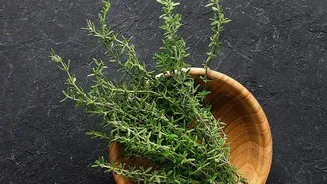
You can harvest thyme year–round , but its flavour and aroma are most potent in the summer , just before the plant flowers . The best time of day to harvest is in the morning , after the dew has evaporated but before the intense heat of the sun . Use clean scissors to snip the top one–third of fresh , green shoots . Even the tender stems of young growth can be chopped up and used in cooking . Regular harvesting not only provides you with fresh herbs but also serves as the consistent pruning your plant needs to stay healthy and productive .