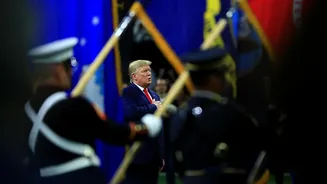






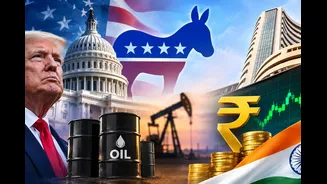
The US midterm elections have delivered a split verdict, with Democrats taking control of Congress. Now, investors globally are parsing the results, trying to decipher what a divided government in Washington means for their portfolios.
An Initial Sigh of Relief
In the immediate
aftermath of the election results, global markets showed a sense of cautious optimism after a period of volatility. While US stock futures initially dipped overnight as results trickled in, they recovered by the morning of November 4. European stocks also turned higher after a nervous start, with the Euro Stoxx 50 and Germany's DAX posting gains. This reaction is rooted in a long-held Wall Street belief: political gridlock is often good for markets. A divided government, with a Republican president and a Democratic Congress, makes it much harder to pass sweeping, disruptive legislation on taxes or spending, leading to a more predictable policy environment. Historically, the 12 months following a midterm election have been one of the strongest periods for US equities, a trend investors will be hoping continues.
The Global Ripple Effect
The election's impact was felt far beyond American shores. In Europe, the results triggered notable sector-specific movements. Clean energy companies, which faced headwinds under the previous administration's policies, saw their stocks surge. Danish wind farm developer Ørsted and turbine maker Vestas both rallied significantly. Conversely, defense stocks in the UK, France, and Germany fell on fears that a Democratic Congress could slow the growth in US military spending. Asian markets displayed more volatility, reflecting a mix of concerns and adaptive strategies from investors in the region. The US dollar weakened against major currencies like the euro and the Japanese yen, which in turn gave a boost to commodities like gold, which rose above $4,000 an ounce.
A Closer Look at Key Sectors
The new political alignment in Washington is expected to create distinct winners and losers across various industries. The technology sector, particularly companies involved in the artificial intelligence buildout, is facing increased scrutiny. Concerns about tighter regulation, especially around data centre development and AI safety, weighed on tech-heavy indices. On the other hand, the healthcare sector, specifically insurers focused on Medicaid, may benefit as Democrats are expected to resist spending cuts in this area. Financial stocks could face pressure, as some lawmakers from both parties have expressed support for capping credit card interest rates.
What Does This Mean for India?
For Indian markets and investors, the key area of focus will be trade policy. While a Democratic Congress is expected to apply greater scrutiny to the administration's use of tariffs, the President retains significant executive power in foreign and trade affairs. This means that while broad new tariff policies are less likely, uncertainty around trade, particularly concerning the US-Mexico-Canada Agreement (USMCA) and relations with China, will persist. The administration may rely more on executive actions to pursue its trade agenda. India's strategic role for the US in areas like defense and critical minerals will likely continue to be important, but businesses will need to pay close attention to any unilateral moves on tariffs over the next two years.