



Understanding the Current Warnings
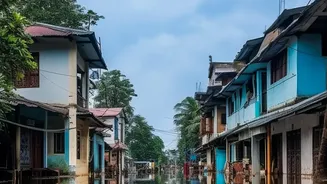
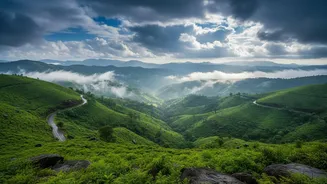
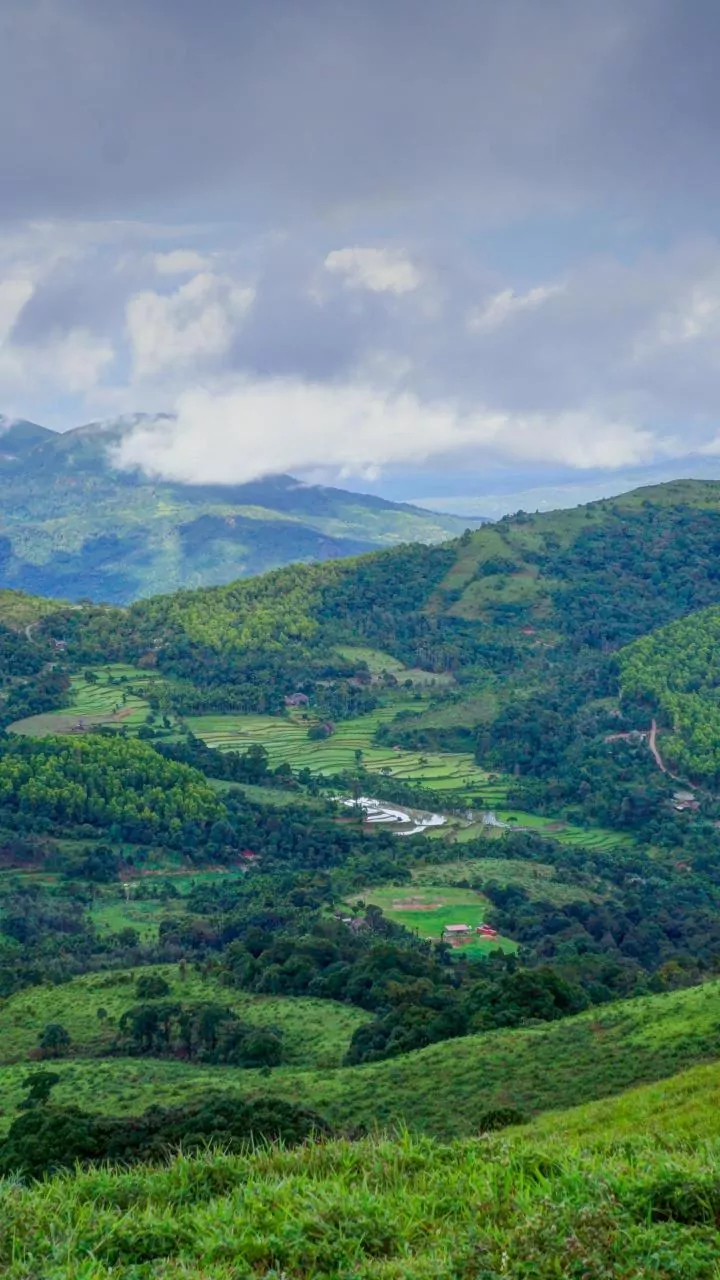
The India Meteorological Department (IMD) has issued heavy to very heavy rainfall alerts for numerous states, including Kerala, Karnataka, Uttarakhand, and parts of Northeast India. These warnings, often colour-coded as orange or red alerts, signify a high
risk of dangerous weather events like flash floods, landslides, and severe waterlogging. Hilly regions and coastal areas are particularly vulnerable during this period. Authorities in affected states have put disaster response teams on high alert and advise the public to postpone non-essential travel. Before making any plans, it is vital to check the latest district-level advisories.
Your Pre-Travel Safety Checklist
An informed traveller is a safe traveller. Before you even think about packing, consult the IMD website and official state disaster management portals for the most current weather forecasts and warnings for your specific destination. Choose destinations known for better infrastructure and lower risk during the rains. It is wise to book accommodations that offer flexible cancellation policies. Inform a family member or friend of your detailed itinerary and establish regular check-in times. Most importantly, if a region is under a red or orange alert, the safest decision is to postpone your trip.
On the Road: Driving with Extreme Caution
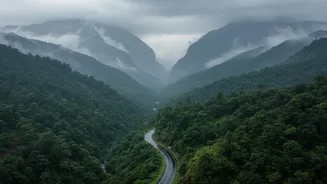
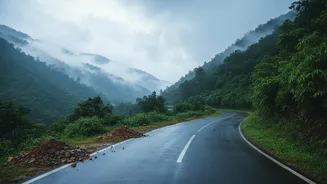
If you must drive, extreme caution is non-negotiable. Wet roads significantly increase braking distance and the risk of skidding, so reduce your speed and maintain a safe gap from the vehicle ahead. Ensure your vehicle's tyres, wipers, and headlights are in perfect condition. Never attempt to drive through waterlogged streets, as it's difficult to gauge water depth and submerged hazards. In hilly areas, be vigilant for falling rocks and avoid driving at night when visibility is poor and risks are higher. If rainfall becomes too intense, pull over at a safe, stable location and wait for conditions to improve.
An Essential Monsoon Travel Kit
Packing smart can make all the difference. Your luggage should include a strong umbrella and a quality raincoat. Opt for quick-drying synthetic clothes over cotton and denim. Rubber sandals or waterproof shoes with good grip are essential for navigating wet and slippery surfaces. Pack everything in waterproof bags or use a rain cover for your backpack to protect your belongings. An emergency kit should contain a first-aid box, insect repellent, hand sanitiser, any personal medications, and a powerful torch. Given the possibility of power cuts, a fully charged power bank is a modern-day essential.
Health and Hygiene on Your Trip
The monsoon season brings an increased risk of water-borne and vector-borne diseases. To stay healthy, avoid drinking water from unreliable sources; stick to bottled or properly purified water. Be cautious with street food, especially items that may have been washed with or exposed to contaminated water. Mosquitoes are rampant during this season, so use a strong insect repellent to protect yourself from illnesses like dengue and malaria. Keep your feet dry whenever possible and carry antifungal powder to prevent skin infections, which are common in damp conditions.
At Your Destination: Staying Alert
Once you've reached your destination, the need for caution continues. Pay attention to local news and advice from hotel staff or authorities. Avoid trekking in the rain, especially in areas known for landslides. Stay away from swollen rivers and waterfalls, as water levels can rise unexpectedly and with great force. Choose indoor activities if the weather outside is severe. Always have a list of local emergency numbers, including the nearest hospital and police station. The goal is to enjoy the beauty of the monsoon, not to become a casualty of its power.