
What Is This Stuff, Really?
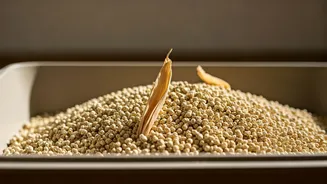
At its core, this trending product is a type of cat litter made from natural, plant-based materials instead of traditional clay or silica. The most popular variant right now uses corn as its primary ingredient—specifically, the inedible parts of the plant like
husks and cobs. Through a manufacturing process, these agricultural leftovers are dried, ground down, and processed into lightweight, highly absorbent pellets or granules. Unlike clay litter, which is mined from the earth, corn litter is a renewable resource. The final product often looks like coarse sand or small pellets, and its natural composition is the main reason it's gaining so much attention from eco-conscious pet owners.
The Eco-Friendly Appeal
The biggest selling point is sustainability. Traditional bentonite clay litter is sourced through strip mining, an environmentally disruptive process. Furthermore, used clay litter is not biodegradable; it sits in landfills for centuries. Corn husk litter, on the other hand, is completely biodegradable. After removing solid waste, the used clumps can theoretically be composted (though it’s not recommended for vegetable gardens due to pathogens). This ‘farm-to-litter-box’ cycle resonates with a growing number of Indian consumers who are looking for ways to reduce their household's environmental footprint. The packaging is often recyclable, and the product itself is a clever use of agricultural by-products that might otherwise go to waste, adding to its green credentials.
Performance and Pet Comfort
An eco-friendly product is great, but for cat parents, performance is non-negotiable. Proponents of corn litter claim it excels in several key areas. First, odour control. Many brands have a natural ability to trap ammonia smells, keeping the litter box area fresher for longer. Second, it's often 99% dust-free, a huge advantage over clay litters that can kick up clouds of dust, irritating both human and feline respiratory systems. Most corn litters also clump remarkably well, forming solid, easy-to-scoop masses that make daily cleaning simpler. For cats, the softer texture can be more comfortable on their paws compared to the hard, rocky feel of some silica or clay options.
Why Is It Trending Now?
The sudden visibility of corn litter isn't just about its features; it's about smart marketing and social media dynamics. The product is visually appealing—clean, bright, and uniform. This makes for great ‘satisfying content’ on platforms like Instagram and YouTube, where users post videos of the litter’s impressive clumping action. Pet influencers and everyday users share their positive experiences, creating a powerful wave of social proof. As urban pet ownership grows in India, so does the demand for premium, convenient, and conscientious products. Corn litter sits at the perfect intersection of these trends: it’s seen as a modern, clean, and responsible choice for the discerning pet parent.
The Catch: Cost and Considerations
Before you rush to switch, there are a few practical points to consider. The most significant is cost. Corn-based litter is typically more expensive per kilogram than standard bentonite clay litter. While manufacturers argue that its high absorbency and clumping efficiency mean you use less over time, the initial sticker shock can be a barrier for many. Availability can also be a factor, though it's rapidly improving on major e-commerce platforms. Finally, there's the most important stakeholder: your cat. Felines can be notoriously fussy about their litter. Any change should be done gradually, mixing a small amount of the new litter with the old and slowly increasing the ratio over a week or two to ensure your pet accepts the new arrangement.