


The Invisible Risk of Humidity
We often think of heatstroke as a danger linked to scorching outdoor sun. However, the high humidity common across India creates a perilous environment for pets even within the perceived safety of our homes. Unlike humans, dogs and cats have very limited
ways to cool themselves. Dogs rely on panting to evaporate moisture from their lungs, while cats use grooming to a similar effect. When the air is already saturated with moisture, this evaporation process becomes inefficient, making it incredibly difficult for pets to lower their body temperature. This means that even at moderately high temperatures, the humidity can trap heat in their bodies, leading to a dangerous rise in core temperature.
Know the Warning Signs
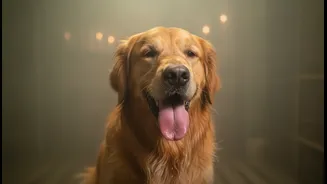
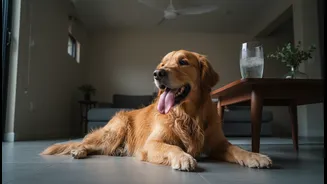
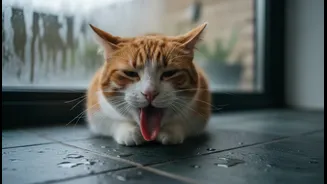
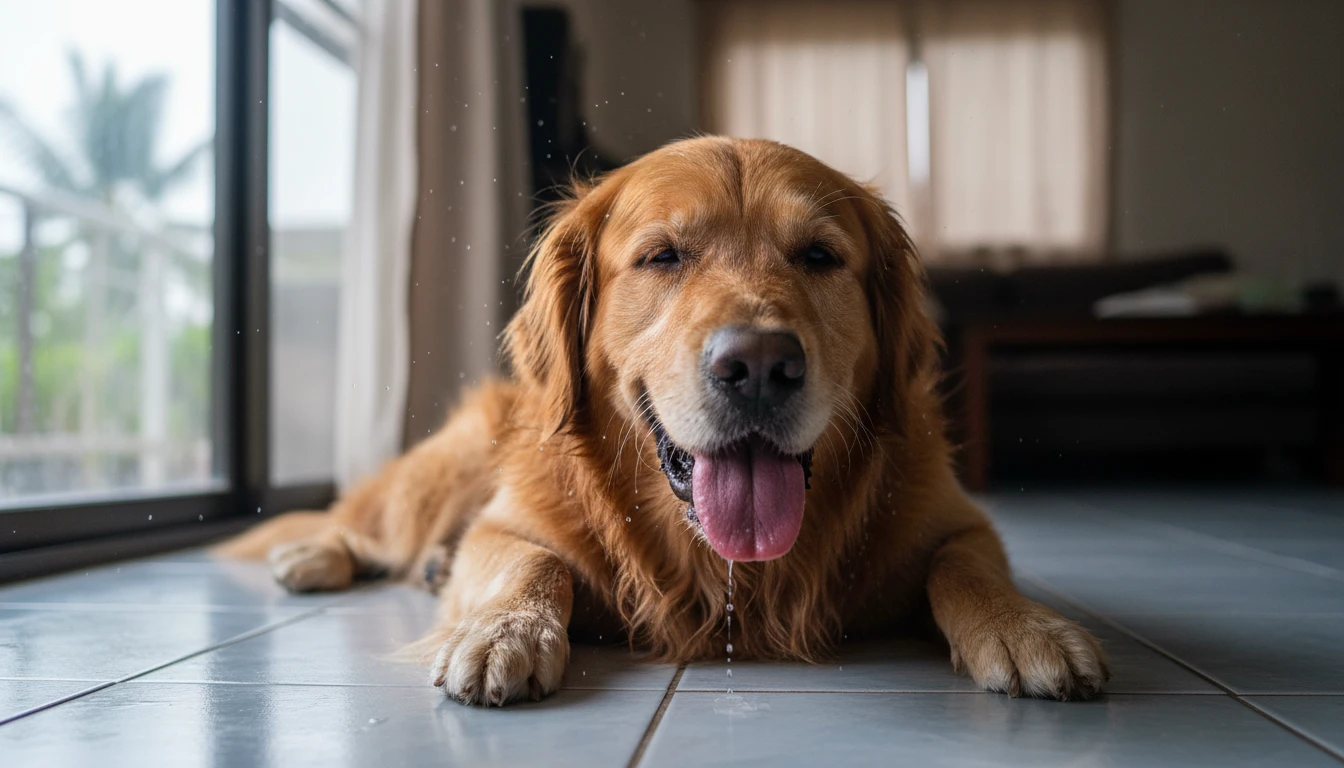
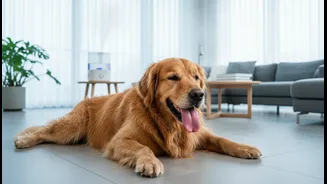
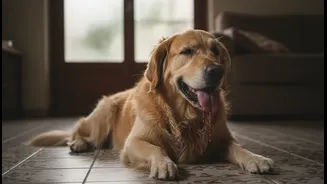
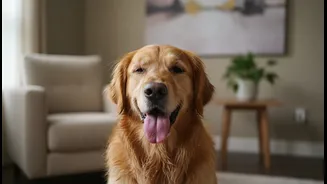
Recognising the early signs of heat distress is crucial for preventing a full-blown emergency. In both dogs and cats, the symptoms can progress quickly. Early signs include excessive and frantic panting, heavy drooling, and restless behaviour, such as constantly seeking cooler surfaces like tiled floors. You might notice their gums becoming bright red. As the situation worsens, your pet may become weak, disoriented, or lethargic. More severe and life-threatening symptoms include stumbling, vomiting or diarrhoea (sometimes with blood), muscle tremors, collapse, and seizures. For cats, unusual signs like panting or excessive grooming can also be red flags.
Cooling Your Home, Protecting Your Pet
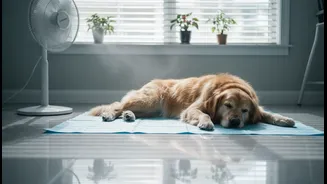
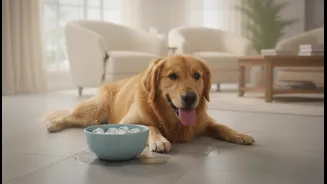
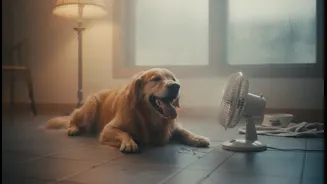
Simple adjustments can transform your home into a safer haven. During the hottest and most humid parts of the day, typically between 10 AM and 4 PM, draw the curtains or blinds to block direct sunlight, which can create a greenhouse effect indoors. Ensure good ventilation by using fans or air conditioning. A well-placed fan can significantly aid in evaporative cooling. Providing access to naturally cool surfaces like marble or ceramic tile floors is a simple but effective measure. Always ensure multiple bowls of fresh, cool water are available throughout the house. You can even add a few ice cubes to the water to keep it cool longer. For a DIY cooling solution, place a frozen bottle of water wrapped in a towel in your pet’s favourite resting spot.
Smart Habits for Humid Weather
Beyond home adjustments, daily routines need to adapt. Restrict walks to the coolest parts of the day, such as early morning (before 8 AM) or late evening (after 6 PM). The pavement can become hot enough to burn your pet's paw pads, so always check it with the back of your hand first. Consider a moisture-rich diet by incorporating wet food, which helps with hydration, especially for pets that don't drink enough water. Regular grooming is also important, especially for long-haired breeds, as matted fur can trap heat. However, avoid shaving them completely, as their coat can provide some protection from the sun. Consulting a groomer for a suitable summer cut is a good idea.
Emergency First Aid for Overheating
If you suspect your pet is suffering from heatstroke, it is a medical emergency that requires immediate action. The primary goal is to cool your pet down safely and quickly. Move them to the coolest, shadiest spot available immediately. Begin pouring cool—not ice-cold—water over their body, focusing on their head, neck, paws, and stomach. Using ice-cold water can be counterproductive as it may cause blood vessels to constrict, trapping heat. Direct a fan towards them to accelerate the cooling process. While you are doing this, have someone call your veterinarian to let them know you are on your way. Even if your pet seems to recover, an urgent vet visit is essential to check for internal organ damage or other complications.