



More Than a Trend, a Tradition Reimagined
In many Indian households, the practice of reusing textiles is a way of life, born from a culture of resourcefulness. Grandmothers turning old sarees into soft quilts (godhadis) or baby clothes is a familiar memory. Today, this tradition has found a glamorous
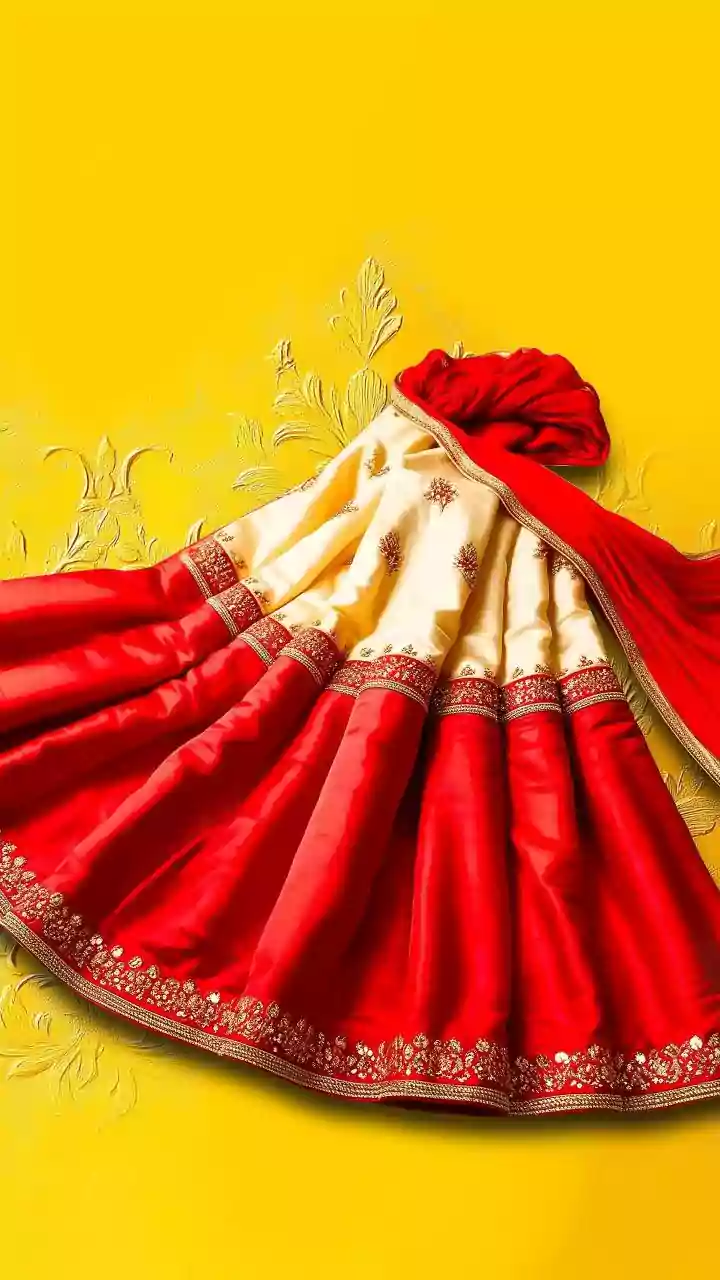
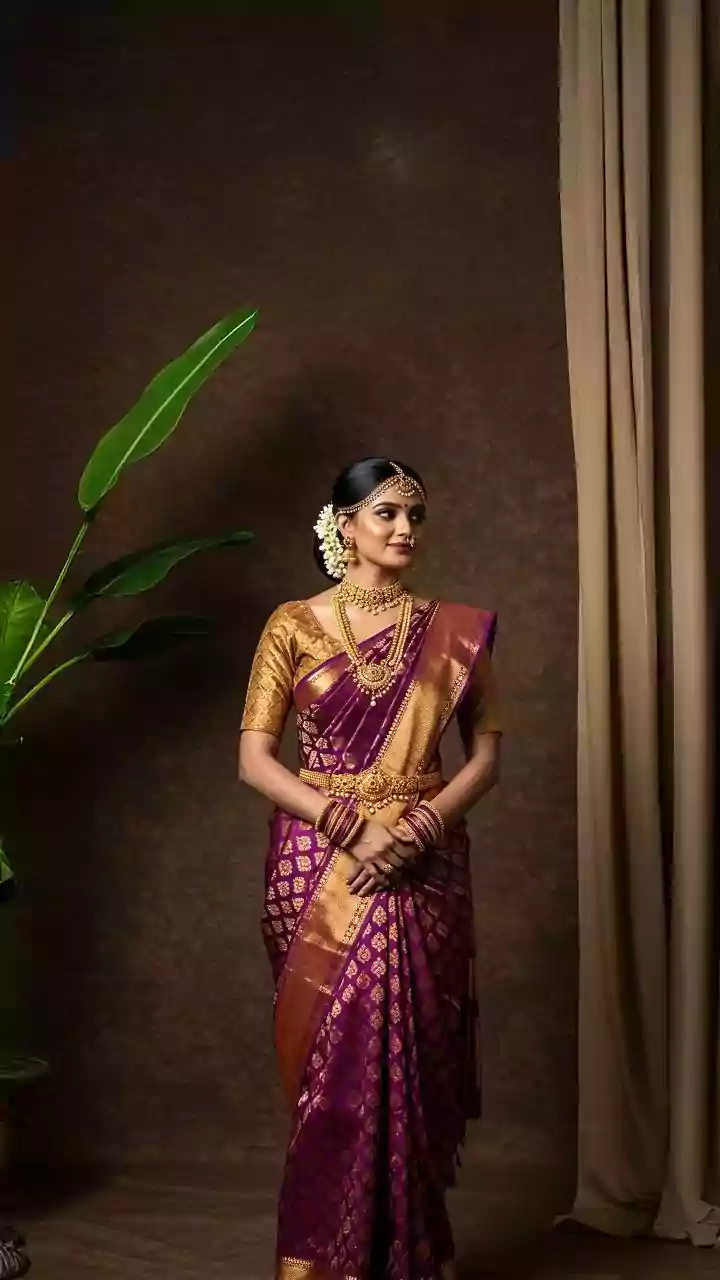
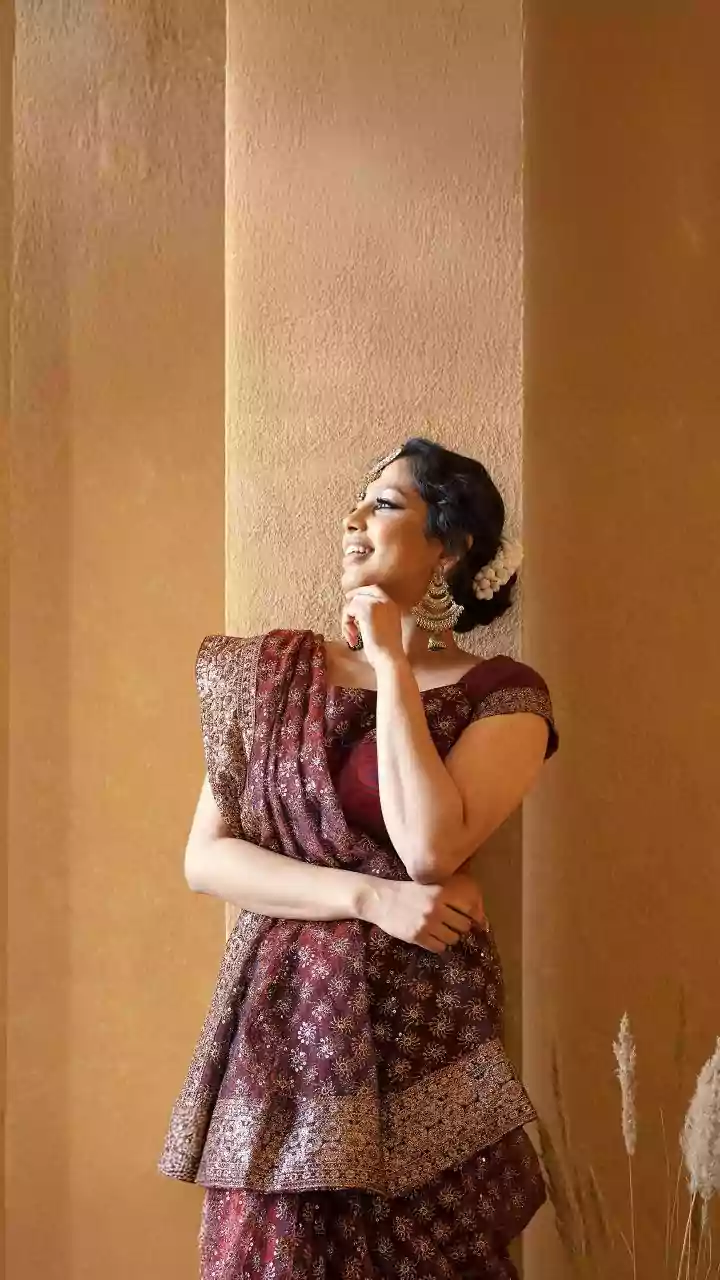
new expression. Gen Z and millennials, driven by a blend of sustainability and a desire for unique self-expression, are looking into their mothers' and grandmothers' wardrobes. They are not just preserving these fabrics; they are reinventing them. The six yards of a Kanjivaram or the intricate weave of a Banarasi are being thoughtfully deconstructed and re-stitched into contemporary co-ord sets, blending heritage with modern aesthetics.
A Stitch of Sustainability and Sentiment
While the global fashion industry grapples with its massive waste problem, this trend offers a deeply personal solution. Upcycling, unlike recycling, honours the integrity of the original material, transforming it into something of higher value. For young Indians, this is not just about environmentalism; it's about emotion. Wearing a co-ord set made from a mother's wedding saree or a grandmother's treasured silk is a way of carrying a piece of family history. It’s a powerful statement that connects their modern identity with their roots, creating a garment that is both sustainable and steeped in sentimental value. This approach gives the fabric a second life and allows personal histories to be worn and celebrated in a new, contemporary context.
The Creative Challenge of Old Silk
Transforming a vintage saree into a structured co-ord set is a masterclass in creativity. Old silk, especially fabrics that have been stored for decades, can be delicate. The process requires a skilled tailor who understands how to handle the fabric's weight, drape, and potential fragility. Designers and DIY enthusiasts often focus on using the most dramatic part of the saree, the pallu, for statement elements like a crop top or jacket, while the rest of the fabric forms the trousers or skirt. The challenge lies in modernising the silhouette—creating sharp, wearable pieces like palazzo pants, structured tops, or flowing skirts—while preserving the essence of the heirloom textile. The result is a one-of-a-kind outfit that no fast-fashion brand can replicate.
From Closet Heirloom to High-Street Chic
The co-ord set itself is the perfect canvas for this trend. Its matching two-piece structure provides a complete, polished look that is incredibly versatile. These upcycled sets are being styled for everything from casual brunches to festive occasions. Paired with sneakers and minimalist jewellery, a silk co-ord set has an effortless, cool vibe. Dressed up with heels and statement accessories, it becomes an elegant evening outfit. A growing number of Indian designers and boutique labels are championing this movement, offering services to transform heirloom fabrics or creating ready-to-wear lines from sourced vintage textiles. They are proving that traditional handlooms and silks are not just for occasion wear but can be seamlessly integrated into a modern, everyday wardrobe.