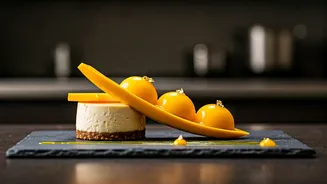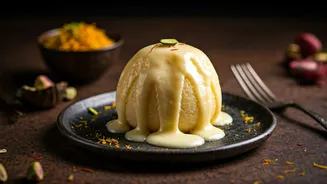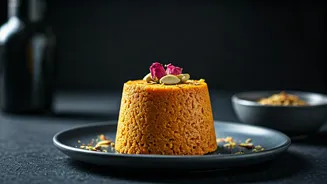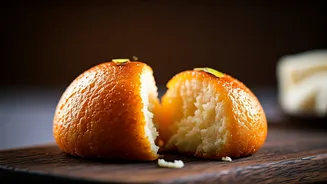




First, What Is Baked Rasgulla?
Before we dive into the 'why', let's cover the 'what'. Baked rasgulla is a modern culinary innovation with its roots in Kolkata, the heartland of the traditional rasgulla. The classic version involves soft, spongy balls of chhena (Indian cottage cheese)
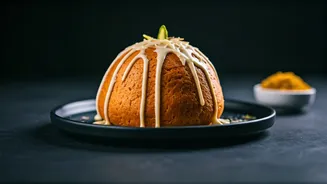
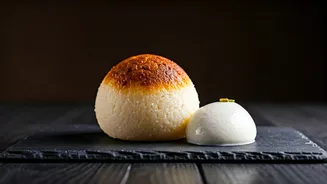
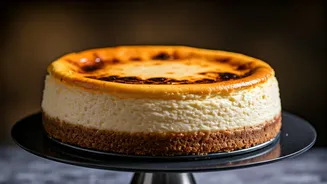
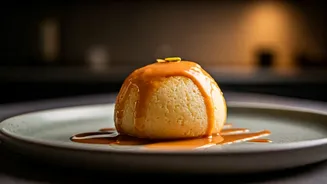
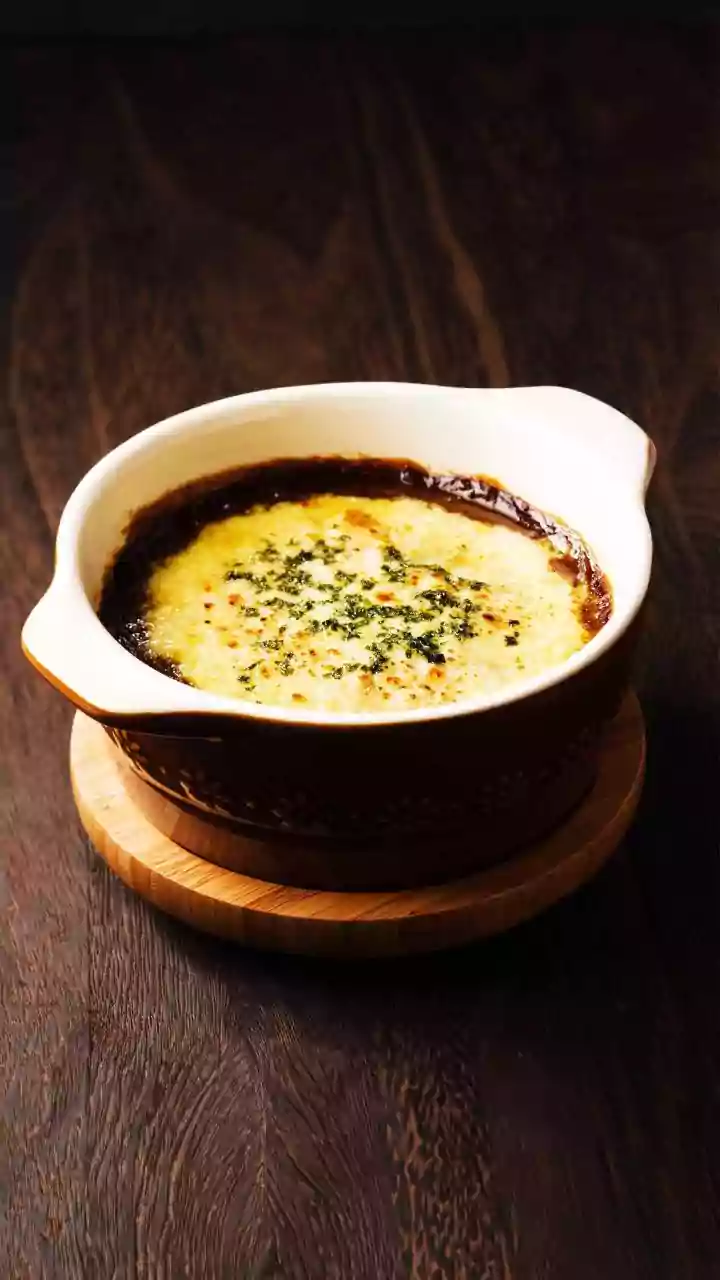
boiled in a light sugar syrup. The baked version, however, takes these spongy delights on a different journey. The rasgullas are first squeezed of their excess syrup and then arranged in a dish. They are then drenched in a rich, thickened milk mixture—often a blend of rabri, condensed milk, mawa (khoya), and sometimes crumbled paneer—before being baked. The process transforms the sweet into something new: the top caramelizes into a beautiful golden-brown crust, while the rasgullas beneath absorb the creamy sauce, becoming incredibly moist and flavourful. It’s a dessert that offers a delightful contrast of textures, from the slightly firm, almost charred top to the soft, melt-in-your-mouth interior.
The Allure of 'Newstalgia'
One of the biggest drivers of Gen Z's food choices is the concept of 'newstalgia'—a craving for the familiar comfort of tradition combined with the thrill of a new experience. Rasgulla is a dessert steeped in nostalgia for many Indians, associated with festivals, family gatherings, and childhood treats. Baked rasgulla doesn't erase that history; it builds on it. It takes a beloved classic and reframes it in a contemporary context, making it feel both comforting and exciting. For a generation that navigates a blend of global and local identities, this dessert is a perfect metaphor. It respects the original while daring to be different, offering a taste of home but in a format that feels fresh and modern.
A Generation That Craves Fusion
Indian Gen Z has grown up in an era where culinary borders are constantly blurring. From paneer tikka pizza to masala pasta, fusion food isn't a novelty; it's a norm. This generation is adventurous, open to experimentation, and actively seeks out unique flavour combinations. The rise of baked rasgulla fits perfectly into this trend. It’s a fusion not of international cuisines, but an intra-cultural one—a traditional sweet prepared using a Western technique (baking). The mention of 'cheese' in the trend often refers to the generous use of milk solids like paneer and khoya in the baking sauce, which enhances the rich, creamy, and slightly savoury notes against the sweetness. This play on sweet and savoury is another hallmark of modern palates, moving beyond one-dimensional sweetness.
Made for the Social Media Age
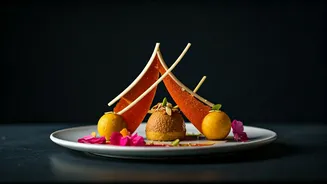
In 2026, if you can't post it, did you even eat it? For Gen Z, the visual appeal of food is almost as important as its taste. A dish needs to be 'gram-worthy', and baked rasgulla certainly is. Served bubbling hot in a ceramic dish, with its beautifully caramelized top and garnished with pistachios and saffron, it’s a feast for the eyes. The 'reveal'—cutting through the baked layer to the soft rasgullas underneath—is a satisfying moment perfect for a short-form video. Food has become a form of content and self-expression, and desserts that offer a unique visual and experiential element, like kunafa or lava cakes, tend to go viral. Baked rasgulla, with its photogenic qualities and comforting-yet-surprising nature, was destined for social media stardom.