



Your Gut's Unique Ecosystem
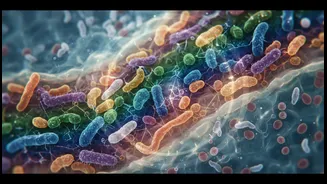
Think of your gut microbiome as a personal, internal garden. It’s a complex ecosystem of trillions of bacteria, fungi, and other microorganisms that live in your digestive tract. For years, we’ve known this garden is crucial for everything from digestion
to immune function and even mood. But how to best tend to it has been a bit of a mystery. We know diet is the key, but the exact links between specific foods and specific microbial changes have been hard to pin down. While genetics plays a part, science is showing that the composition of your gut garden is more powerfully shaped by what you feed it.
A Groundbreaking Scientific Map
Enter the PREDICT 1 study, one of the largest and most detailed nutrition studies ever conducted. Researchers from King's College London, Harvard, and other top institutions analyzed the gut microbiomes of over 1,000 people, tracking their diets and key health markers. Published in the prestigious journal Nature Medicine, their findings were a breakthrough. They identified strong, repeatable connections between diet, gut microbes, and health. The study was able to pinpoint panels of 'good' and 'bad' microbes and link them directly to what participants ate. For the first time, we have clear evidence that our food choices create consistent, predictable patterns in our gut bacteria.
'Good' Bugs vs. 'Bad' Bugs
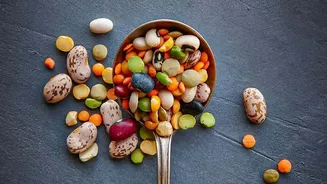
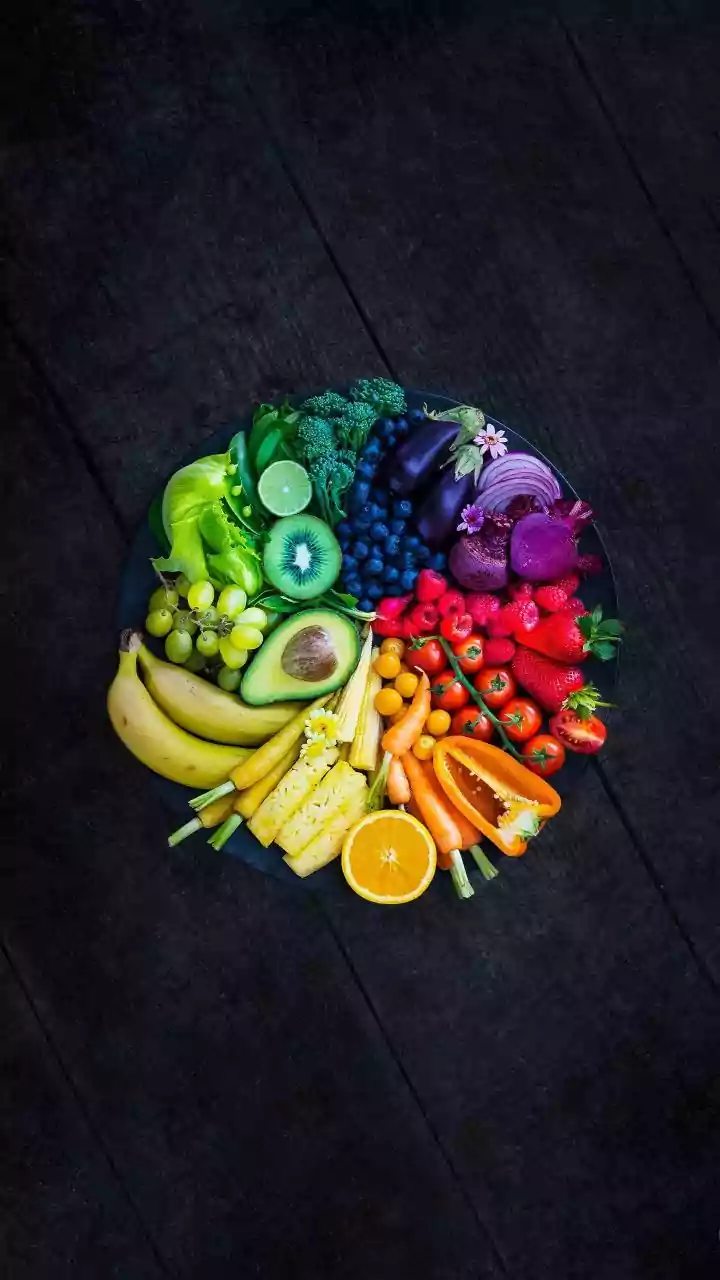
The study identified 15 'good' microbes associated with better health outcomes and 15 'bad' microbes linked to higher risks of conditions like obesity, type 2 diabetes, and heart disease. The 'good' microbes thrive on diverse, plant-rich diets. Think fruits, vegetables, legumes, nuts, and whole grains. Healthy animal products like oily fish and yogurt also encouraged these beneficial bugs. For instance, a microbiome rich in species like Prevotella copri was linked to better blood sugar control after meals. On the flip side, the 'bad' microbes were consistently associated with diets high in ultra-processed foods, added sugars, and unhealthy fats—often called a 'Western diet'. This suggests that it’s not just about eating plants, but the overall quality and variety of your diet that cultivates a healthy gut.
The Power of Variety and Fermentation
So what's the secret to cultivating the good guys? The research points to two key strategies: variety and fermentation. The more diverse your diet, especially in terms of plant-based foods, the more diverse and resilient your microbiome becomes. Each type of fruit, vegetable, or grain feeds different types of beneficial bacteria. Another powerful tool is fermented food. A separate Stanford University study found that a diet rich in foods like yogurt (dahi), kefir, kimchi, and kombucha significantly increased microbiome diversity and lowered markers of inflammation in the body. These foods deliver live microbes directly to your gut, helping to enhance its ecosystem.
The Future is Personalised Nutrition
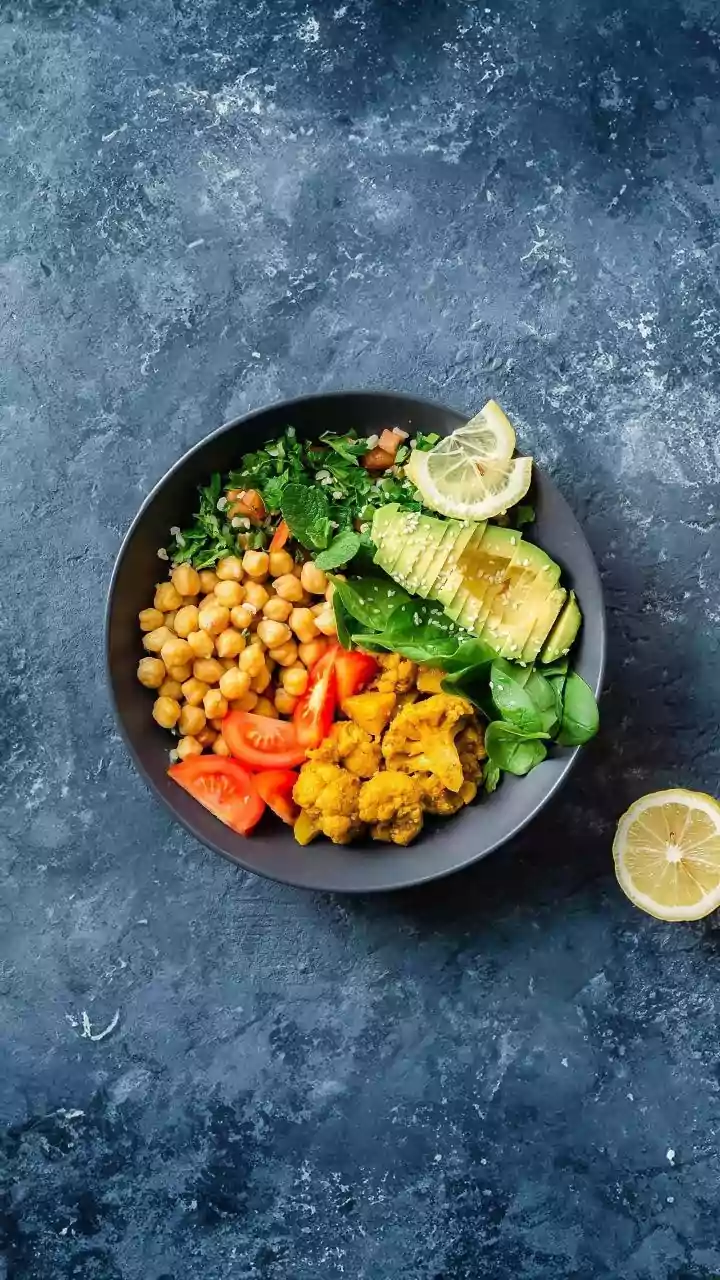
The most exciting implication of this research is the move towards personalised nutrition. The PREDICT study found that even identical twins can have different responses to the same food, largely due to their unique microbiomes. By understanding how your personal gut community responds to different foods, it becomes possible to tailor a diet that is optimised for your health. While we may not all have access to personalised microbiome analysis today, the core message of the study is accessible to everyone. The patterns are clear: a diet rich in a variety of whole, plant-based, and fermented foods consistently fosters a gut environment linked to better health, while a diet heavy in processed items does the opposite.