








Create a Realistic Budget
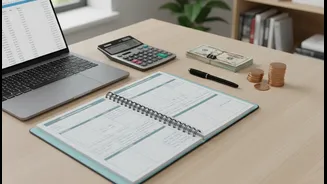
A budget isn't about restriction; it's about clarity and control. Think of it as a roadmap for your money. Start by tracking your income and expenses for a month to see exactly where your money is going. You can use a simple spreadsheet or a budgeting
app. Once you have a clear picture, you can create a plan that aligns with your priorities, like the 50/30/20 rule, which allocates 50% of income to needs, 30% to wants, and 20% to savings. This simple act of awareness can replace uncertainty with confidence, giving you a sense of control that significantly reduces anxiety.
Build Your Emergency Fund
Life is unpredictable, and unexpected expenses are a major source of financial stress. An emergency fund is a financial cushion set aside specifically for these surprises, like a car repair or a medical bill. Having this safety net means you won't have to rely on high-interest credit cards or loans when a crisis hits, preventing you from falling into a cycle of debt. Financial experts typically recommend saving three to six months' worth of essential living expenses. If that sounds daunting, start small with a goal of saving ₹50,000 or even just ₹10,000. Every little bit contributes to your peace of mind.
Automate Your Savings
One of the most effective ways to save consistently is to make it automatic. By setting up a recurring transfer from your salary account to your savings account each payday, you 'pay yourself first' before you're tempted to spend the money. This 'set it and forget it' approach removes the daily decision-making and willpower required to save, turning a good intention into a powerful habit. Automating your finances reduces the mental load and ensures you are constantly making progress toward your goals, which can significantly lower financial anxiety.
Develop a Debt-Reduction Strategy
High-interest debt, especially from credit cards and personal loans, is a primary driver of financial stress. To tackle it effectively, you need a clear plan. Two popular methods are the 'debt snowball' and the 'debt avalanche'. With the snowball method, you focus on paying off your smallest debt first to build momentum and motivation. The avalanche method involves prioritising debts with the highest interest rates to save money over time. Consolidating multiple debts into a single loan with a lower interest rate can also simplify payments and reduce stress.
Review and Reduce Subscriptions
A quick and satisfying way to free up cash is to review your recurring monthly subscriptions. Many people are unaware of how much they spend on streaming services, gym memberships, and various apps they rarely use. Take an hour to go through your bank and credit card statements to identify all your subscriptions. Be ruthless and cancel anything that doesn't provide significant value. Redirecting this saved money toward your emergency fund or debt repayment is a tangible win that can instantly make you feel more in control of your finances.
Talk About Your Finances
Money can be a taboo topic, but struggling in silence often makes financial stress worse. Sharing your worries with a trusted partner, family member, or friend can provide emotional support and new perspectives. Discussing your financial goals openly can also create a sense of accountability and teamwork. If you feel your situation is overwhelming, don't hesitate to seek guidance from a financial advisor or counsellor. Acknowledging that you don't have to handle it all alone is a powerful step toward financial wellness.