



1. Misinterpreting Weather Alerts
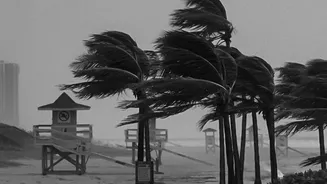
Simply glancing at a forecast isn't enough. Many travellers either ignore or misunderstand the colour-coded alerts issued by the India Meteorological Department (IMD). A 'Yellow' alert means you should be aware and stay updated, as conditions could worsen.
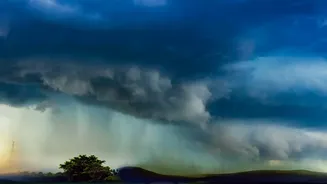
An 'Orange' alert signals a high likelihood of heavy rain and disruptions like waterlogging and traffic delays; you should be prepared to alter plans. A 'Red' alert is the most serious, warning of extremely heavy rain with a high risk of flooding and damage, where non-essential travel should be avoided. Treating all rain warnings the same can lead to getting stranded or venturing into risky situations. Before you travel, understand what each colour means and check for specific warnings for your route and destination.
2. Trusting Navigation Apps Blindly
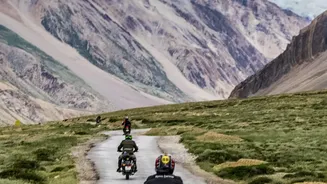
While navigation apps are essential, they can be dangerously unreliable during the monsoon, especially in hilly or rural areas. Google Maps won't always know about a sudden landslide, a freshly waterlogged underpass, or a bridge that's been temporarily closed. These apps often suggest shortcuts that may be unpaved or treacherous in heavy rain. The most critical mistake is not cross-referencing this digital advice with local, human intelligence. Always ask your hotel staff, driver, or local shopkeepers about the current road conditions before heading out. They will have the most up-to-date information on which routes are safe and which to avoid, particularly on ghat roads.
3. Making Rigid Bookings
Monsoon travel demands flexibility. Landslides can block roads, flights can be delayed for hours, and local flooding might make your destination inaccessible. A common error is booking non-refundable flights and hotels to save a little money, only to lose the entire amount when plans are disrupted by weather. Opt for 'free cancellation' or 'flexi-fare' options, even if they cost slightly more. It’s crucial to read the fine print; 'free cancellation' often has a deadline. Travel insurance that specifically covers cancellations and delays due to severe weather can also be a financial lifesaver.
4. Packing the Wrong Clothes and Gear
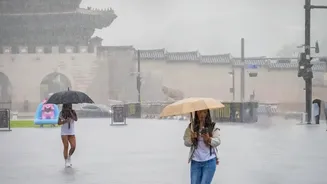
Thinking a simple umbrella will suffice is a classic blunder. Monsoon winds can easily destroy one. A lightweight, waterproof rain jacket or poncho is far more reliable. Another mistake is packing heavy fabrics like jeans and cotton, which take forever to dry in humid conditions and can start to smell. Instead, opt for synthetic, quick-dry clothing. Your footwear is also critical; leather shoes will be ruined, and slippery sneakers are a hazard. Choose waterproof sandals or floaters with a good grip. Finally, don't forget waterproof bags or pouches to protect your electronics, documents, and medicines from the pervasive dampness.
5. Underestimating Health and Hygiene Risks
The rainy season is a breeding ground for germs. One of the biggest mistakes is consuming street food or water from unverified sources. The high humidity and moisture can lead to rapid bacterial growth, increasing the risk of water-borne diseases like cholera and typhoid, as well as stomach infections. It's essential to drink only bottled or purified water and stick to freshly cooked meals. Mosquitoes are also rampant, carrying diseases like dengue and malaria, so using a good repellent and wearing full-sleeved clothing is a must. Walking through stagnant water can also lead to fungal infections and other diseases like leptospirosis.
6. Driving Recklessly on Wet Roads
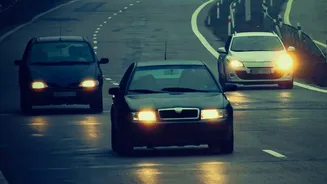
Road conditions change dramatically in the rain. A frequent and dangerous mistake is driving at normal speeds. Wet roads reduce tyre grip, increasing braking distance and the risk of hydroplaning. It is vital to reduce your speed, maintain a greater distance from the vehicle ahead, and use low-beam headlights for visibility. Never drive through waterlogged streets if you cannot judge the depth, as it can stall your vehicle and cause severe engine damage. In hilly areas, the risks multiply with the threat of landslides and falling rocks. Avoid driving on ghat roads after dark and use lower gears on steep descents.
7. Chasing Waterfalls and Ignoring Local Advice
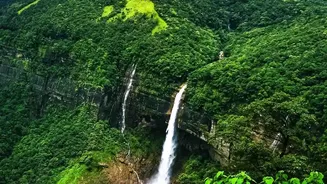
Monsoon waterfalls are a spectacular sight, but they can also be deadly. A common error is getting too close to swollen rivers or attempting to cross streams that can turn into raging torrents in minutes due to a sudden downpour upstream. Many tourist spots have restrictions for a reason. Ignoring warning signs or the advice of local guides who urge you to keep a safe distance is a gamble. Their knowledge is based on years of observing how quickly conditions can change. Always prioritize safety over the perfect photo, especially in areas known for flash floods.