



From 'Toned' to Truly Strong
There’s a quiet revolution happening in gyms, workout apps, and social media feeds. Young women are increasingly trading hours of endless cardio for the structured challenge of lifting weights, using resistance bands, and prioritising strength. This isn't
just a fleeting trend; it's a fundamental rethinking of what it means to be fit. The goal is no longer simply to be 'toned'—a term often used as a stand-in for 'thin but with some definition'—but to be genuinely strong and capable. This shift represents a move away from purely aesthetic goals dictated by external pressures and toward a more holistic, empowering approach centered on performance, function, and what the body can do rather than just how it looks.
The Science of Muscle Health
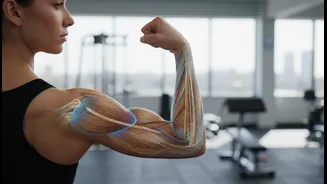
So, what exactly is 'muscle health,' and why is it so important? It goes far beyond the appearance of biceps. Muscle tissue is one of the most metabolically active parts of the body, meaning it burns calories even at rest. Building and maintaining muscle mass boosts your metabolism, which helps with long-term weight management. More importantly, strong muscles are intrinsically linked to strong bones. Strength training places productive stress on your bones, signaling them to become denser and more resilient, which is a crucial defense against osteoporosis later in life—a condition that disproportionately affects women. Ultimately, investing in muscle health is an investment in your future self, reducing the risk of falls and injury while preserving mobility and independence as you age.
Why the Shift is Happening Now
Several cultural currents are feeding this movement. A growing rejection of restrictive diet culture has led many to seek a healthier relationship with their bodies, one based on nourishment and strength rather than deprivation. Social media has played a dual role; while it can promote unrealistic body standards, it has also provided a platform for female athletes and fitness experts to demystify strength training and showcase powerful, muscular physiques as something to aspire to. The narrative is changing from 'lifting makes you bulky' to 'lifting makes you powerful'. Furthermore, there is a rising interest in healthspan and longevity. Information about how muscle mass declines with age—a process called sarcopenia—has become more mainstream. Young women are realising that building a strong foundation now is the key to a healthier, more active life for decades to come.
What 'Building Muscle' Looks Like
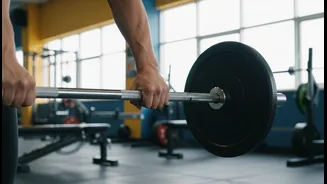
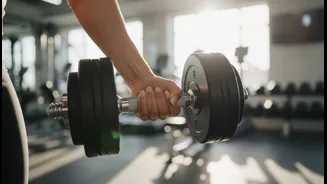
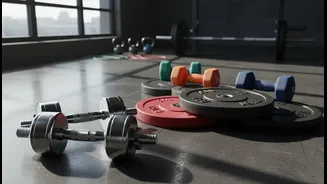
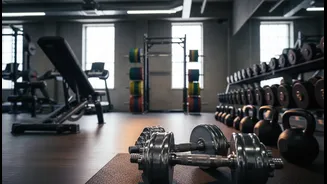
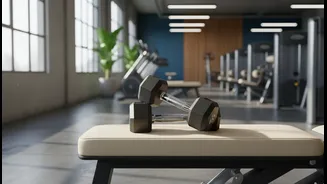
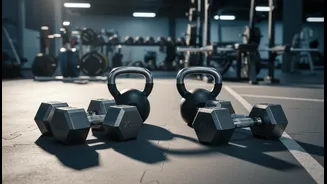
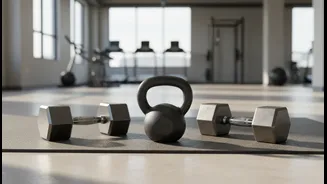
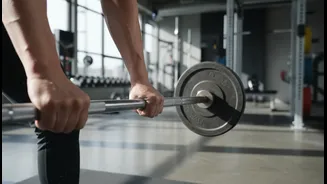
The fear of becoming 'bulky' has long deterred women from the weights section, but that misconception is finally fading. Hormonal differences mean that most women won't build large amounts of muscle mass without extremely specific and intense training; instead, they build strength, density, and what many describe as a 'toned' look. Getting started doesn't necessarily require a heavy barbell. Strength training can take many forms, from using dumbbells and kettlebells to weight machines, resistance bands, and even just your own body weight through exercises like push-ups, squats, and planks. Experts recommend starting slowly, focusing on proper form, and gradually increasing the challenge—a concept known as progressive overload. Finding an activity you enjoy is key to consistency, which is the true driver of results.
An Investment in a Longer, Healthier Future
The focus on muscle health is more than a fitness trend; it's a form of future-proofing. Studies consistently show a strong link between muscle strength and longevity, particularly for women. Greater muscle strength is associated with a lower risk of all-cause mortality, even independent of aerobic activity levels. It also improves insulin sensitivity, reducing the risk of type 2 diabetes, and supports cardiovascular health. Beyond the physical, the mental benefits are profound. The process of getting stronger builds confidence, resilience, and a sense of accomplishment that carries over into all aspects of life. By focusing on what their bodies can achieve, many young women are building not just stronger muscles, but a more positive and empowered sense of self.