




The End of the Endless Party
Think of a typical milestone celebration: a bachelor or bachelorette party, a big anniversary, or even a pre-wedding bash. The script is familiar—loud music, late nights, and a dizzying schedule of social obligations. It’s fun, but it can also be exhausting,
expensive, and surprisingly impersonal. Now, a different kind of celebration is taking root. Instead of booking a club, couples are booking retreats. Instead of planning a multi-day party, they are planning itineraries filled with yoga, meditation, and Ayurvedic treatments. This isn’t an anti-social movement; it’s a pro-connection one. Couples are consciously deciding that the best way to honour their relationship is not by hosting a large-scale event for others, but by investing in a shared experience that nurtures their own well-being.
Burnout, Digital Noise, and the Search for Meaning
What’s driving this trend? The answer lies in the rhythms of modern life. We live in a state of perpetual digital connection and professional demand, leading to widespread burnout. The constant pressure to perform—both online and offline—has left many craving authenticity and peace. For couples, a traditional party can feel like another performance. A wellness retreat, by contrast, offers a sanctuary. It’s a designated space to disconnect from devices, deadlines, and social expectations, and reconnect with each other on a deeper level. The pandemic accelerated this shift, forcing a global re-evaluation of priorities. Health, both mental and physical, moved to the forefront, and people began seeking experiences that offered genuine restoration over fleeting distraction.
What Happens at a Holistic Retreat?
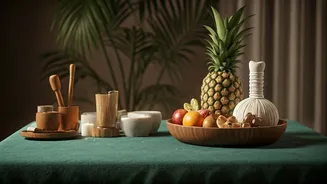
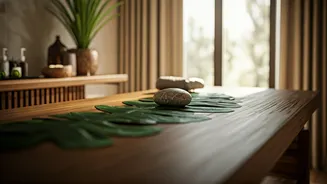
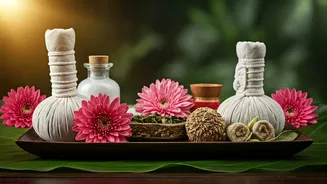
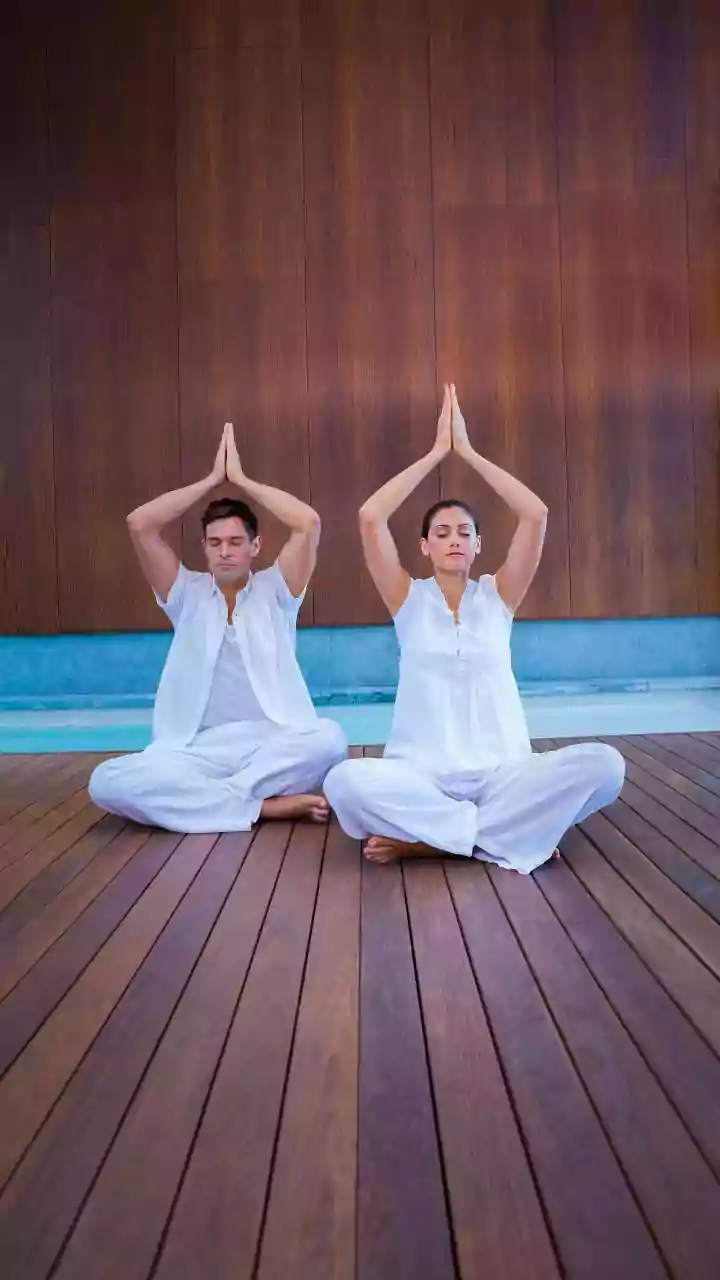
Swapping a party for a retreat isn't about sitting in silence for a week. These experiences are structured, immersive, and designed for couples. A typical itinerary might start with sunrise yoga or a guided nature walk. Days are often built around personalised wellness plans, which can include Ayurvedic consultations to determine one's 'dosha' or body type, followed by specific treatments like 'abhyanga' (a synchronised oil massage) or 'shirodhara' (a continuous stream of warm oil on the forehead). Couples can participate in workshops on mindful eating, learn breathwork techniques to manage stress, or join guided meditation sessions. The food itself is part of the therapy—wholesome, organic, and designed to detoxify the body. Destinations like Kerala, Rishikesh, and the Himalayan foothills have become epicentres for this kind of travel, offering world-class facilities rooted in ancient Indian wisdom.
Investing in the Relationship Itself
A key distinction between a wellness retreat and a regular holiday is the focus on shared growth. While a beach vacation is about relaxation, a holistic retreat is about transformation. Couples aren't just getting massages; they are learning new, healthier ways of being—both as individuals and as a pair. Communication often flourishes in an environment free from daily stressors. The shared vulnerability of trying a new yoga pose or discussing a guided meditation can build intimacy in ways a crowded party cannot. These retreats equip couples with tools they can take back to their daily lives: stress management techniques, healthier dietary habits, and a renewed sense of shared purpose. It’s an investment in the long-term health of the relationship, not just a celebration of a single moment.