



The Quiet Green Revolution
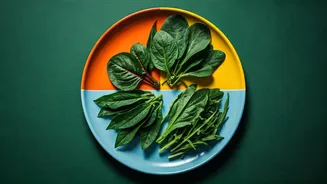
For years, urban Indian kitchens flirted with exotic superfoods like kale, quinoa, and avocado. While these have their merits, a quieter, more profound revolution is taking place. Families are turning their attention back to the humble, nutrient-dense
greens that have grown on Indian soil for centuries. This shift isn't just about nostalgia; it's a conscious choice driven by a desire for better health, a connection to culinary heritage, and an appreciation for local, seasonal produce. Nutritionists, chefs, and home cooks are championing these indigenous vegetables, reminding us that world-class nutrition is often found right in our neighbourhood markets, not in expensive imported packages.
Moringa (Shevga): The Miracle Leaf
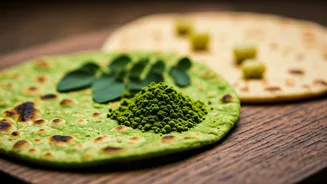
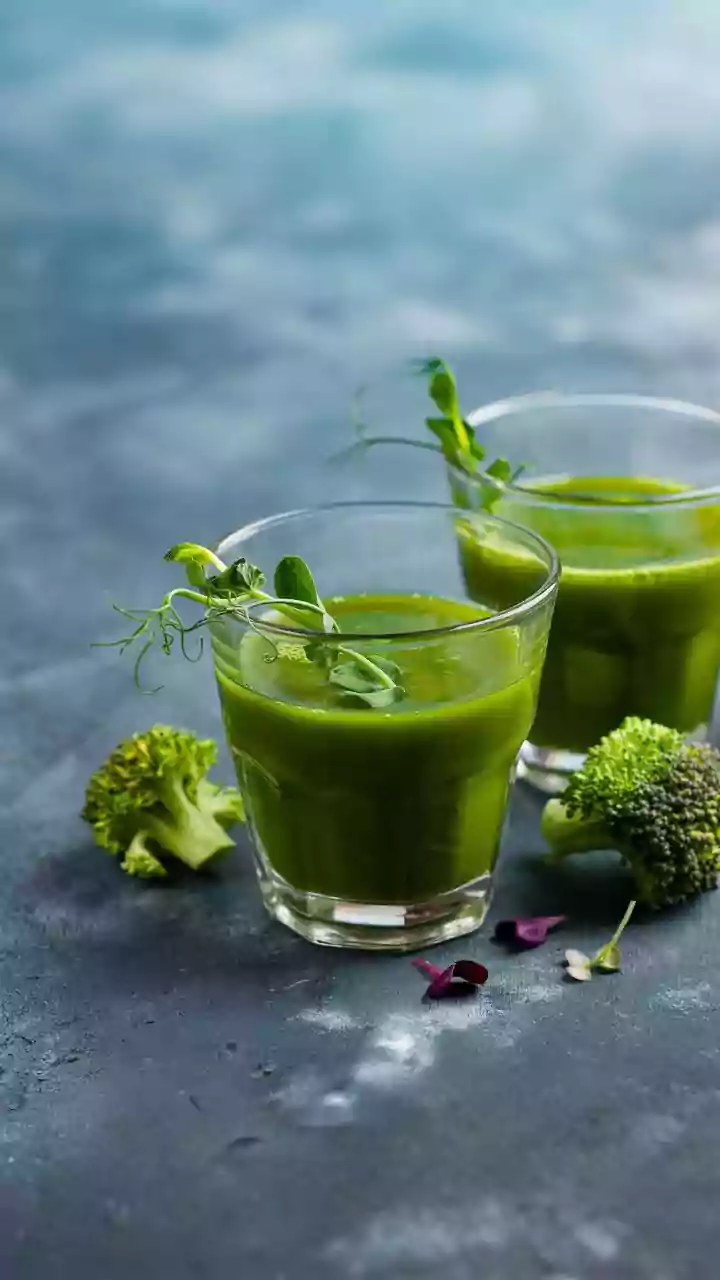
Often called the 'drumstick tree', every part of the moringa plant is useful, but its leaves are a true nutritional powerhouse. Packed with vitamins A, C, and E, as well as calcium, potassium, and protein, moringa leaves have powerful anti-inflammatory and antioxidant properties. Their slightly bitter, earthy flavour lends itself beautifully to dals, curries, and stir-fries. A simple and popular preparation involves sautéing the leaves with garlic, onions, and a sprinkle of grated coconut. You can also blend fresh leaves into smoothies or dry them to make a powder for a daily nutrient boost.
Amaranth Leaves (Chaulai/Thotakura): The Ancient Grain's Sibling
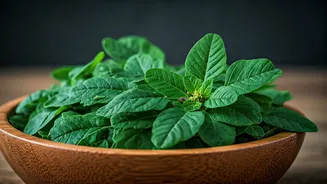
While amaranth seeds gained fame as a 'super-grain', its leaves (known as chaulai in the north and thotakura in the south) have been a staple in Indian diets for generations. These tender leaves are incredibly rich in iron, vitamin A, and vitamin C. They are also a great source of plant-based protein and dietary fibre. Amaranth leaves cook quickly and have a delicate, slightly sweet taste. They can be used to make simple saags, added to lentil dishes, or stir-fried with spices. A classic dish is a simple bhaji made with chopped leaves, mustard seeds, and turmeric.
Colocasia Leaves (Arbi ke Patte): The Versatile Wrapper
Known for their large, heart-shaped appearance, colocasia leaves are the star of many regional delicacies like the Gujarati patra and the Maharashtrian alu vadi. These leaves are a good source of vitamins A and C and contain significant amounts of dietary fibre. It's crucial to cook them properly to break down the calcium oxalate crystals, which can cause irritation if eaten raw. Once cooked, their unique texture and ability to absorb flavours make them a culinary delight. They are most famously used as wrappers for a spiced gram flour paste, which is then steamed, and either fried or tempered.
Purslane (Kulfa/Luni Bhaji): The Garden Weed Wonder
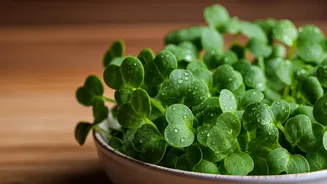
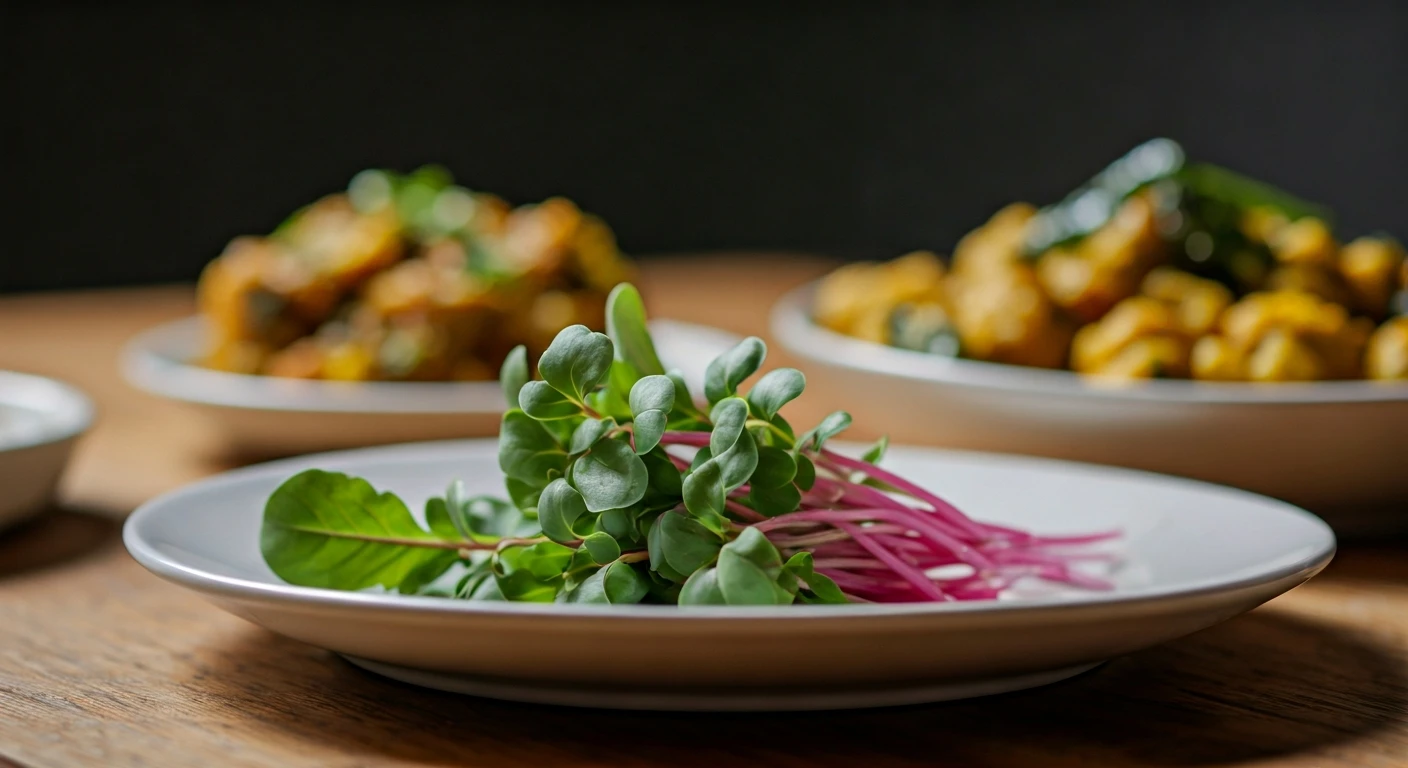
Often dismissed as a common weed, purslane is actually a highly nutritious succulent. It is one of the richest plant-based sources of omega-3 fatty acids, which are vital for brain and heart health. It's also loaded with vitamins and antioxidants. With its slightly sour and salty taste, kulfa is incredibly versatile. The crunchy stems and soft leaves can be eaten raw in salads, blended into raita, or cooked into a delicious saag or dal. Its tangy flavour profile adds a refreshing kick to any dish it’s a part of.
Gongura (Sorrel Leaves): The Tangy Staple
A beloved ingredient in Andhra and Telangana cuisine, gongura, or sorrel leaves, are famous for their distinctly sour taste. This tanginess comes from a high concentration of oxalic acid. Gongura is a fantastic source of iron, folic acid, and vitamins. The most iconic dish made from these leaves is Gongura Pachadi, a fiery and tangy chutney that is a staple in Telugu households. The leaves are also used to add a souring note to mutton and chicken curries, providing a unique flavour that is hard to replicate with any other ingredient.