




The Monsoon Makeover
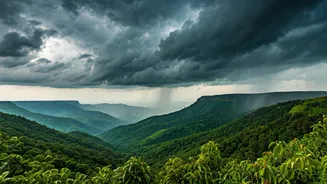
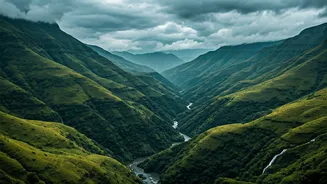
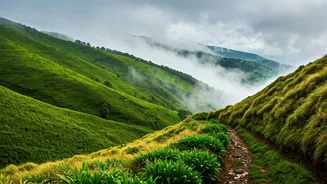
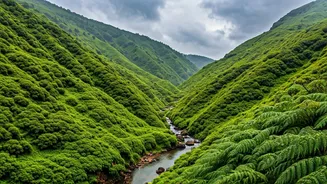
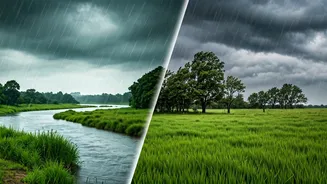
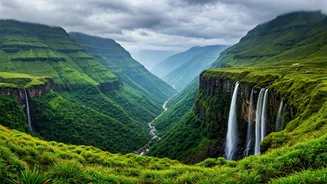
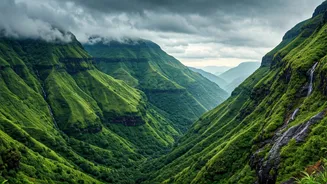
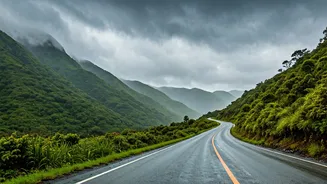
From June to September, the Western Ghats undergo a dramatic transformation. The parched earth gives way to vibrant green carpets, and dormant waterfalls burst into majestic life. Destinations across Maharashtra, Goa, Karnataka, Kerala, and Tamil Nadu
become magnets for tourists seeking to witness this natural spectacle. The air, thick with the smell of wet earth, and the cool, misty weather provide a much-needed respite from the city heat, drawing large numbers of trekkers and tourists to forts and scenic spots. The experience is often described as magical, with cloud-kissed hills and gushing streams creating unforgettable memories.
The Perils Beneath the Beauty
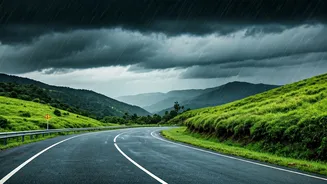
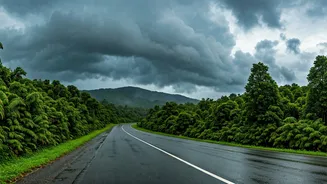
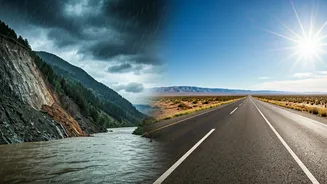
While the monsoon enhances the beauty of the Ghats, it also introduces significant dangers. The same rains that create lush landscapes also saturate the soil, leading to a heightened risk of landslides. A minor landslide was recently reported in Malshej Ghat, a vital link between Thane and Pune districts, following heavy rains. The India Meteorological Department (IMD) frequently issues alerts for heavy rainfall in the region, which can trigger sudden roadblocks and make ghat roads treacherous. Tourists are often advised to reconsider travel to high-risk hill stations like Coorg, Lonavala, and Wayanad during red or orange alerts.
Trekking: A High-Stakes Adventure
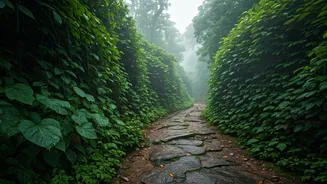
Monsoon trekking is a popular activity, but it requires careful planning. The primary dangers aren't just slippery paths but flash floods in narrow gullies, swollen streams that become uncrossable, and slick, near-vertical rock patches that offer no grip. Experts advise that poor route selection is often more dangerous than the rain itself. High-risk trails to avoid during peak monsoon include those with steep, technical climbs or those that pass through narrow channels prone to flash floods. Conversely, gradual fort trails with wide paths are generally considered safer options. Several trekking accidents occur each year because visitors underestimate these risks.
The Allure and Danger of Waterfalls
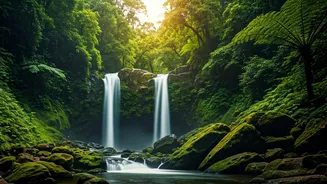
Waterfalls are at their most spectacular during the monsoon but are also extremely hazardous. The powerful currents at the base of a waterfall, known as hydraulics, can easily trap even strong swimmers underwater. Standing directly beneath a powerful cascade or entering fast-flowing streams are common mistakes that can be fatal. Several drowning incidents are reported every year at waterfalls, especially when they are in full flow during the rainy season. Authorities sometimes restrict access to popular waterfalls like Devkund as a precautionary measure to prevent accidents.
Your Monsoon Safety Checklist
To ensure your trip is memorable for the right reasons, preparation is key. Always check the latest weather forecasts from the IMD before and during your trip. Inform family or friends of your detailed itinerary, especially if you are trekking. Invest in proper gear, including waterproof hiking boots with good grip, quick-drying clothes, and a reliable rain jacket. For trekkers, a walking pole can provide crucial stability on slippery trails. Avoid venturing into unfamiliar areas without a local guide, and never underestimate the power of flowing water. Always carry a first-aid kit, a torch, a fully charged phone, and a power bank.