


The Salt-Powered Solution
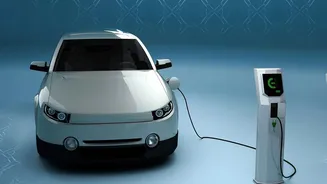
At the heart of the electric vehicle cost challenge is the battery, which can account for up to 60% of the vehicle's price. For years, lithium-ion has been the undisputed king of EV batteries. But lithium is a scarce resource, often called 'white gold',
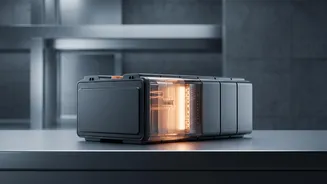
with a volatile and geopolitically sensitive supply chain. India imports the vast majority of its lithium-ion cells, primarily from China, creating significant economic and strategic vulnerabilities. Enter the sodium-ion battery. As the name suggests, this technology uses sodium ions as its charge carriers. The key ingredient, sodium, is the sixth most abundant element on Earth and can be sourced from common salt. This incredible abundance is its superpower, making the raw materials drastically cheaper and more sustainable to acquire than lithium.
An 'Aatmanirbhar' Advantage
The promise of sodium-ion technology aligns perfectly with India's 'Aatmanirbhar Bharat' (self-reliant India) mission. By developing a domestic ecosystem for sodium-ion batteries, India can significantly reduce its dependence on imported cells and raw materials. Several Indian companies and research institutions are already making significant strides. Industrial giants like Reliance Industries, which acquired UK-based sodium-ion specialist Faradion, and tech firms like KPIT Technologies are leading the charge. Research bodies including the Indian Institutes of Technology (IITs) are also developing innovative materials, such as creating anodes from agricultural waste like sugarcane bagasse. This push is supported by government initiatives like the Production Linked Incentive (PLI) scheme for Advanced Chemistry Cells, which is technology-neutral and can benefit sodium-ion manufacturers.
Performance vs. Price: Understanding the Trade-Offs
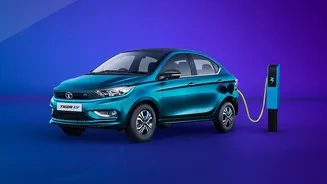
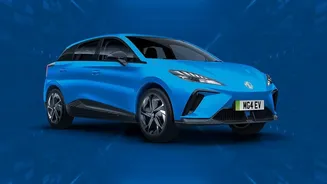
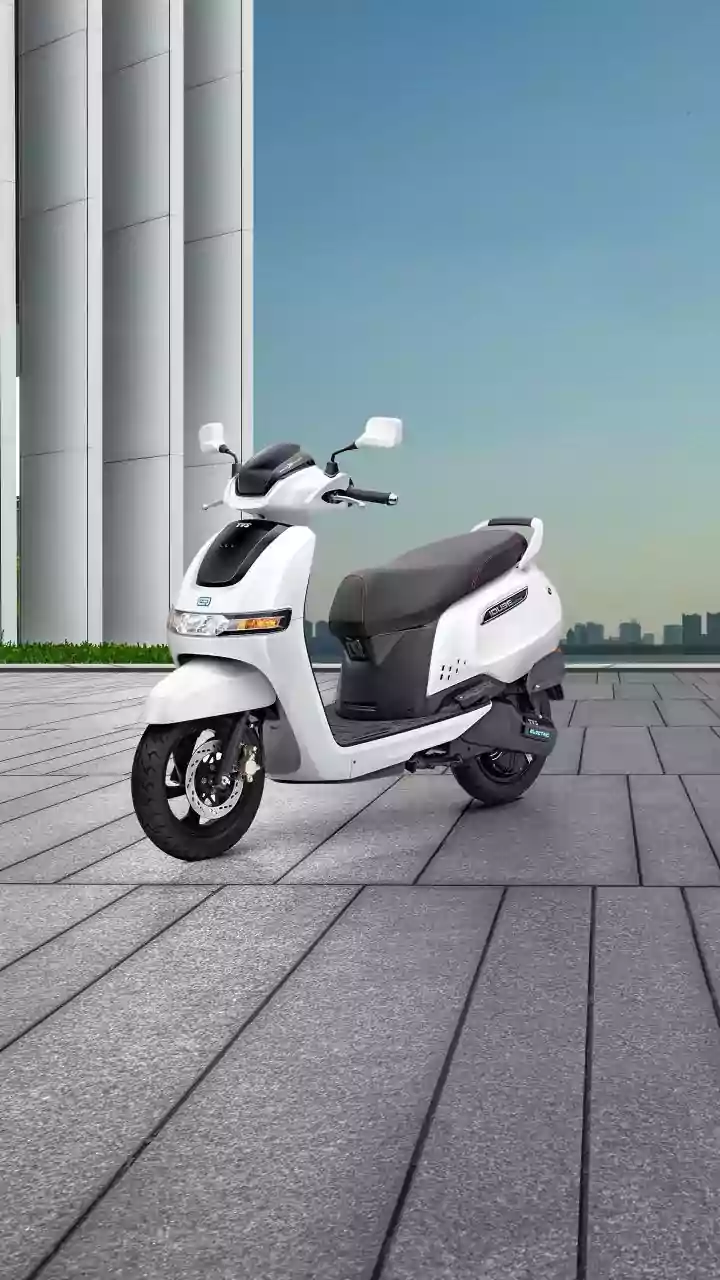
While sodium-ion batteries offer a compelling cost advantage—estimated to be 15-30% cheaper than their lithium-ion counterparts—they do come with trade-offs. The most significant is lower energy density. In simple terms, a sodium-ion battery of the same weight stores less energy than a lithium-ion one, which translates to a shorter range for the EV. This makes them less ideal for long-range premium cars. However, their characteristics are perfectly suited for a massive segment of the Indian market: electric two-wheelers, three-wheelers, and affordable, short-range passenger cars used for urban commuting. Furthermore, sodium-ion batteries have some distinct advantages, including better thermal stability, making them safer and more effective in India's extreme climates. They can also be fully discharged to zero volts for transport without degradation, unlike lithium-ion packs.
The Road to Mass Adoption in India
The question on everyone's mind is: when will these batteries be in our EVs? While the technology is maturing rapidly, mass-market adoption won't happen overnight. According to government officials, with Indian researchers reaching advanced stages (Technology Readiness Level 7), a move from pilot projects to commercial production could happen within the next two to three years. The initial rollout is expected between 2026 and 2028, primarily in two-wheelers, three-wheelers, and stationary energy storage for power grids. As manufacturing scales up, the cost benefits will become more pronounced, paving the way for their integration into budget-friendly passenger cars. This phased approach will help build a robust domestic supply chain and make the technology more competitive. The Indian sodium-ion battery market is projected to grow significantly, reaching an estimated USD 2.9 billion by 2031.