



The Expressway Revolution Changes Everything
For years, road trips in India were an adventure in themselves, often involving unpredictable roads and long hours. But a nationwide infrastructure boom, including ambitious projects like the Bharatmala Pariyojana, has fundamentally changed the equation.
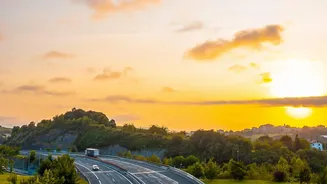
World-class expressways are drastically cutting travel times between major cities and once-distant locations. Journeys that previously took six to eight hours are now comfortably completed in three or four. The Delhi-Dehradun Expressway, for instance, has cut the travel time to the hills of Uttarakhand to just 2.5 hours, making a spontaneous mountain getaway a reality. Similarly, the Delhi-Mumbai Expressway and Ganga Expressway are not just connecting metros; they are opening up the entire corridor in between. This isn't just about speed; it's about making the drive itself a smooth, safe, and enjoyable part of the vacation.
Putting Hidden Gems on the Map
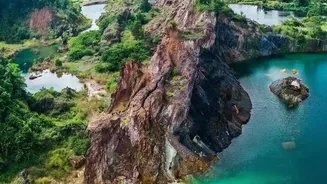
The single biggest beneficiary of this new connectivity is the small, overlooked town. Previously, destinations like Goa, Manali, or Jaipur dominated the weekend travel circuit. Now, travellers are looking for more authentic and less crowded experiences. Improved highways have made a new tier of destinations accessible, from the lakeside serenity of Bhandardara near Mumbai to the coffee-scented hills of Sakleshpur near Bengaluru. These towns, rich in culture, nature, and unique local food, were often just a bit too far or difficult to reach for a quick two-day trip. With travel times halved, city dwellers can pack their bags on a Friday evening and find themselves in a completely different environment by nightfall, creating a surge in quick getaways.
A New Generation of Road Trippers
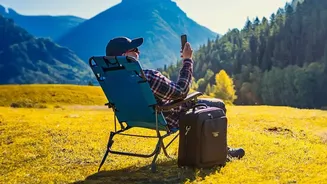
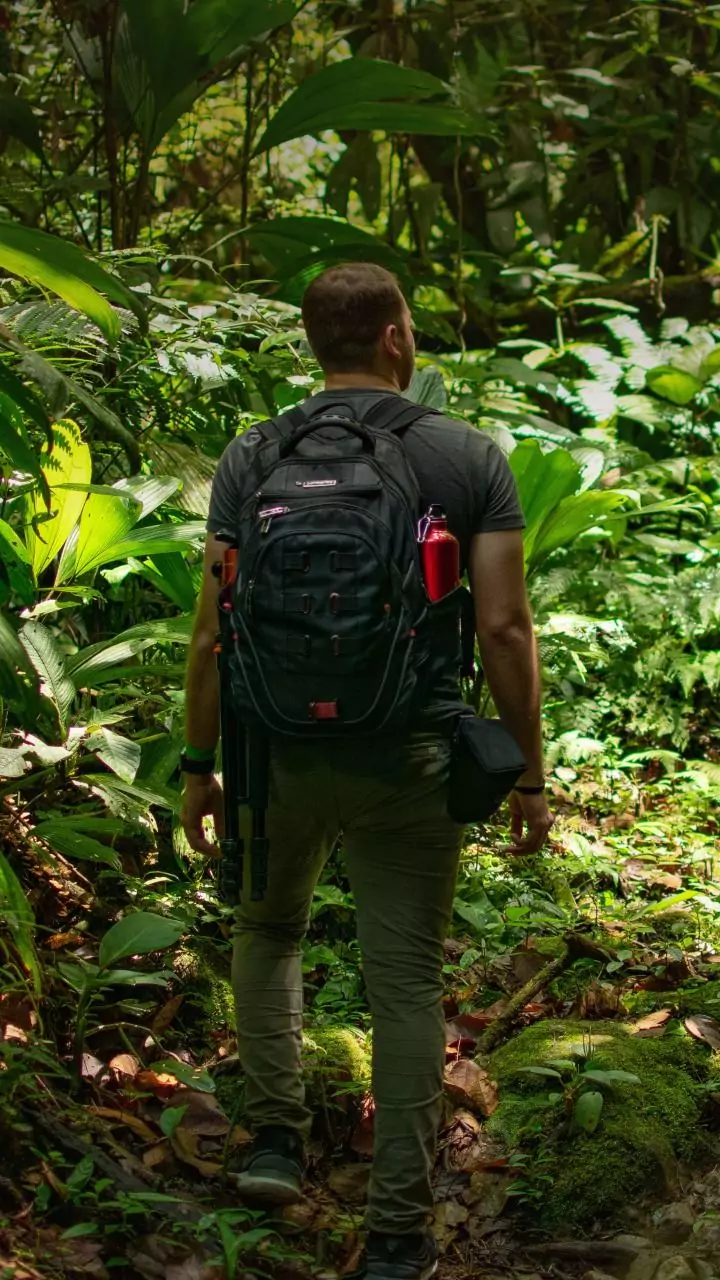
The trend is also being fuelled by a cultural shift, especially among younger travellers. Gen Z, in particular, values freedom, spontaneity, and offbeat locations over conventional tourist packages. The flexibility of a road trip perfectly aligns with this mindset. The rise of remote work has also introduced the 'workation' trend, where people blend leisure with work, often from a quiet homestay in a scenic town. Reports show a significant jump in short trips lasting under two days, pointing directly to the growing popularity of weekend escapes. This new generation of travellers is armed with digital navigation and a desire for authentic experiences, and better roads are the final piece of the puzzle that makes it all possible.
An Economic Lifeline for Local Communities
This influx of visitors is creating a sustainable economic boom for small towns. The arrival of road trippers supports a whole ecosystem of local businesses. Homestays, once a niche option, are thriving as travellers seek authentic local living. Cafes, local artisans, and tour guides are finding new customers, injecting vital revenue into the local economy. This helps create jobs and encourages the preservation of local culture and crafts, as tourists are often keen to buy authentic, locally-made products. It's a win-win situation: travellers get a unique and meaningful experience, and the host communities benefit from a new, sustainable source of income that celebrates their heritage rather than commercialising it. This responsible tourism model is helping to ensure that these 'hidden gems' retain the charm that makes them so attractive in the first place.