

The arrival of cold weather often brings an unwelcome guest: dry, tight, and flaky skin. As humidity drops and indoor heating rises, your skin's moisture barrier takes a hit. Enter squalane, a quiet hero in the skincare world.
Your Skin’s Built-In Moisturiser
To understand squalane, you
first need to meet its very close relative: squalene, with an 'e'. Squalene is a lipid, or fat, that your own skin produces naturally. It’s a key component of your sebum, the oil that keeps your skin moisturised and protected. This natural oil makes up about 13% of your sebum and is a huge part of what keeps your skin soft, supple, and resilient when you are young. The problem is that our natural production of squalene starts to decline steadily from our 20s and 30s onward. This decrease is a major reason why skin becomes drier and the moisture barrier weakens over time, making it more vulnerable to the effects of harsh weather.
Squalane: The Stable, Skincare-Ready Version
While squalene is a fantastic natural moisturiser, it’s highly unstable on its own. When exposed to air, it oxidises, or goes bad, very quickly. This makes it unsuitable for use in skincare products that need to sit on a shelf. This is where squalane, with an 'a', comes in. Through a process called hydrogenation, unstable squalene is transformed into the much more stable squalane. This process gives it a long shelf life while preserving all of its skin-loving benefits. Because your skin’s sebum already contains the original version, it recognises squalane as something familiar. This 'biocompatibility' means it's absorbed quickly and easily without causing irritation, making it a gentle yet effective option for nearly all skin types.
Locking Down Moisture Like a Fortress
So how does squalane actually prevent moisture loss? It works primarily as a brilliant emollient. Think of your skin's outer layer, the stratum corneum, as a brick wall. The skin cells are the bricks, and the lipids are the mortar holding everything together. When your skin is dry or the barrier is compromised, that mortar develops tiny cracks. Squalane works by filling in those microscopic gaps between your skin cells, creating a smoother, softer surface. More importantly, it forms a light, breathable barrier on the skin. This barrier is occlusive, meaning it dramatically slows down transepidermal water loss (TEWL) — the technical term for when moisture evaporates from your skin into the air. By sealing hydration in, squalane keeps your skin moisturised from within.
The Perfect Ally for Cold Weather
Cold air, harsh winds, and dry indoor heating all wage war on your skin's moisture barrier during the winter. This constant environmental stress can leave your barrier weakened and struggling to hold onto hydration, resulting in that classic tight, flaky feeling. Squalane is particularly effective during these months because it directly reinforces that compromised barrier. It provides the lipids your skin is lacking, helping to restore its natural defences. Unlike some heavier oils that can feel greasy or clog pores, squalane is exceptionally lightweight and non-comedogenic. This means it can deliver intense hydration and protection without contributing to breakouts, making it a safe choice even for those with oily or acne-prone skin.
How to Weave Squalane Into Your Routine
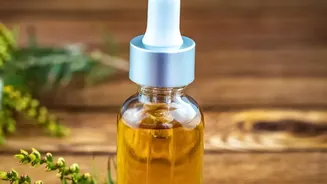
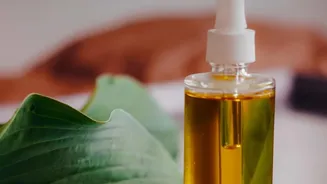
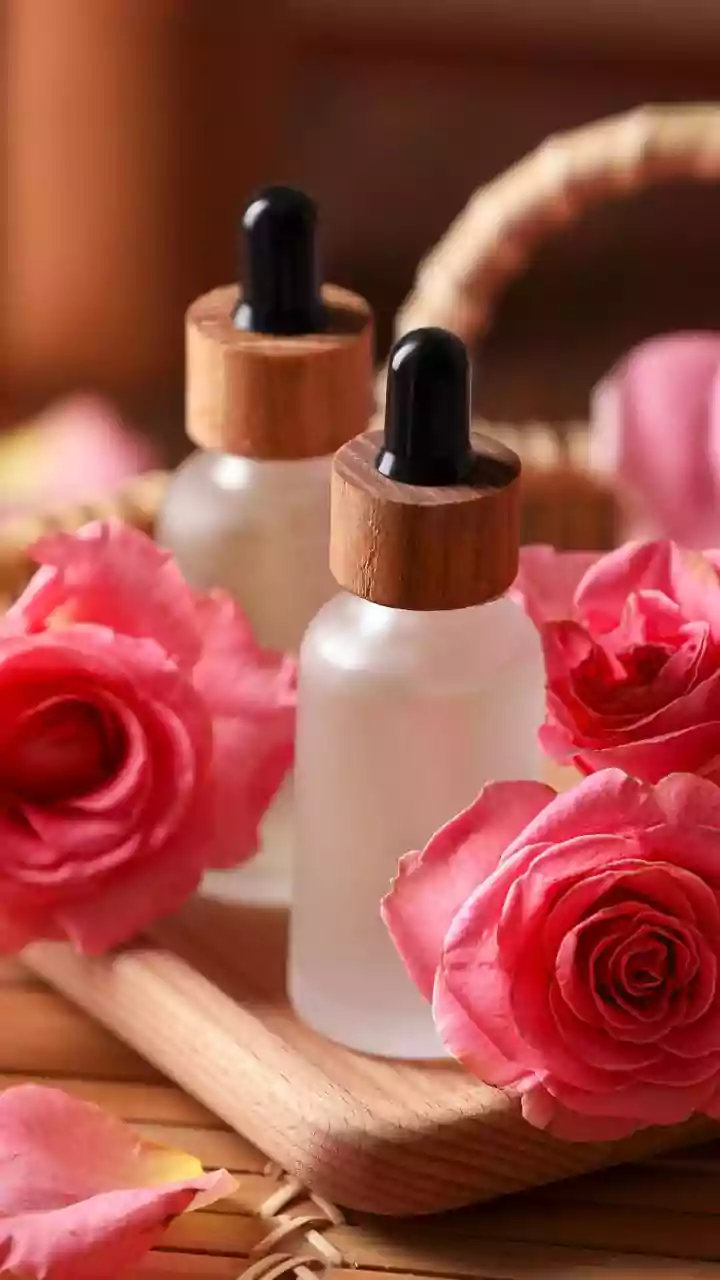
Adding squalane to your skincare regimen is incredibly simple due to its versatility. You can find it as a standalone product, often labelled as '100% Plant-Derived Squalane'. A few drops can be pressed into the skin after your water-based serums and before or in place of your moisturiser. A great technique is to apply it as the final step in your routine at night to seal everything in. You'll also find it formulated into many different products, from cleansers and serums to moisturisers and face oils, where it boosts the hydrating power of the entire formula. It's worth noting that while squalene was historically sourced from shark liver, today the vast majority of squalane in the beauty industry is sustainably derived from plants like olives, sugarcane, and rice bran, so you can feel good about using it.