


The New 'Superfood' on the Block
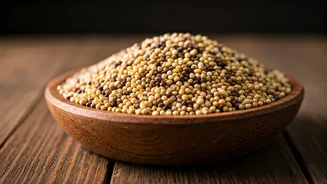
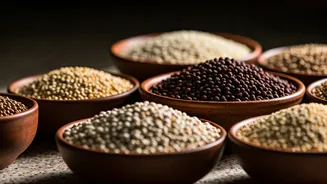
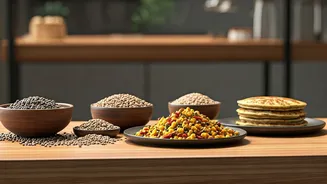
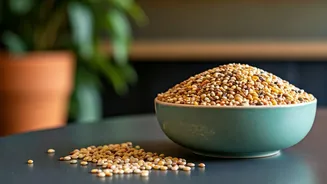
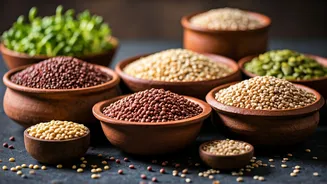
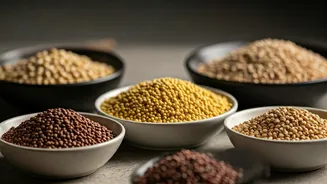
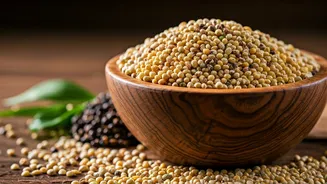
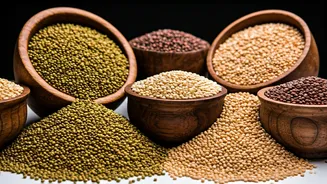
For generations, millets like jowar (sorghum), bajra (pearl millet), and ragi (finger millet) were staples in the Indian diet before refined wheat and rice became dominant. Now, thanks to a renewed focus on health and a major promotional push, including
the UN's declaration of 2023 as the 'International Year of Millets' at India's suggestion, these grains are surging in popularity. Young families, increasingly conscious of nutrition, are leading this change. A recent survey indicated that about 70% of Indian households now regularly consume millets, with health benefits being a primary motivator for 43% of them. These grains are naturally gluten-free and packed with protein, fibre, and essential minerals like calcium and iron, making them an ideal choice for growing children and health-aware adults.
Beyond the Health Halo
The appeal of millets extends far beyond their nutritional profile. They are also incredibly sustainable, a factor that resonates deeply with environmentally-conscious millennials. Millets are climate-resilient crops that require significantly less water than rice and can thrive in arid conditions with minimal fertilisers or pesticides. This makes them a win for both personal health and the planet. Furthermore, incorporating these grains is seen as a way to reconnect with culinary heritage and support local farmers. By choosing millets, families are not just making a dietary choice but also an economic and cultural statement, championing a return to balanced, traditional food systems.
From Porridge to Pancakes
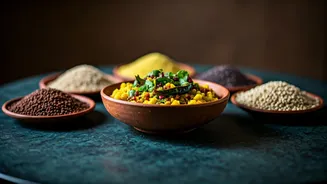
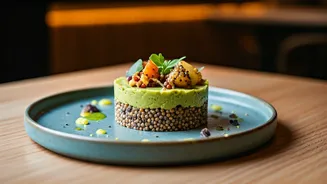
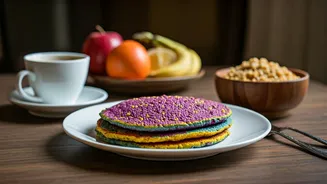
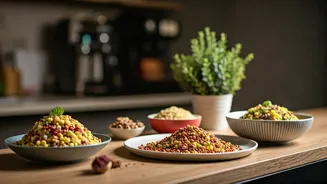
The real secret to millets' success with the younger generation is creativity. While older generations primarily consumed millets in traditional forms like roti or porridge, today's parents are giving them a modern makeover. The earthy flavour of ragi is being transformed into delicious chocolate pancakes and brownies. Jowar flour is being used to create everything from pizza bases to tacos, and foxtail millet is replacing rice in flavourful pulaos and upmas. A study noted a distinct generational shift: while parents and grandparents stuck to chapatis, children showed a clear preference for millet-based cookies and cakes. This culinary innovation makes the grains more appealing to picky eaters and seamlessly integrates them into the family's weekly menu, from tiffin boxes to weekend treats.
Making the Switch Easy
Introducing new foods to children can be challenging, and the different taste and texture of millets is no exception. Nutritionists suggest a gradual approach. Start by mixing millet flour with whole wheat flour in a 50:50 ratio for rotis or dosas. Introducing one type of millet at a time also helps prevent overwhelming young palates. Making the food visually fun is another great strategy. Think mini ragi idlis, multi-millet adai cut into squares, or crispy bajra crackers served with a favourite dip. Many brands now offer ready-to-use millet mixes for pancakes, dosas, and even noodles, making it easier than ever for busy parents to put a healthy and tasty meal on the table without the long preparation times once associated with these grains.