


A Search for Slower Shores
For decades, Goa was the undisputed king of coastal getaways in India. But a noticeable shift is underway, driven by a younger generation of travellers—Gen Z and millennials—who are redefining what a vacation should be. Tired of commercialized crowds
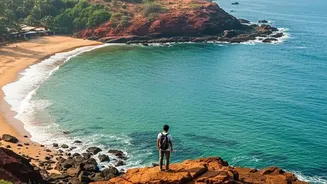
and predictable itineraries, they are seeking destinations that offer peace, authenticity, and a genuine escape. This isn't just about avoiding packed beaches; it's a move toward slower, more meaningful travel. This new travel philosophy prioritizes rest, personal experiences, and connecting with nature over checking off a list of tourist spots. Destinations like Gokarna in Karnataka and Varkala in Kerala perfectly fit this new mould, offering a blend of natural beauty, spiritual undertones, and a refreshingly un-commercialized vibe.
Gokarna: Where Temples Meet Tides
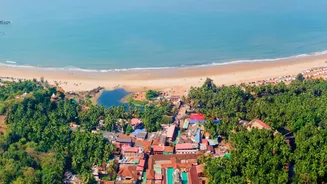
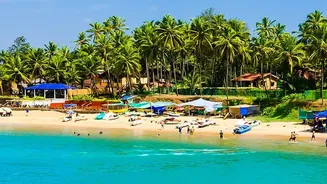
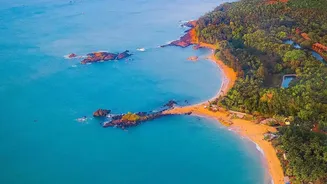
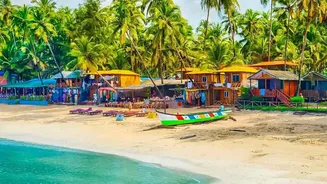
Gokarna, once known primarily as a Hindu pilgrimage town, has emerged as a haven for those looking for Goa's soul without its chaotic energy. The town's appeal lies in its string of distinct beaches, each with its own character, connected by scenic trekking trails. Kudle Beach offers a classic, relaxed atmosphere with gentle waves, while Om Beach is famous for its unique, naturally occurring 'Om' shape. For the more adventurous, reaching the secluded Half Moon and Paradise beaches requires a trek or a boat ride, rewarding visitors with near-perfect tranquillity. The vibe here is distinctly rustic and backpacker-friendly. Simple shacks and guesthouses replace large resorts, and the nightlife consists of quiet conversations under the stars rather than loud music, offering a raw, unfiltered coastal experience.
Varkala: Kerala’s Cliffside Wonder
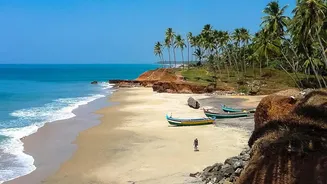
Further south in Kerala, Varkala offers a different but equally captivating coastal experience. Its defining feature is the stunning stretch of red laterite cliffs running parallel to the Arabian Sea—the only place in southern Kerala where they are found. The North Cliff is the hub of activity, a vibrant promenade lined with cafes, yoga studios, and small shops, all offering spectacular sunset views over the water. The main beach, Papanasam, is believed to have holy waters that wash away sins, adding a spiritual dimension to its natural beauty. Varkala leans more towards wellness and relaxation, attracting travellers who come for yoga retreats, Ayurvedic treatments, and a calm, restorative atmosphere. It feels more polished than Gokarna but retains a laid-back charm that sets it apart from more mainstream destinations.
The Allure of Affordability
Beyond the vibe, a major factor driving this trend is economics. For students and young professionals on a budget, Gokarna and Varkala present a significantly more affordable alternative to Goa. Accommodation in beachside shacks or homestays can be secured for a fraction of the price of a hotel in North Goa, especially during peak season. Food is cheaper, with local eateries serving authentic and delicious coastal cuisine at pocket-friendly prices. This affordability allows for longer stays and more frequent, spontaneous trips, aligning with the travel patterns of Gen Z, who often prefer multiple short breaks over one long annual holiday. In essence, these destinations make a beach vacation accessible, not an expensive luxury.
Redefining the Beach Experience
The choice of Gokarna and Varkala is more than just a preference for a new location; it's a statement about what young Indians value in their downtime. The focus has shifted from high-energy partying to low-key relaxation, from being seen at a popular club to finding a hidden cove. Travellers are deliberately seeking out places that haven't gone viral, prioritizing personal discovery over algorithm-approved hotspots. While 'uncrowded' may be a relative term as these places gain popularity, they still offer a sense of space and calm that is hard to find elsewhere. It's less about the party and more about the peace; less about the crowd and more about the connection—to nature, to the local culture, and to oneself.