

The Indian wedding scene in 2026 is all about personal expression. While timeless traditions remain at the heart of celebrations, modern brides and guests are seeking versatility. Enter layering: the ultimate style hack for a new era.
The Rise of the Jacket
Forget the idea that
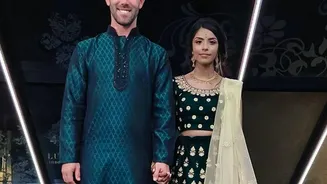
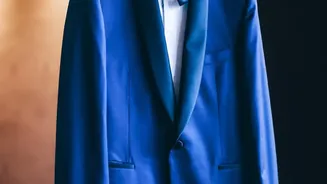
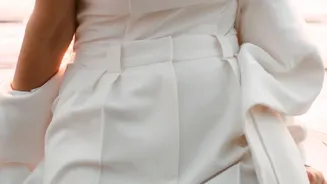
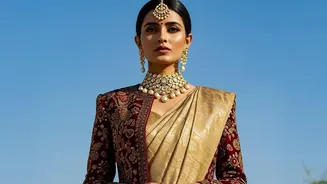
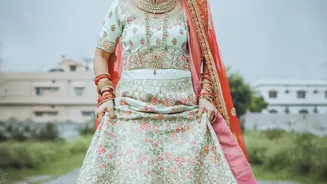
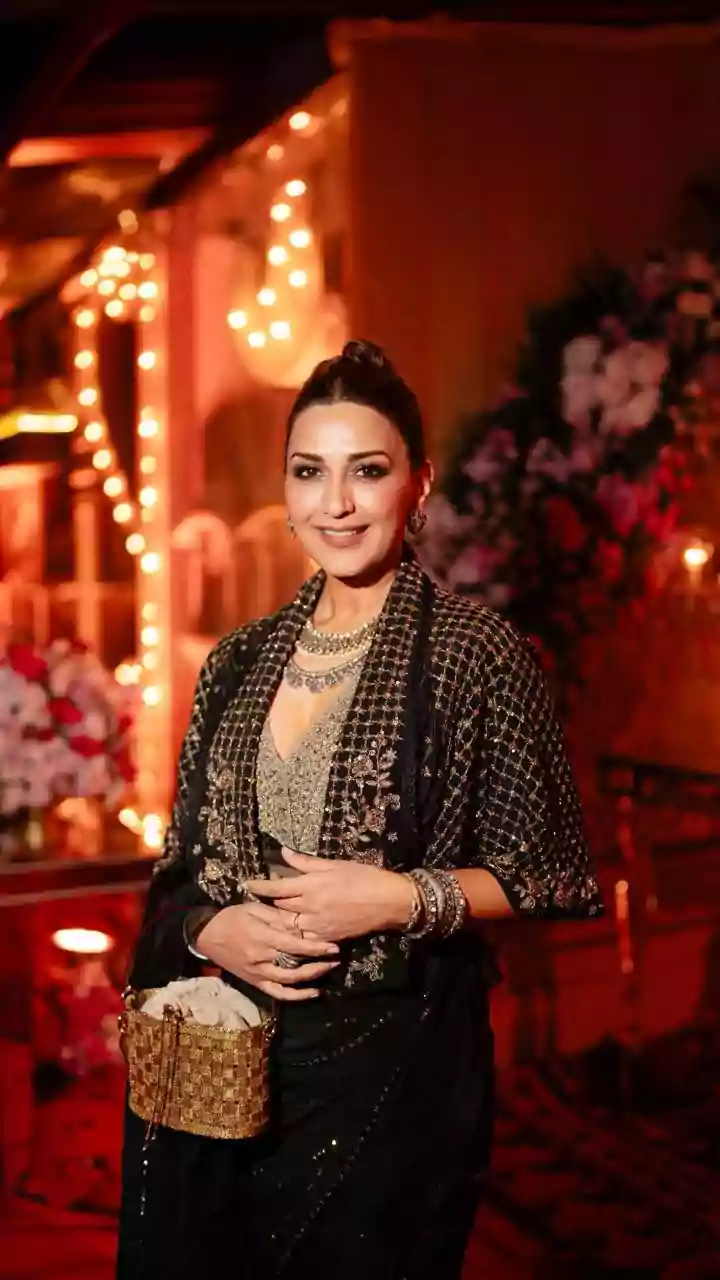
a lehenga or saree is a complete, unchangeable set. The 2026 wedding wardrobe treats the dupatta as optional, often replacing it with a structured jacket. A tailored, long-line jacket worn over a lehenga skirt transforms the silhouette, adding a touch of modern royalty perfect for a Sangeet or reception. For a sharper, more architectural feel, consider a cropped silk or brocade blazer paired with a high-waisted lehenga. This 'boss bride' energy is both powerful and practical, offering warmth for winter weddings without sacrificing style. The key is balance: if your lehenga is heavily embroidered, opt for a simpler jacket in a complementary fabric like sheer organza to let the craftsmanship shine through.
Embrace the Dramatic Cape
For those who love the drama of a dupatta but crave a hands-free experience, the cape is the answer. Cape lehengas have moved from a niche trend to a wedding staple, offering fluidity and a regal presence. These layers range from sheer, floor-length organza capes that catch the light to shorter, playful capes with feather or fringe details. Unlike a jacket, which adds structure, a cape offers a softer, more ethereal silhouette. It attaches at the shoulders or neckline, flowing over the lehenga to create stunning movement. This is a particularly effective choice for receptions and cocktail events where making a memorable entrance is key.
Rethinking the Blouse
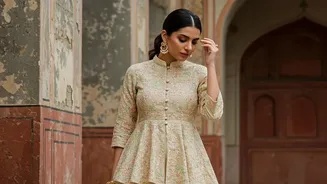
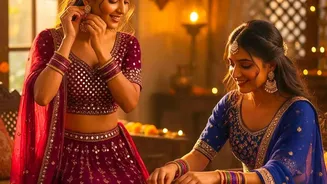
Layering isn't just about adding on top; it's also about what lies beneath. The blouse, or choli, has become a statement piece in its own right, designed to be seen. Corset-style and structured peplum blouses are major trends for 2026, creating a defined waist and a modern shape that works beautifully with sarees and lehengas alike. These architectural tops provide enough interest that a dupatta becomes unnecessary, allowing for a cleaner, more contemporary look. A peplum top, with its flared waist, adds a playful, bohemian touch to a flowing gharara or lehenga, perfect for a Mehendi ceremony.
The Art of the Double Dupatta
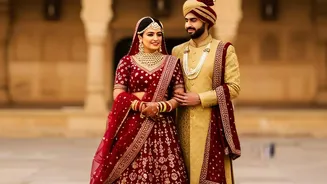
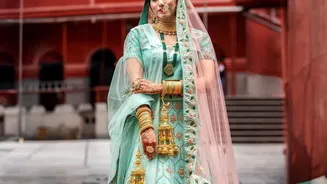
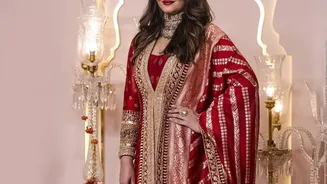
For the bride who wants to honour tradition with a modern twist, the double dupatta look remains a powerful trend. This technique involves using two dupattas to create a layered, multi-dimensional effect. Typically, one lighter, sheer dupatta is used as a head covering or veil, while a second, more heavily embroidered one is draped across the body like a shawl or cape. This approach allows for versatility; a bride can remove the heavier drape after the ceremony for a lighter reception look without a full outfit change. It’s a celebration of maximalism, where every element feels intentional and contributes to the overall grandeur of the look.
Playing with Proportions and Fabrics
Successful layering is an art of proportion and texture. A core rule for 2026 is to balance your layers. Long layers, like a floor-length jacket or cape, work best over long bases such as a lehenga or Anarkali. Shorter, cropped jackets are ideal for highlighting the waist and adding a contemporary edge. Fabric choice is equally important. The trend leans towards lightweight luxury, with organza, tissue, and georgette being preferred for their ability to create volume and movement without adding weight. A sheer organza cape over a rich silk lehenga, for example, creates a beautiful hierarchy of textures. This thoughtful combination of shape and material is what elevates a layered outfit from simply being covered to being truly styled.