




Why Leftover Rice Gets Dry and Clumpy
The culprit behind sad, day-old rice is a scientific process called starch retrogradation. When rice is cooked, its starches absorb water, swell, and gelatinize, making the grains soft and plump. As the rice cools down in the refrigerator, these starch molecules
recrystallize and push water out, causing the grains to become firm, dry, and clumped together. This process is why cold rice is often perfect for making fried rice, as the separate, firm grains won't turn to mush in the pan. However, when you want to enjoy a simple bowl of fluffy steamed rice, this dryness becomes a problem. The good news is that this process is easily reversible with a little bit of moisture and heat.
The Magic of a Simple Water Splash
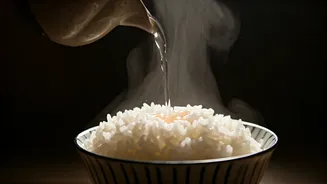
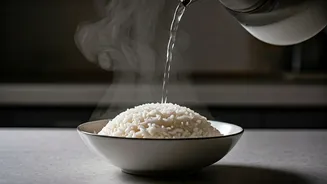
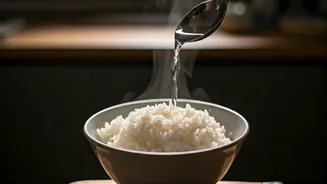
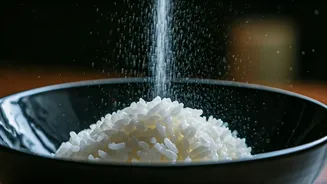
Adding a small amount of water to leftover rice before reheating it is the key to bringing it back to life. This isn't just about making the rice wet; it's about creating steam. When you cover the rice and heat it, the added water turns into steam, which penetrates the grains, rehydrating and softening them from the inside out. This gentle steaming process effectively reverses the effects of starch retrogradation, returning the rice to a moist, tender, and fluffy state. The trick is to add just enough water—typically one to two tablespoons per cup of rice—to create steam without making the rice soggy.
Method 1: The Microwave Method
For a quick and convenient solution, the microwave is your best friend. Start by placing the leftover rice in a microwave-safe bowl and breaking up any large clumps with a fork. Sprinkle about one to two tablespoons of water or broth over each cup of rice. Cover the bowl, either with a microwave-safe lid that allows for ventilation or a damp paper towel placed directly on top of the rice. Heat for one to two minutes, then stop and fluff the rice with a fork to ensure even heating. If it's still not hot enough, continue heating in 30-second intervals until it is steaming and heated through. Letting it rest for a minute after heating allows the steam to finish its work.
Method 2: The Stovetop Solution
If you don't have a microwave or are reheating a larger portion, the stovetop method works wonderfully. Add the rice to a saucepan or skillet and, just like the microwave method, add a splash of water or broth (about two tablespoons per cup). You can also add a pat of butter or a drizzle of oil for extra flavor and moisture. Cover the pan with a tight-fitting lid to trap the steam and heat over low heat. Stir occasionally for about three to five minutes, or until the rice is completely warmed through and has absorbed the liquid. The low, gentle heat combined with the steam will make your rice taste as good as new.
A Crucial Note on Food Safety
While reheating rice is simple, it's crucial to handle it safely. Uncooked rice can contain spores of a bacterium called Bacillus cereus, which can survive the initial cooking process. If cooked rice is left at room temperature for too long (in the 'danger zone' between 4.4°C and 60°C), these spores can germinate and produce toxins that cause food poisoning. Reheating the rice kills the bacteria but not the heat-resistant toxins that may have already formed. To stay safe, always cool leftover rice quickly—ideally within an hour—by storing it in shallow, sealed containers in the fridge. Never leave cooked rice on the counter for more than two hours. When you do reheat it, ensure it reaches an internal temperature of 74°C throughout.