





The Digital Sous Chef in Your Pocket
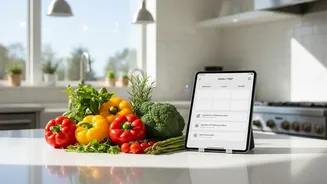
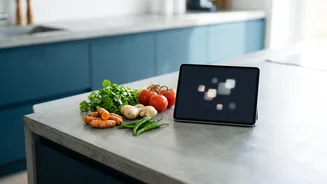
This isn't about robots taking over the kitchen. Instead, think of it as a smart, creative partner that lives on your phone or computer. AI-powered meal planners and recipe generators are rapidly moving from a futuristic concept to a practical tool in modern
Indian households. Driven by busy urban schedules and a desire for both convenience and creativity, these apps are changing how we approach daily meals. Unlike older digital recipe books, which were essentially static databases, new AI tools function like a conversational assistant. They understand the ingredients you have, learn your preferences, and generate new ideas on the spot.
From Leftover Sabzi to Dazzling Dishes
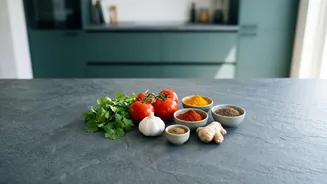
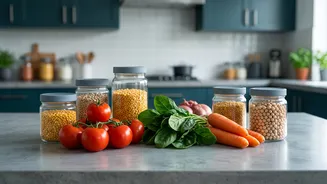
The process is remarkably simple. A user inputs the ingredients they have on hand—perhaps some paneer, a couple of onions, half a capsicum, and leftover rice. They can then add specific dietary needs, such as 'Jain', 'vegan', or 'low-sugar', and even request a particular regional style like 'Chettinad' or 'North Indian'. The AI processes these inputs and generates a customised recipe, complete with step-by-step instructions. This technology shines in its ability to tackle the common problem of food waste. By creating dishes from what’s already in the pantry, it helps households use up ingredients before they spoil, a significant benefit for both budgets and the environment.
More Than Just Recipe Inspiration
The advantages extend well beyond simply finding a new recipe. For many, the biggest relief is the end of decision fatigue. Apps can automate the entire weekly meal planning process and even generate organised grocery lists, saving precious time. This is particularly helpful in managing complex family diets, where one person might need low-sodium meals while another is vegetarian. AI can effortlessly create a plan that caters to everyone. It also fosters creativity, helping cooks break out of their dinner rut. By suggesting novel combinations or fusion ideas, like a 'Paneer Tikka Taco' or 'Butter Chicken Pizza', it encourages experimentation in the kitchen. For beginners, these tools can serve as a guide, translating instructions and suggesting ingredient swaps.
Can AI Truly Master Masala?
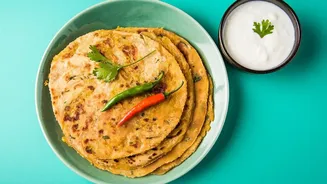
Despite its impressive capabilities, AI is not about to replace the intuitive art of Indian cooking. Experienced chefs and home cooks point out that technology cannot replicate the human sense of taste, smell, or the instinctive feeling—the 'andaaz'—that goes into perfecting a dish. An AI can't know if your spices are fresh, if your tomatoes are sweet or tart, or the specific way your family prefers its chai masala. It struggles with the deep cultural nuances and regional subtleties that define India's vast culinary landscape. Indian food content creators who use AI for brainstorming note that it sometimes makes mistakes with regional recipes, highlighting the need for human oversight. The recipes generated are often untested and can sometimes be impractical, making them a source of inspiration rather than a flawless guide.
A Tool for Inspiration, Not Replacement
Ultimately, the consensus is clear: AI is a powerful assistant, not a master chef. It empowers the home cook by handling the tedious parts of meal prep, like planning and inventory management, freeing them up to focus on the creative and sensory aspects of cooking. It provides a starting point, a spark of inspiration to be adapted and perfected with a human touch. As these tools become more sophisticated, they will likely become an even more integrated part of the kitchen, acting as a bridge between tradition and technology. They won't replace grandma's treasured recipes, but they might just help you figure out a brilliant new way to use the ingredients she would have.