



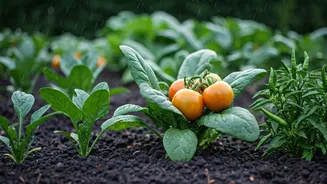


Why Starch Is Your Garden’s Secret Weapon
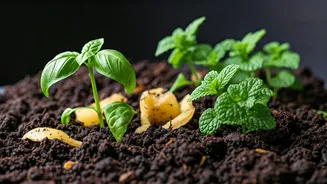
Before you toss those potato peels or pour that pasta water down the drain, consider this: starchy waste is packed with carbohydrates. In the soil, these carbohydrates break down into simple sugars, which are the primary food source for beneficial microorganisms.
A thriving population of soil microbes is the foundation of a healthy garden. They improve soil structure, making it easier for herb roots to grow and access oxygen. More importantly, these microbes help unlock and make available essential nutrients like nitrogen, phosphorus, and potassium that your herbs need to flourish. By feeding the soil life with starches, you’re creating a more fertile and resilient environment, leading to stronger plants with more intense flavour and aroma.
Gathering Your Starchy Gold
Creating a starch-rich compost blend starts with collecting the right materials. The good news is that your kitchen produces them every day. Keep a dedicated container to collect these items: * **Potato and Sweet Potato Peels:** Rich in starch and potassium. * **Cooking Water:** The cloudy water left after boiling pasta, rice, or potatoes is liquid gold, full of leached starches and minerals. Let it cool completely before use. * **Stale Bread and Roti:** Unmouldy bread, chapatis, or other baked goods can be soaked in water and added to your compost. * **Rice and Lentil Wash Water:** The water from rinsing uncooked rice and dal is another excellent source of starch. What to avoid? Steer clear of starchy scraps that are excessively oily, greasy, or salty, as these can harm soil microbes and your plants. Also, avoid adding any meat or dairy products, which can attract pests and create foul odours.
Method 1: The Quick Compost ‘Tea’ Brew
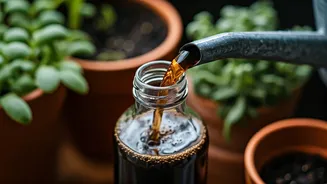
For an immediate nutrient boost, you can create a 'quick brew' liquid fertiliser. This method addresses the 'quick' promise by giving you a usable product in just a few days. Here’s how: 1. **Collect & Soak:** Take a handful of starchy materials like potato peels and stale bread pieces and place them in a bucket. 2. **Add Water:** Fill the bucket with water, ensuring all the materials are submerged. Using cooled pasta or rice water here is a great bonus. 3. **Ferment:** Cover the bucket loosely (to allow gases to escape) and leave it in a shaded spot for 2-4 days. The water will become cloudy and may develop a slightly sour, fermented smell. This is a sign that the microbes are at work, breaking down the starches. 4. **Strain & Dilute:** Strain the liquid to remove the solid pieces (which can now be added to your main compost bin). Dilute the resulting 'tea' with an equal amount of plain water. This reduces the concentration to prevent any risk of 'burning' your plants.
Method 2: The Starch-Rich Compost Booster
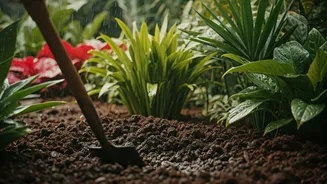
For a long-term soil health strategy, use starches to supercharge your traditional compost pile. Starchy materials are a fantastic 'green' component, providing the energy (carbon) that balances nitrogen-rich materials like grass clippings and vegetable scraps. When adding starchy waste to your compost bin, chop or tear it into smaller pieces to speed up decomposition. Because they are dense and wet, it's crucial to mix them well with 'brown' materials like dried leaves, cardboard, or sawdust. This ensures proper aeration and prevents the pile from becoming a slimy, anaerobic mess. This method isn’t as 'quick' as the tea, but it enriches your finished compost, turning it into a dark, crumbly, nutrient-dense amendment that will sustain your herb garden for months.
How to Use Your Homemade Blends
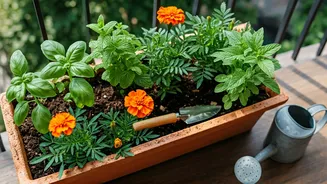
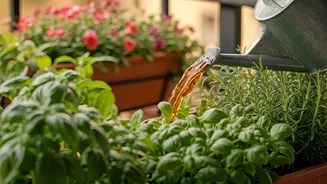
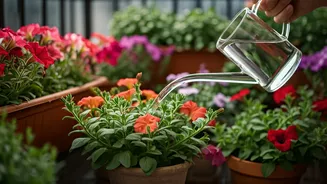
Applying your new blends is simple. For the liquid 'compost tea', use it to water the base of your herb plants once every two weeks during their active growing season (spring and summer). It provides a gentle, consistent supply of nutrients that promotes leafy growth. For the solid compost enriched with starches, use it as a top dressing. Simply sprinkle a 1-2 inch layer on the soil surface of your pots or garden beds at the beginning of the season. You can also mix it into the soil when you are first planting your herbs. This will improve the soil’s water retention and provide a slow-release source of nutrition throughout the year, ensuring your herbs are always at their peak.