





The New Employment Engine
A significant hiring boom is reshaping the job markets in cities like Lucknow, Jaipur, Coimbatore, and Nagpur. The logistics and e-commerce sectors are leading this charge, with projections indicating the creation of hundreds of thousands of new jobs.
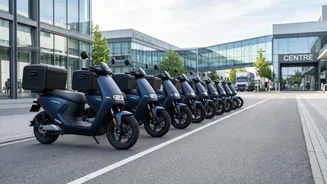
This isn't just about seasonal or temporary hiring for festive rushes; it represents a structural shift. Companies are aggressively staffing up for a wide range of roles, including warehouse managers, fulfilment planners, supply chain executives, inventory controllers, and a massive fleet of last-mile delivery partners. The demand for skilled professionals who can manage increasingly complex, tech-driven supply chains is surging.
The Strategic Shift to Tier 2
For years, the focus of e-commerce and quick commerce was winning the dense, competitive Tier 1 markets. That battleground is now saturated. The next frontier for growth is unequivocally in Tier 2 and 3 cities, which are becoming increasingly attractive and economically viable. Companies are discovering that operational costs, such as real estate for warehouses and labour, are significantly lower in these emerging urban centres. This allows them to reach profitability thresholds with lower order densities compared to metros. Furthermore, these cities host a large, aspirational consumer base with rising disposable incomes and a growing appetite for the convenience of on-demand services, creating a fertile environment for expansion.
Quick Commerce as the Driving Force
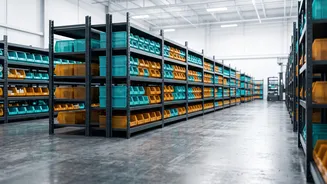
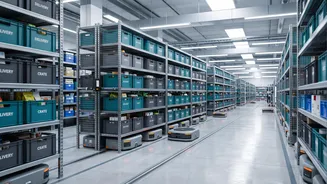
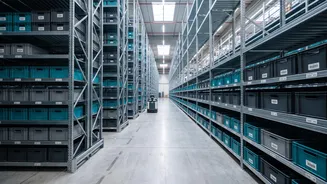
The primary catalyst for this logistics boom is the expansion of quick commerce platforms like Zepto, Blinkit (owned by Zomato), and Swiggy Instamart. The promise of 10-minute delivery for everything from groceries to electronics requires an incredibly dense and efficient hyperlocal logistics network. This model is built on a backbone of strategically located 'dark stores'—mini-warehouses that function as micro-fulfilment centres. As these companies push deeper into non-metro regions, they are building this infrastructure from the ground up, leading to a massive recruitment drive. One report noted that while overall quick commerce orders expanded five-fold, growth in smaller towns was an astonishing 42 times higher, showcasing the untapped demand.
More Than Just Delivery Gigs
While delivery partners are the most visible part of this boom, the job creation extends far beyond the last mile. To support this rapid expansion, companies are also hiring for a host of specialised, tech-focused roles. The demand for software development engineers, data scientists, and AI and machine learning specialists has expanded significantly as companies invest in route optimisation, demand forecasting, and warehouse automation. In addition, there's a growing need for customer support professionals to manage delivery inquiries and grievances, creating accessible entry-level corporate jobs with salaries ranging from ₹20,000 to ₹32,000 per month. This creates a multi-layered employment ecosystem, offering career paths from the warehouse floor to technology and operations management.
Challenges on the Horizon
This rapid expansion is not without its challenges. The logistics sector, particularly in the gig economy, faces high rates of employee attrition. Companies are in a constant battle to attract and retain talent, often resorting to aggressive salary hikes and incentive programs. As companies expand into smaller cities, they may also face infrastructure gaps and the challenge of adapting a model perfected in dense urban clusters to less predictable environments. The long-term profitability and sustainability of the ultra-fast delivery model remain under scrutiny, even as its expansion continues to create a wave of new economic opportunities across the country.