








The Quest for 'Healthy-ish'
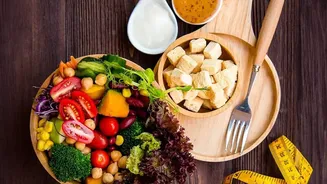
The single biggest shift driven by Millennials and Gen Z is the demand for healthier options. But this isn't about bland diet food; it's about smarter swaps. Young consumers are increasingly label-conscious, looking for natural ingredients, low-sugar
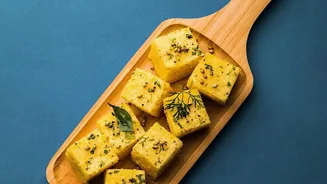
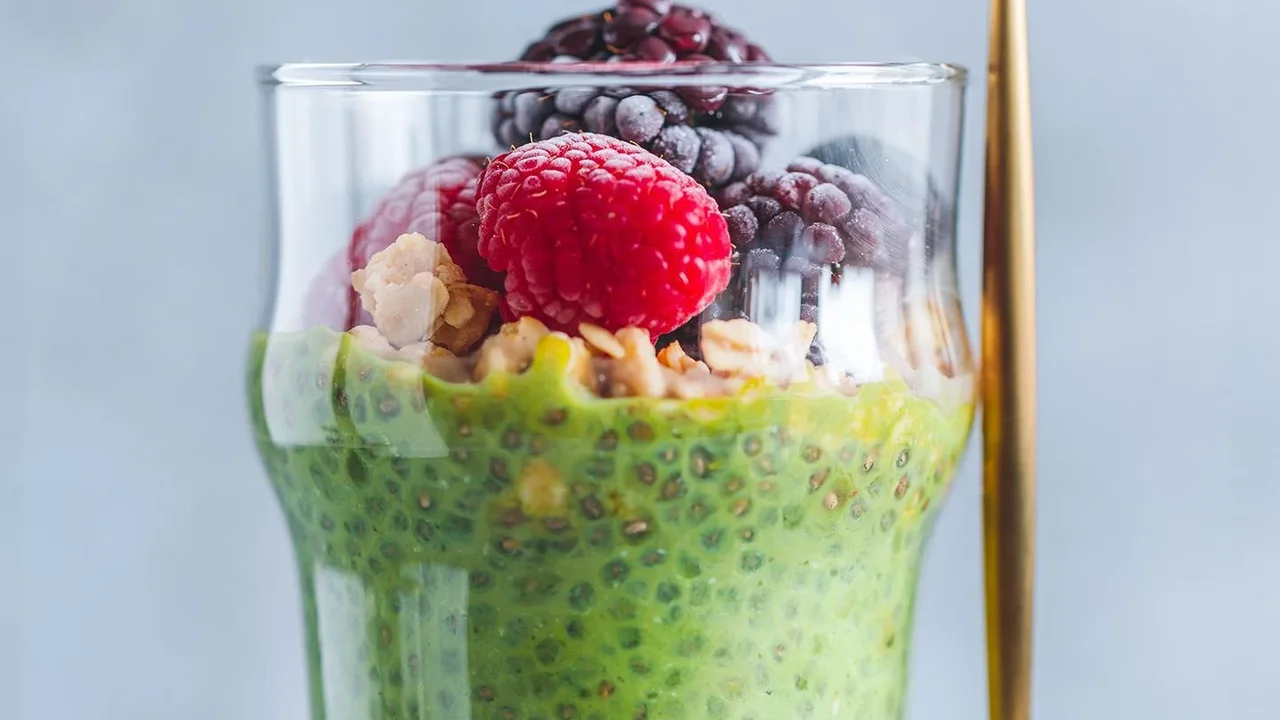
variants, and preservative-free products. This has fueled a boom in the healthy snacks market, which is projected to grow significantly, with some estimates suggesting a CAGR of nearly 8% or more. This trend sees deep-fried snacks being replaced by baked, roasted, or air-popped alternatives like millet-based chips and flavored makhana (fox nuts). Brands are responding by reinventing traditional foods, turning items like seeds and dry fruits into premium, on-the-go products that promise functional benefits like energy and protein boosts without sacrificing taste. Even indulgence is getting a healthy makeover, with a growing appetite for desserts made with alternative flours or natural sweeteners.
Convenience Is the New Currency
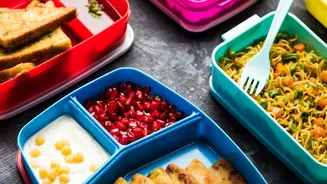
Rapid urbanization and increasingly busy lifestyles mean time is a luxury many young professionals don't have. This has supercharged the demand for convenience without compromise, making the Ready-to-Eat (RTE) and Ready-to-Cook (RTC) segments some of the fastest-growing in the Indian food industry. The RTE market in India is expanding at a remarkable rate, with some projections showing a CAGR of over 16%. This growth isn't just in metro cities; Tier-2 cities are quickly catching up as modern retail and quick-commerce platforms expand their reach. The offerings are also evolving from basic instant noodles to sophisticated meal kits, frozen foods, and instant mixes for traditional Indian dishes, catering to a generation that may lack traditional cooking skills but still craves authentic flavours.
A Global Palate at Home
Exposure to global cultures through travel, the internet, and media like K-dramas has cultivated an adventurous palate among young Indians. They are eager to experiment with new and international flavours, and they want those experiences available in their kitchens. This curiosity is driving demand for products like pasta sauces, exotic dips, and international noodle variants. Social media trends can cause a sudden surge in demand for specific ingredients or dishes, like the recent popularity of Korean ramens, matcha-flavoured desserts, and Middle-Eastern sweets. Food is no longer just for sustenance; it's an experience and a form of social expression, with visual appeal being a key factor for this Instagram-savvy generation.
The Rise of Plant-Based and Protein-Rich Foods
Parallel to the health trend is a growing interest in plant-based diets and protein-fortified foods. India's vegan food market is on a strong growth trajectory, expected to expand at a CAGR of around 10%. This is driven by a mix of factors including health awareness, ethical considerations, and a high prevalence of lactose intolerance. Dairy alternatives like soy, almond, and oat milk now command a significant share of the market, moving from a niche product to a staple in urban cafes and homes. Soy, in particular, is a dominant ingredient due to its affordability and high protein content. Simultaneously, a focus on fitness is fueling demand for products with added protein, from breakfast cereals and snack bars to even traditional meals, as consumers seek more nutritional value from their food.
The Digital Aisle and D2C Disruption
How young Indians discover and buy food has fundamentally changed. Social media is a primary source of information, with food influencers and short-form videos shaping purchasing decisions. Studies show that a majority of young consumers feel compelled to order food after seeing it online. This digital shift has also enabled the rise of countless Direct-to-Consumer (D2C) brands that are nimble enough to cater to niche demands, whether it's for vegan snacks, artisanal chocolates, or region-specific health foods. The growth of online grocery and quick-commerce platforms has further democratized access, allowing consumers to get these products delivered in minutes and making experimentation easier than ever.