


The Original ‘Clean Girl’ Blueprint
You know the look, even if you don’t know the name. The 'clean girl' aesthetic was social media’s answer to the 'no-makeup makeup' look, refined into a strict formula. It was all about appearing polished and naturally beautiful with minimal effort. The checklist
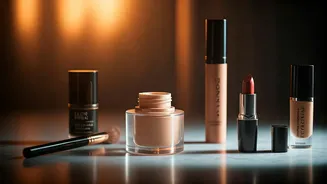
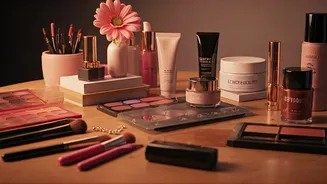
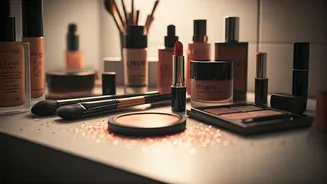
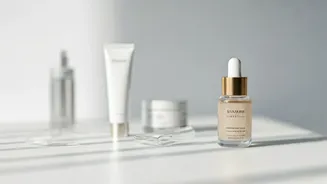
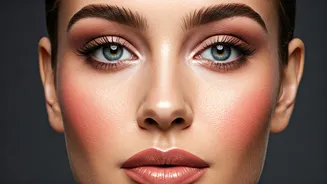
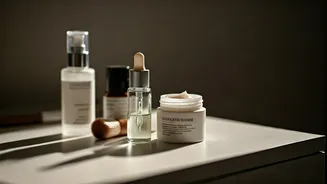
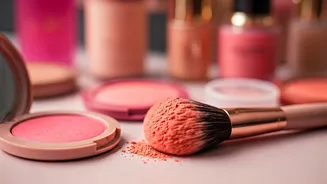
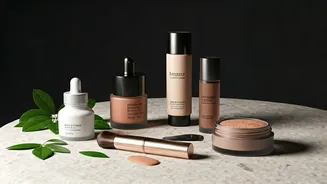
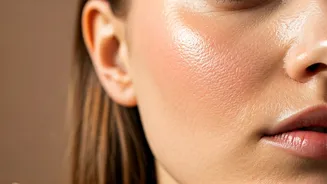
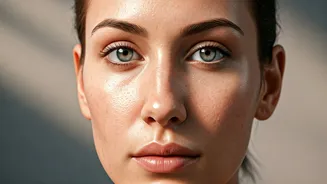
was specific: dewy, glass-like skin achieved with a light tint instead of foundation, brushed-up and feathery brows, a touch of cream blush for a rosy flush, and glossy, plump lips. The vibe was aspirational, channelling an off-duty model who just happens to have perfect skin. Popularised by celebrities and influencers, this less-is-more approach was a pivot away from the heavy contouring and matte finishes that defined the 2010s, embracing a skincare-first philosophy. It felt like a breath of fresh air, a celebration of natural features over dramatic transformation.
Cracks in the Flawless Façade
However, the clean girl aesthetic soon faced criticism. For many, 'effortless' felt like an impossible standard. The look heavily relied on having near-perfect, clear skin to begin with, making it exclusionary for those with acne, scarring, texture, or hyperpigmentation. Critics pointed out that this 'minimal' look often required expensive skincare routines, regular facials, and high-end products, revealing a classist undertone. Furthermore, the aesthetic was overwhelmingly represented by thin, white creators, sidelining the Black and brown women who had sported similar minimal styles, like slicked-back hair and glossy lips, for decades without it being labelled a trend. The rigid rules felt less about enhancing individuality and more about conforming to a very narrow, and often unattainable, ideal of beauty. The 'clean' label itself implied that other makeup styles were somehow 'messy' or less valid.
The Rise of the Personal Era
In response to these criticisms, and as part of a broader cultural shift towards individuality, the clean girl aesthetic is being redefined. It’s no longer about following a strict set of rules but about adopting the ethos of the trend—fresh, refined, and enhancing—and making it your own. This new wave is about personality, not perfection. Beauty enthusiasts are now personalizing the look to suit their own features and styles. This might mean pairing a classic clean skin base with a bold, graphic eyeliner or a vibrant, colourful lip. It could be about embracing skin texture instead of hiding it under blurring primers, or swapping the neutral palette for a pop of unexpected colour. The focus has shifted from erasing individuality to celebrating it, using the 'clean' canvas as a starting point for self-expression.
Creating Your Own ‘Clean’
So, how can you embrace this more personal take on clean beauty? Start by focusing on what you want to highlight. Maybe you love your lips—make a bold, glossy lip the star of the show while keeping the rest of your face fresh and minimal. If you enjoy playing with eye makeup, try a simple wash of pastel shadow or a sharp wing on an otherwise bare-looking face. The key is balance. The updated 'clean' look uses makeup to express a mood or highlight a feature, not to fit into a pre-defined box. It encourages using products that feel good and celebrate your unique beauty, whether that means a full-coverage foundation to even your skin tone or letting your freckles shine through a sheer tint. This evolution aligns with a larger movement in the beauty industry toward hyper-personalization, where products and routines are tailored to individual needs and preferences rather than mass trends.