



The Problem of Perishable Waste
Household food waste is a significant issue in India, with studies showing that a large portion of it happens at the consumption level. According to a UNEP report, Indian households generate around 55 kg of food waste per person annually. A major culprit
is perishable produce. We buy fresh vegetables like palak, methi, and tomatoes with the best intentions, but busy schedules and a crowded fridge mean they often get forgotten until it’s too late. This not only drains your wallet but also contributes to a larger environmental problem.
Embracing the 'Use-First' Philosophy
The solution is a concept professional kitchens have used for years: 'First-In, First-Out,' or FIFO. For home use, think of this as creating a 'use-first' box or zone. It’s not a physical product but a system you create after each grocery run. The core idea is to identify which vegetables will spoil the fastest and make them the easiest to see and reach. By putting your newest, hardiest produce at the back and the most delicate items front and centre, you naturally use up what needs to be eaten first.
Identifying Your 'Delicate' Vegetables
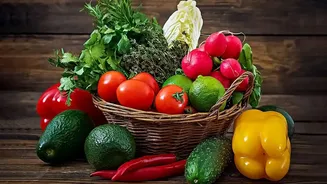
The success of this system hinges on correctly identifying your delicate produce. These are the items that need to be part of your meals in the first one to three days after purchase. In a typical Indian kitchen, this 'use-first' list includes: leafy greens (spinach, fenugreek), fresh herbs (coriander, mint), mushrooms, soft tomatoes, berries, and green beans. These items have a high water content and are susceptible to wilting and spoilage. They should be prepped and stored for immediate visibility and use.
The Hardy 'Use-Later' Foundation
On the other end of the spectrum are hardy vegetables. These form the foundation of your week's meals and can withstand being at the back of the queue. This category includes root vegetables like potatoes, onions, garlic, carrots, and beets, as well as items like cabbage, pumpkin, and cauliflower. These vegetables have a much longer shelf life and don't require immediate attention, giving you flexibility in your meal planning. Storing them properly, often in a cool, dark place outside the fridge (like onions and potatoes), is key to their longevity.
Making Your Produce Visible
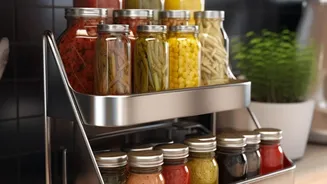
The most crucial part of the 'use-first' plan is visibility. If you can't see it, you won't use it. This is where organising your refrigerator becomes essential. Designate a specific shelf or a clear container at eye-level as your 'use-first' zone. When you unload your groceries, immediately place your delicate greens and herbs in this spot. Avoid shoving them into an opaque crisper drawer where they'll be forgotten. Using clear containers helps you see the contents at a glance, reminding you of what needs to be cooked next.
A System for Your Fridge
To fully implement the system, think of your fridge in zones. The door is the warmest part, suitable for condiments. The top shelves have a more consistent temperature, making them ideal for leftovers and your 'use-first' box. The bottom shelves are the coldest and best for meat or dairy. Use your crisper drawers intelligently; they are designed to maintain humidity for fruits and vegetables. After every grocery trip, take five minutes to rotate your stock: new items to the back, older items to the front. This small habit can drastically cut down on discovering science experiments in your fridge weeks later.