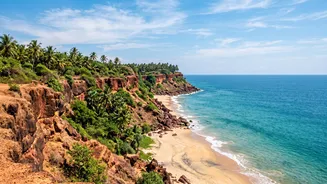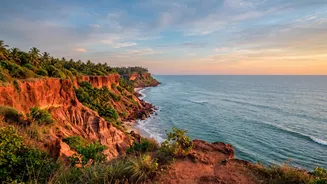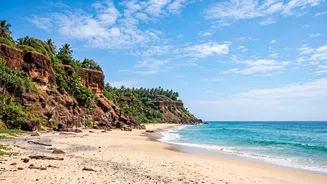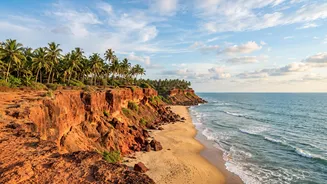




The Vibe: Cliffside Chic vs. Rustic Soul
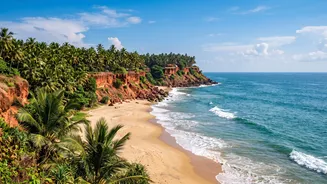
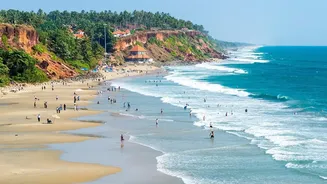
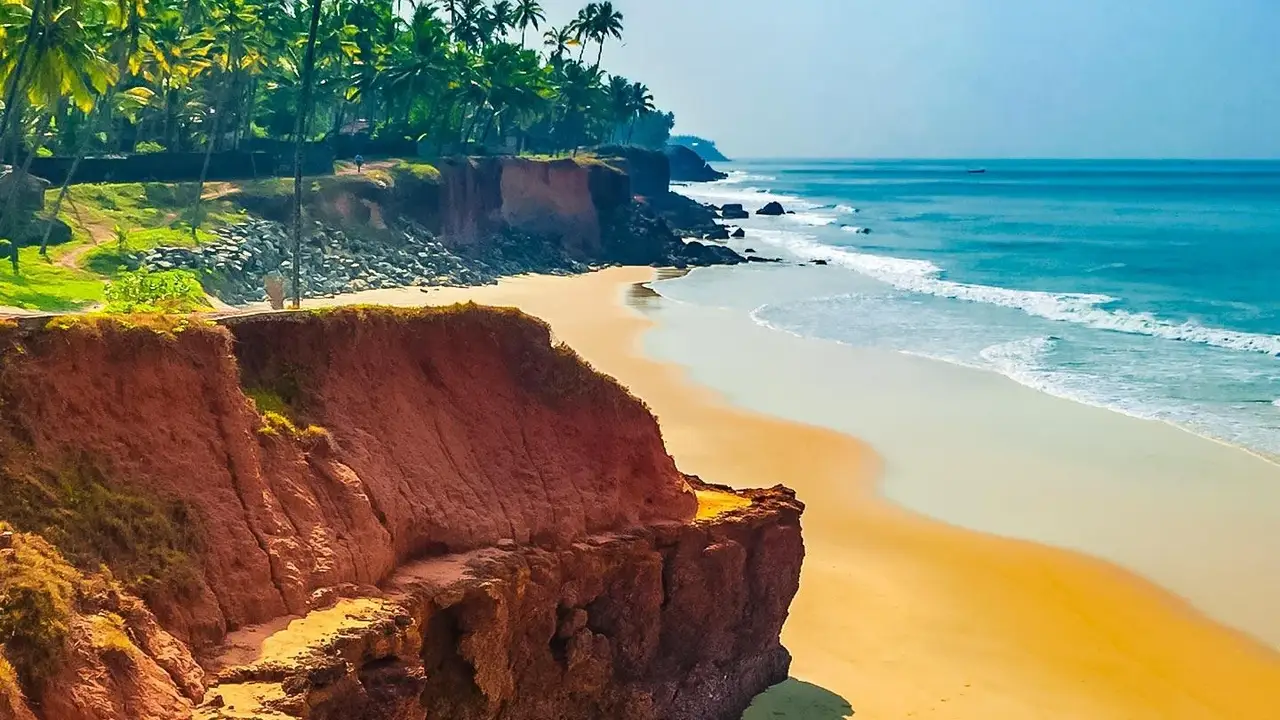
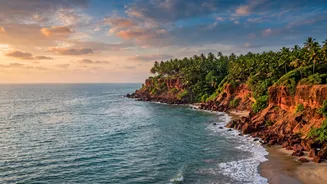
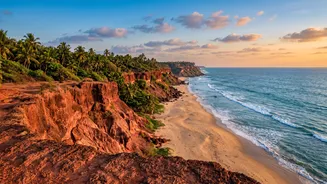
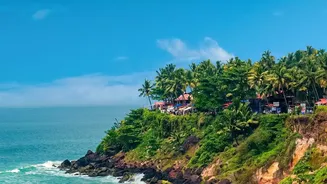
Your choice between Varkala and Gokarna will largely come down to the atmosphere you seek. Varkala, with its dramatic red cliffs, has a developed, wellness-oriented vibe. It's a place where yoga classes, Ayurvedic treatments, and a vibrant cafe culture
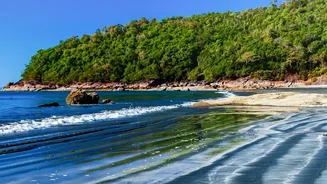
are central to the experience. The North Cliff promenade is a walkable strip of shops, guesthouses, and restaurants, creating a comfortable and social environment perfect for first-time solo travelers or those seeking modern comforts. Gokarna, on the other hand, retains a rawer, more rustic charm. At its heart, it is a significant pilgrimage town, and this spiritual identity blends with a laid-back backpacker culture. The lifestyle here is less about chic cafes and more about beach treks, bonfires, and disconnecting. It's often described as feeling like 'Goa twenty years ago,' appealing to those who prefer a quieter, more adventurous, and close-to-nature experience.
Connectivity: The Digital Nomad’s Lifeline
For a working nomad, internet is non-negotiable. Both towns have stepped up, but with key differences. Varkala has a more established infrastructure for remote work. The cliffside is dotted with cafes like Coffee Temple, Darjeeling Cafe, and AUM Cafe, known for offering reliable Wi-Fi, power outlets, and a work-friendly atmosphere. Many hostels and guesthouses also cater to nomads with dedicated work areas and high-speed internet. While power cuts can happen, they are less frequent, and carrying a backup mobile SIM from Jio or Airtel is a standard precaution. Gokarna's connectivity is improving but can be less consistent. You'll find cafes with Wi-Fi, but the network can fluctuate, especially during power outages. A dual-SIM strategy is highly recommended here. While there aren't many formal coworking spaces, some resorts and homestays outside the main town are now offering high-speed fiber internet packages specifically for workations. The general rule in Gokarna is to confirm internet speed and power backup with your accommodation beforehand.
Cost of Living: Stretching Your Rupee
Both destinations are budget-friendly, but Gokarna generally comes out as the cheaper option. In Gokarna, you can find basic beach huts and simple guesthouses for a lower price, and local food options are incredibly affordable. A daily budget can be managed on as little as ₹1,200–₹2,500. However, be mindful of auto-rickshaw fares between beaches, which can be disproportionately high; renting a scooter is often more economical. Varkala is slightly pricier, particularly for food and accommodation along the popular North Cliff. Meals at the scenic cliff cafes will cost more than local eateries. That said, it remains a very affordable destination, with a comfortable budget ranging from ₹1,800–₹3,000 per day. Hostels and long-stay rentals away from the main cliff offer great value, with some monthly rentals for private rooms available for around ₹20,000-₹40,000.
Scenic Views & Downtime: Beyond the Laptop
Both towns are coastal paradises, but they offer different landscapes to explore after you shut your laptop. Varkala’s signature view is the stunning panorama from its laterite cliffs overlooking the Arabian Sea. Sunsets from the cliff are a daily ritual, and the main Papanasam Beach is ideal for swimming and surfing. For a change of scenery, you can explore the quieter Odayam Beach or the tranquil backwaters at Kappil. Gokarna’s beauty lies in its collection of distinct beaches, connected by a popular trekking trail. The trek from Kudle Beach to Om Beach, Half Moon Beach, and finally Paradise Beach offers breathtaking vistas and a sense of adventure. This multi-beach experience is Gokarna's main draw, allowing you to find a different patch of sand for every mood, from the social vibe of Kudle to the secluded feel of Paradise.