





The Monsoon Effect on Air Travel
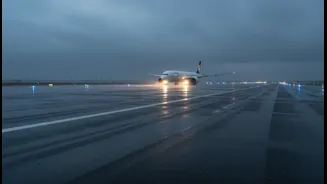
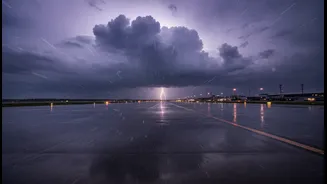
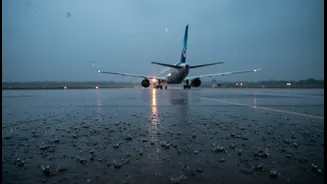
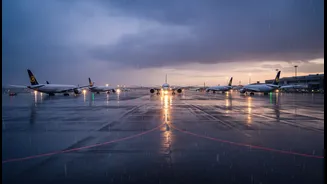
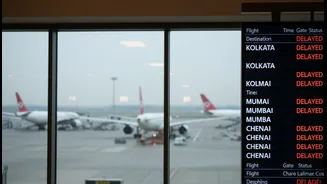
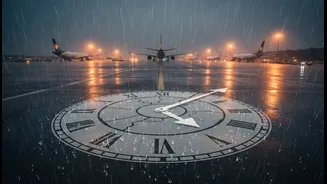
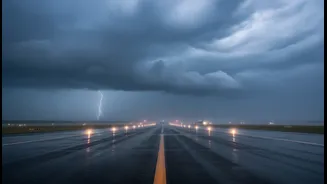
Every year, the monsoon season tests the patience of travellers across India. Heavy rain, low visibility, and strong winds create a ripple effect of disruption at major hubs like Kolkata’s Netaji Subhas Chandra Bose International Airport. On Friday, the city
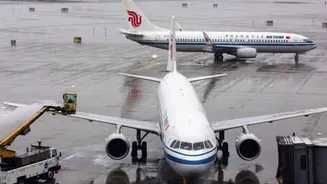
experienced steady showers that led to waterlogging and prompted airlines to issue advisories about potential delays for all departures and arrivals. These weather events are considered 'force majeure' or extraordinary circumstances, meaning they are beyond an airline's control. While this is frustrating for passengers, it's a complex operational challenge for airlines, which are constantly trying to balance safety, scheduling, and customer satisfaction.
What Exactly Is a Flight Buffer?
This is where flight buffers, also known as schedule padding, come in. Think of it as a block of extra time that airlines strategically add to a flight's official schedule. It’s the difference between the actual time it takes to fly from point A to B under ideal conditions and the time you see printed on your ticket. This padding is not arbitrary; it's a calculated cushion designed to absorb minor, common delays without officially making the flight 'late'. For a typical two-hour flight, this might mean an extra 10-15 minutes built into the timetable. The goal is to improve on-time performance statistics, which are a critical measure of an airline's reliability.
The Science of Scheduling
Airlines employ dedicated scheduling teams that use a variety of data points to determine these buffers. They analyze historical flight data, seasonal weather trends, air traffic control patterns at specific airports, and even the time of day. The scheduled time you see on your ticket, known as 'block time', includes not just the time in the air, but also the expected time for taxiing on the ground before takeoff and after landing. A buffer is added to this total. For instance, a flight that takes 87 minutes in the air and 22 minutes on the ground might be scheduled as a 120-minute journey, giving it an 11-minute buffer. During monsoon season in Kolkata, these calculations become even more critical to account for predictable weather disruptions.
Why You Still Face Delays
If airlines build in these buffers, why do long delays still happen? The answer is that buffers are designed for small, manageable disruptions. They can easily absorb a 15-minute delay waiting for a departure slot. However, they are no match for severe weather that shuts down a runway for an hour or causes a cascade of knock-on effects across the network. When one flight is significantly delayed, it can impact the schedule of that same aircraft for the rest of the day, along with its crew's duty time limits. This domino effect can quickly overwhelm even the most generous schedule padding, leading to the lengthy delays passengers experience during major weather events.
What This Means for Passengers
Understanding the concept of flight buffers can help manage expectations. It reveals that airlines are proactively trying to maintain schedules, not just reacting to problems. However, for travellers stuck at the airport, knowing your rights is crucial. Under DGCA rules, even if a delay is due to weather, airlines have a 'duty of care'. For domestic flights in India, this means they must provide free meals and refreshments for delays of two hours or more. For longer, overnight delays, they are required to provide hotel accommodation and transport. While you won't get monetary compensation for weather-related issues, these essential services are mandatory. Airlines may not always be proactive, so it's important to approach ground staff and politely ask for these facilities once a delay crosses the two-hour mark.