





The Crackdown Is Here
If you commute into or around the National Capital Region (NCR), be prepared for more frequent traffic stops. Authorities in Gautam Buddh Nagar (Noida), Ghaziabad, and Gurugram have initiated special drives to enforce PUC certificate compliance. This
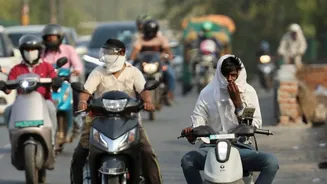
isn't a routine check; it's a coordinated effort linked to the region's broader strategy to combat the annual winter pollution crisis. The enforcement is a key part of the Graded Response Action Plan (GRAP), which was activated on October 21 after Delhi's Air Quality Index (AQI) slipped into the 'poor' category. The goal is to get polluting vehicles off the road before the air quality deteriorates further into 'severe' territory, a familiar plight for NCR residents every winter.
Why The Sudden Urgency?
The timing is directly linked to the weather. As temperatures drop, pollutants like dust and vehicular emissions get trapped closer to the ground, leading to the thick, toxic smog the region is infamous for. This phenomenon is worsened by stubble burning in neighbouring states. The Commission for Air Quality Management (CAQM) has directed all NCR states to take pre-emptive action. This year, the enforcement includes a 'No PUC, No Fuel' policy, which is being rolled out more strictly across the region. Petrol pumps equipped with Automatic Number Plate Recognition (ANPR) cameras can identify vehicles without a valid certificate and deny them fuel, making compliance a necessity for daily travel.
What Is a PUC Certificate?
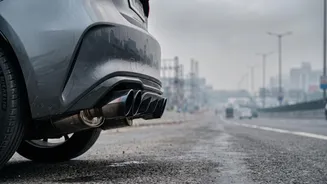
A Pollution Under Control (PUC) certificate is a mandatory document that certifies your vehicle's emissions are within the legally prescribed limits. It is a requirement under the Central Motor Vehicles Rules, 1989. For new cars, the first certificate is valid for one year from the date of registration. After that, it must be renewed every six months. For vehicles compliant with BS-IV or newer emission norms, the renewal period might vary. The test measures pollutants like Carbon Monoxide (CO) and Hydrocarbons (HC) to ensure your vehicle is not contributing excessively to air pollution. Electric vehicles are exempt from this requirement.
How to Get Your Vehicle Certified
Getting a PUC certificate is a straightforward and quick process. You can visit any authorised testing centre, which are commonly located at petrol pumps, CNG stations, and licensed private workshops. The procedure takes about 15-20 minutes. An operator will insert a probe into your vehicle's exhaust pipe to analyse the emissions. If your vehicle passes, the centre will issue a digitally generated certificate linked to the national VAHAN database. The cost is nominal, typically ranging from ₹60 to ₹100 for two-wheelers and petrol cars, and slightly higher for diesel vehicles, around ₹100 to ₹150. It is advisable to not wait until you are stopped by the police, as queues at testing centres are likely to grow longer.
The Heavy Cost of Non-Compliance
Ignoring the PUC norm can be a costly mistake. Under the amended Motor Vehicles Act, driving a vehicle without a valid PUC certificate can result in a hefty fine. In Delhi and other parts of the NCR, this penalty can be as high as ₹10,000. In addition to the fine, non-compliance can also lead to imprisonment for up to three months and the suspension of your driving license for three months. With digital enforcement systems and ANPR cameras becoming more widespread, the chances of getting caught are significantly higher than in previous years. The fine is not a one-time inconvenience; repeated offenses can lead to compounding penalties.