




The Spark: Bengaluru's Food Safety Crackdown
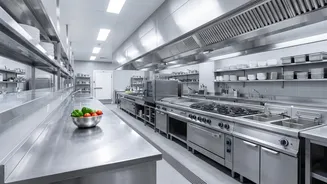
In August 2026, food safety authorities in Bengaluru launched a massive enforcement drive, inspecting dozens of establishments, from high-end, five-star hotels to local eateries and even quick-commerce warehouses. The raids, conducted by Karnataka's Food
Safety and Drug Administration (FSDA), uncovered a slew of alarming violations. Officials seized hundreds of kilograms of expired meat, rotten vegetables, and mislabelled products. One of the most frequently cited violations was the failure to properly segregate vegetarian and non-vegetarian foods, as well as raw and cooked items. These surprise checks revealed that even premium establishments were not immune to basic hygiene lapses, challenging the assumption that a higher price tag guarantees a safer meal.
The Core Rule: Separate, Always
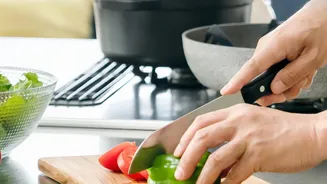
Food safety regulations, both in India under the FSSAI and globally, are built on a few core principles. One of the most fundamental is separation. This means storing and preparing different types of food in a way that prevents them from coming into contact. For restaurants, this involves several layers: dedicated storage areas for vegetarian and non-vegetarian ingredients, separate refrigerators or shelves for raw meat and ready-to-eat produce, and distinct cutting boards, knives, and utensils for each. For example, many professional kitchens use a color-coding system—green for vegetables, red for raw meat—to prevent accidental mix-ups. The rule is simple: raw foods, especially meat, poultry, and seafood, must never touch or drip onto cooked or ready-to-eat foods.
The Science of Cross-Contamination
The reason for this strict separation is to prevent cross-contamination, which is a leading cause of foodborne illness. Raw meat, poultry, and fish can harbor dangerous bacteria like Salmonella, E. coli, and Listeria. These pathogens are invisible, have no smell, and are killed during the cooking process. However, if raw chicken juices drip onto a fresh salad in a refrigerator, or if a chef uses the same knife to cut raw meat and then chop vegetables for a garnish, those harmful bacteria can be transferred to food that won't be cooked again. Consuming even a trace amount of these pathogens can lead to symptoms ranging from stomach cramps and vomiting to severe, life-threatening infections.
Beyond Veg and Non-Veg
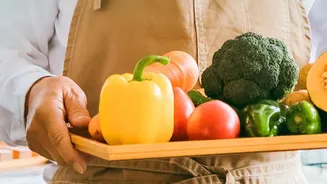
While respecting dietary and religious preferences is a key reason for separating vegetarian and non-vegetarian food in India, the health risks of cross-contamination apply universally. The danger isn't just about meat touching vegetables. It's about any raw food potentially contaminating a cooked one. This is why FSSAI guidelines mandate clear segregation during preparation, cooking, and storage. Improper storage also extends to allergens. For a person with a severe nut or seafood allergy, even a microscopic trace transferred via a shared utensil can trigger a serious reaction. The recent Bengaluru checks, which found fungal growth on vegetables stored improperly, show that the risk goes beyond just bacteria from meat.
What This Means for Diners
The government's enforcement drive aims to make dining out safer for everyone. For consumers, these checks are a reminder that food safety is not a given. While you can't inspect the kitchen yourself, understanding the principles helps. A restaurant that openly communicates its commitment to handling dietary restrictions and has well-trained staff is often a good sign. The violations found in Bengaluru, such as improper segregation, expired food, and unhygienic conditions, are all red flags that a kitchen may not prioritize public health. By holding establishments accountable, these inspections empower diners and push the entire industry to maintain higher standards.