





A New Chapter in Overnight Travel
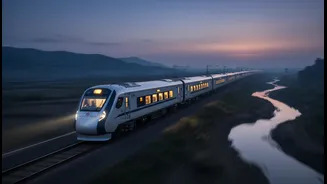
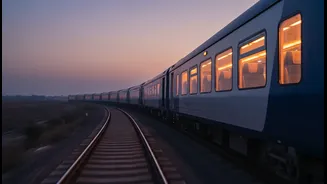
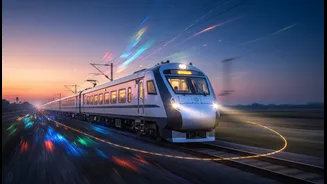
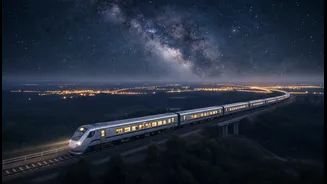
For decades, the rhythm of overnight train journeys has been a familiar part of life in India. Now, that experience is being reimagined. The Vande Bharat sleeper is the next evolution of India's flagship semi-high-speed train, moving beyond the popular
chair-car format to tackle long-distance, overnight routes. Unlike traditional sleeper trains, these new services are engineered for speed, comfort, and efficiency. The core idea is to significantly cut down journey times—often by several hours compared to existing express services like the Rajdhani—while offering a vastly improved passenger experience. With modern interiors, bio-vacuum toilets, and enhanced safety features, the Vande Bharat sleeper aims to provide a hotel-like environment on rails, transforming an exhausting overnight haul into a restful and productive part of the journey.
The Weekend Warrior’s Dream
The biggest advantage offered by the Vande Bharat sleeper is the gift of time, a precious commodity for urban professionals and weekend travellers. Consider a typical Friday evening departure. By saving three to four hours on a conventional route, passengers can arrive at their destination earlier and fresher on Saturday morning, ready to explore. This effectively stretches a two-day weekend, making previously distant destinations more accessible for a quick trip. Instead of losing a large chunk of Saturday to travel fatigue, explorers can hit the ground running. The high demand for the initial services shows just how appealing this proposition is; when booking opened for the first route, tickets were snapped up in less than a day, signalling a huge appetite for faster, more comfortable overnight connections.
What is the Onboard Experience?
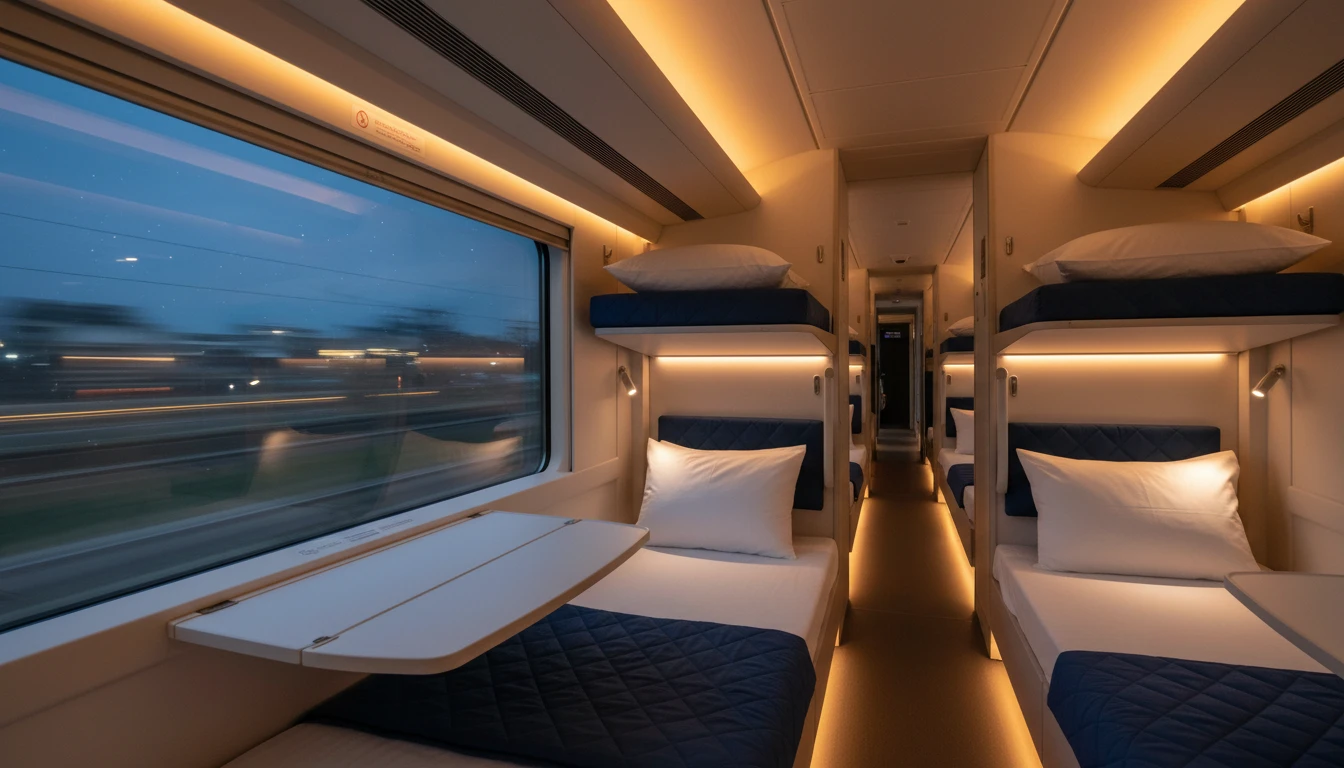
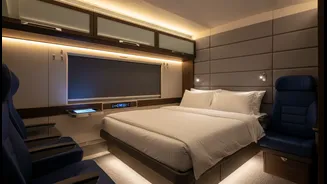
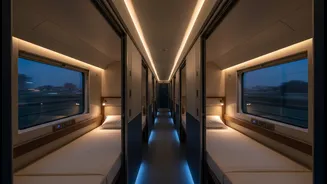
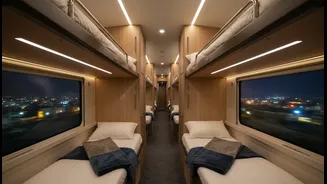
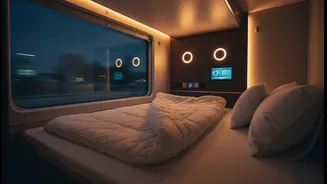
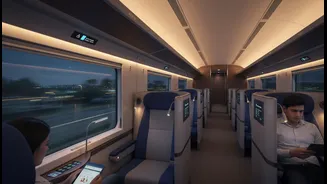
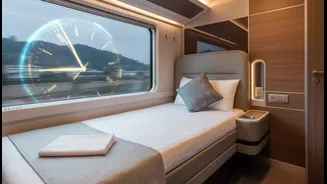
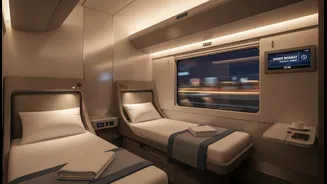
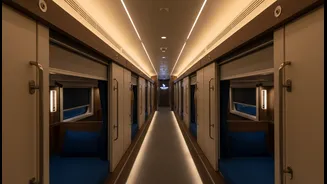
Stepping into a Vande Bharat sleeper is a notable departure from older train coaches. The design philosophy focuses on modern aesthetics and passenger comfort, with some travellers dubbing it a “five-star hotel on rails”. The trains feature aesthetically pleasing interiors with smart lighting, automatic doors, and thoughtfully designed berths. Beyond looks, practical upgrades include advanced fire detection systems and CCTV surveillance for better safety. While the initial reception has been largely positive, with praise for the quiet, smooth ride and clean facilities, the service is still in its early days. Some initial passenger feedback has pointed to inconsistencies in areas like onboard catering, which are typical teething issues for a new service. The overall goal, however, is clear: to make the journey itself a seamless and pleasant part of the travel experience.
Current Routes and Future Promise
While the excitement is palpable, the Vande Bharat sleeper network is currently in its nascent stage. The first service was launched in January 2026 between Howrah and Kamakhya. A second route connecting Varanasi and Chheharta (near Amritsar), named the Sant Ravidas Express, was flagged off in mid-July 2026. This service operates three times a week, linking Uttar Pradesh with Punjab. Though the current footprint is small, the pipeline is ambitious. Indian Railways has plans for dozens more routes connecting major metro cities and tourist hubs, with a Bengaluru-Mumbai service officially approved. However, travellers should temper their expectations, as the broader rollout has faced significant delays due to design and manufacturing hurdles, with many new trains now expected towards the end of 2026 or later.
Is It Worth the Premium?
The Vande Bharat sleeper is positioned as a premium service, with fares typically running 10-15% higher than those for a comparable class on a Rajdhani Express on the same route. For that modest increase, the trade-off is significant: a faster journey, a more comfortable and modern sleeping environment, and the potential for a more productive start to your trip. For budget-conscious travellers or those on less time-sensitive journeys, traditional express trains remain a viable option. But for the weekend explorer, the solo traveller looking to maximise their time, or families wanting a more comfortable journey, the value proposition is strong. It repositions the train not just as a mode of transport, but as an efficient tool for reclaiming personal time.