




The Rhythm of the Monsoon
The primary driver behind Coorg’s attractive late-June pricing is one powerful, natural force: the Southwest Monsoon. While the pre-monsoon showers in early June are gentle, late June marks the official, grand arrival of the rainy season. This is not
a mere drizzle; it’s a period of sustained, often heavy rainfall that transforms the landscape and, crucially, the tourism calendar. For most tourists, sunny skies are a prerequisite for a holiday. The onset of the monsoon signals the end of the peak tourist season (which runs from March to early June), leading to a sharp decline in visitor numbers. This shift from peak to off-season is the single biggest factor influencing the cost of a trip to the 'Scotland of India'.
Simple Economics: Supply and Demand
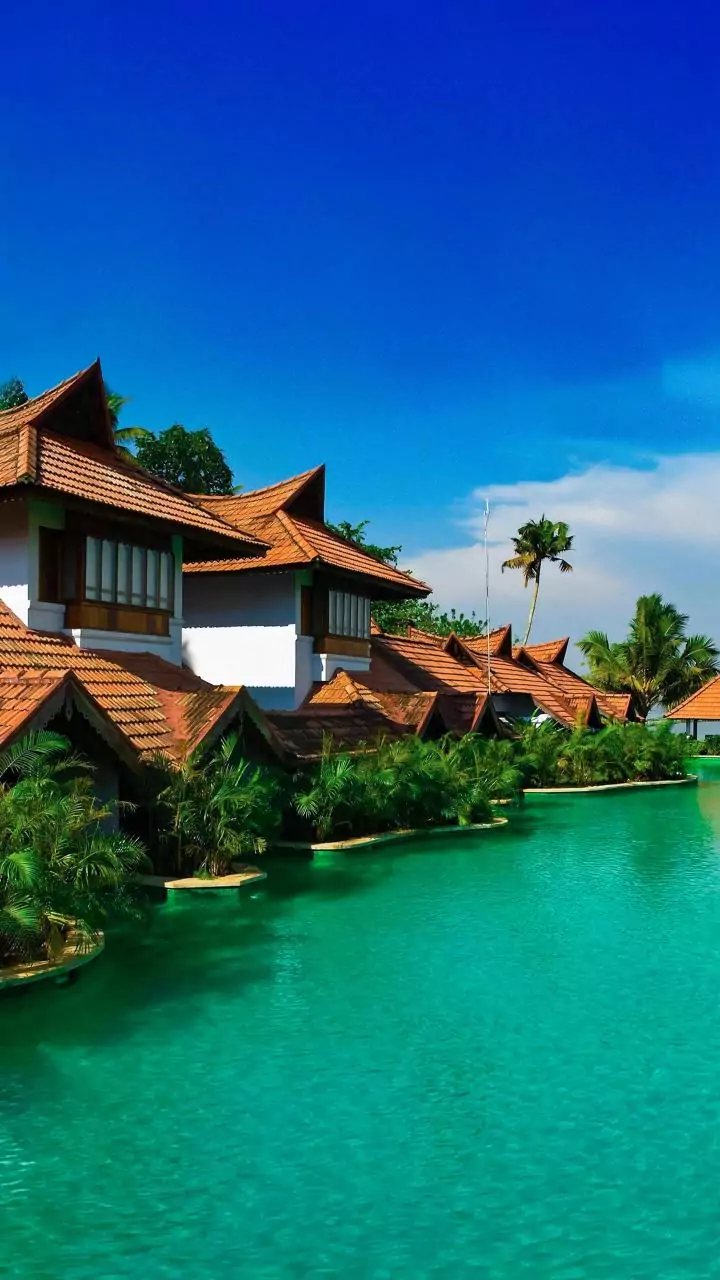
With fewer tourists, the basic law of supply and demand kicks in. Hotels, resorts, and the region's famous homestays find themselves with an abundance of empty rooms. To entice the few travellers willing to embrace the rain, they slash their tariffs significantly. It’s not uncommon to find accommodation rates dropping by 30-50% compared to their peak season prices. This principle extends beyond just lodging. Taxi services, local guides, and even some restaurants may offer better rates or be more open to negotiation. For the budget-minded traveller, this presents a golden opportunity to experience the luxury and charm of Coorg's best properties at a fraction of the usual cost. The value proposition becomes incredibly compelling: the same beautiful rooms and warm hospitality, just without the peak-season price tag.
Embracing a Greener, Wilder Beauty
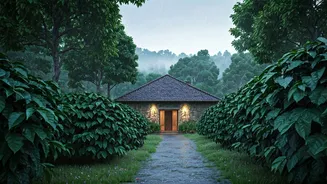
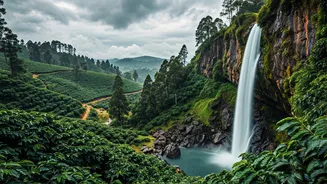
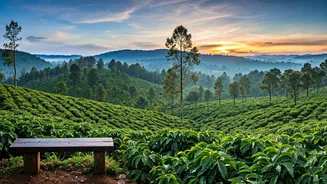
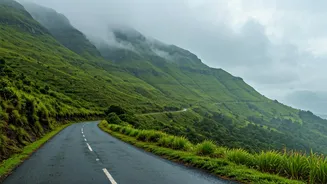
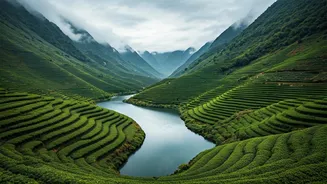
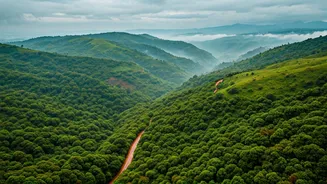
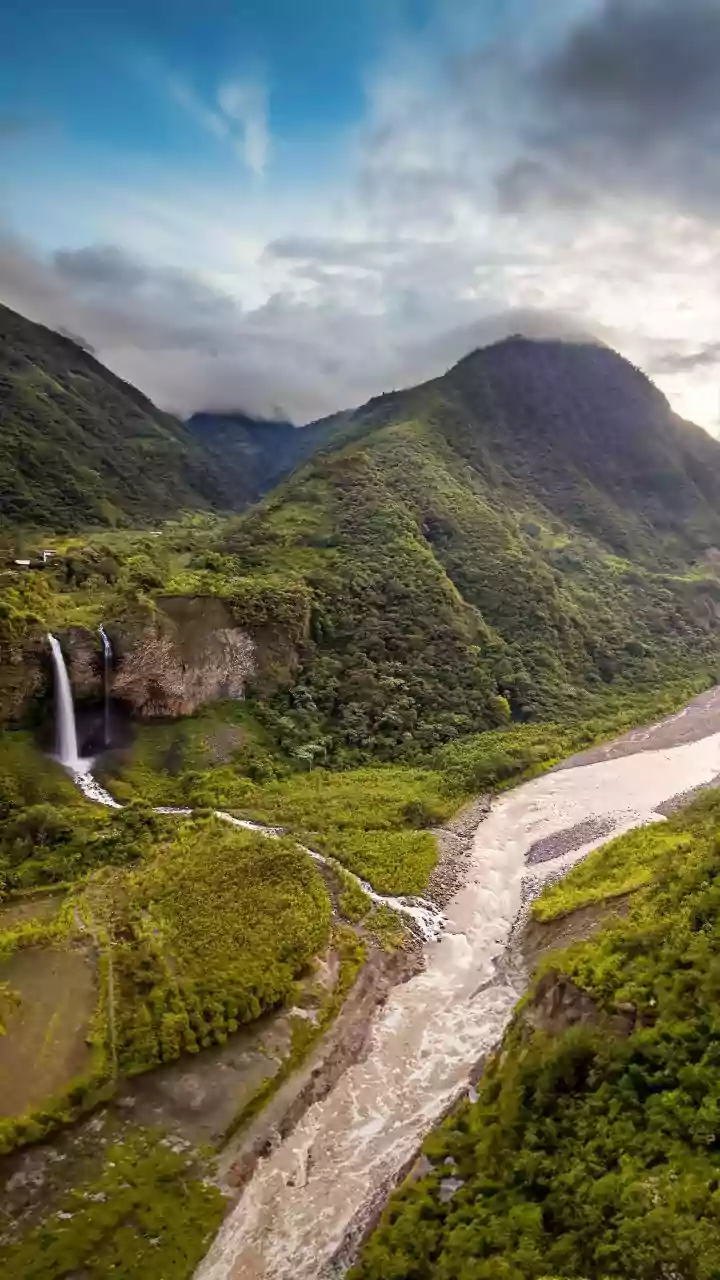
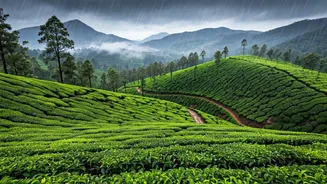
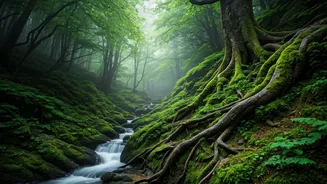
While the low prices are the initial draw, the real reward for a late-June visit is witnessing Coorg in its most dramatic and beautiful state. The rain breathes life into the region, washing the dust off every leaf and turning the rolling hills into a hundred shades of vibrant green. Waterfalls that are mere trickles in the summer, like Abbey Falls and Iruppu Falls, transform into roaring, spectacular cascades. The air is cool, crisp, and filled with the petrichor—the earthy scent of rain on dry soil. The landscape is often shrouded in a mystical layer of fog, creating a moody, atmospheric setting that is perfect for those seeking peace and solitude. It's an immersive experience, where the sound of the rain becomes the soundtrack to your holiday.
Practicalities for the Monsoon Traveller
A monsoon trip to Coorg requires a different kind of preparation. Waterproofing is non-negotiable. Pack a reliable raincoat, waterproof footwear with good grip, and an umbrella. Quick-dry clothing is far more practical than heavy cottons or denims. While the scenery is stunning, some activities may be off-limits. Hardcore trekking trails can become slippery and dangerous, and it's wise to check with local authorities about potential landslide risks on certain routes. Outdoor sports might be cancelled. However, visiting coffee plantations is still very much possible and takes on a unique charm in the mist. The key is to shift your mindset from a holiday of constant outdoor activity to one of relaxation, enjoying the views from a cosy balcony with a hot cup of local coffee, and taking short, opportunistic walks when the rain subsides.
The Joy of Fewer Crowds
Perhaps the most underrated perk of visiting Coorg in late June is the absence of crowds. Popular viewpoints like Raja's Seat are not swarming with tourists, allowing for a more personal and tranquil experience. You won't have to jostle for the best photo spot or wait in long queues. In homestays and smaller resorts, the reduced number of guests often translates to more personalised attention from your hosts. It’s a chance to connect with the local culture on a deeper level. This quiet, unhurried pace is a luxury that money can’t always buy during peak season. For travellers who value serenity over a packed itinerary, the off-season offers a more authentic and soulful glimpse into the life of the Kodava hills.