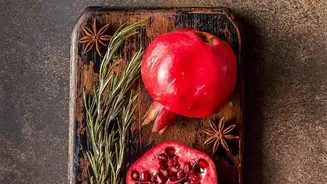








A Fruit For All Seasons
While often associated with winter, the pomegranate is a unique fruit in India, available nearly year-round. This is thanks to a farming practice known as the 'bahar' system, where growers can induce flowering at three different times of the year by controlling
irrigation. This results in three distinct harvesting seasons. The 'mrig bahar' crop, which flowers in the monsoon months of June and July, is harvested from December through February, making it the one we most associate with the winter season. This specific harvest often yields high-quality fruits that are perfect for distant markets.
A Nutritional Powerhouse
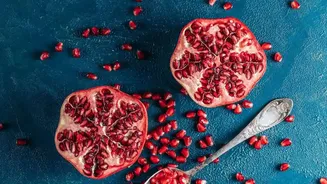
Pomegranate has earned its reputation as a 'superfood'. The seeds, or arils, are packed with essential nutrients, including fibre, vitamin C, potassium, and magnesium. But their real strength lies in their high concentration of powerful antioxidants, such as punicalagins and anthocyanins. These compounds help protect the body's cells from damage caused by free radicals. Studies suggest that the antioxidant capacity of pomegranates is three times higher than that of red wine and green tea. This potent antioxidant and anti-inflammatory activity may contribute to a reduced risk of several chronic conditions, including heart disease and certain types of cancer.
Heart and Health Benefits
Regular consumption of pomegranate has been linked to significant heart health benefits. Research indicates it may help lower blood pressure and protect LDL cholesterol (the 'bad' kind) from oxidative damage, a key step in the development of atherosclerosis, or the hardening of arteries. The fruit's anti-inflammatory properties are also widely studied. Chronic inflammation is a driver of many serious diseases, and studies have shown pomegranates can reduce inflammatory activity in the digestive tract and other parts of the body. Some research also points to benefits for brain health, including improved memory, and better exercise endurance and muscle recovery.
How to Pick the Perfect Pomegranate
Choosing a ripe, juicy pomegranate is simpler than it seems. Don't be solely guided by colour, as it can range from medium red to pink depending on the variety. Instead, focus on weight. A ripe pomegranate should feel heavy for its size, indicating that its arils are plump and full of juice. The skin should be firm, smooth, and taut, like stretched leather. Unripe fruits are often perfectly round, while ripe ones may develop a slightly square or angular shape as the swollen seeds press against the outer wall. Finally, give it a tap; a ripe fruit will produce a metallic sound.
The Easiest Way to Deseed
The messiness of deseeding a pomegranate often discourages people, but two simple methods make it easy. The first is the 'water method'. Score the pomegranate's skin, then submerge it in a bowl of cold water and break the sections apart. The arils will sink to the bottom while the bitter white membrane floats to the top, which you can then easily skim off. The second, faster method is the 'spoon whack'. Cut the fruit in half horizontally. Hold one half, seed-side down, over a bowl and firmly tap the back of the skin with a heavy spoon. The vibrations will cause the seeds to fall right out into the bowl.
Beyond the Garnish: Pomegranate in Indian Kitchens
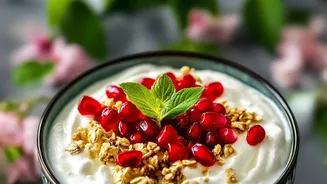
In India, pomegranate is more than just a colourful garnish for raita or salads. Its dried seeds, known as 'anardana', are a staple souring agent in North Indian cooking, particularly in dishes like chole (chickpea curry), where it adds a distinct tangy depth. The peel, often discarded, also has culinary uses. Once dried and powdered, it can be used as a souring agent in curries, added to spice blends, or steeped to make a tart herbal tea. Fresh seeds are used in various chutneys, offering a unique texture and flavour when blended with herbs and spices. From savoury curries to refreshing drinks, the entire fruit offers a spectrum of flavours.