






Why Your Body Needs Extra Care
The monsoon might be a relief from the heat, but the increased humidity and dampness create an ideal environment for bacteria and viruses to thrive. According to both modern science and ancient Ayurvedic wisdom, our digestive fire, or 'Agni', tends to weaken
during this season. This makes us more susceptible to infections, bloating, and other digestive issues. The key is not to restrict yourself entirely, but to make smarter choices that support your body's immunity and digestion while still indulging in the season's best offerings. Think of it as a delicious balancing act.
Embrace Warm, Cooked, and Light Meals
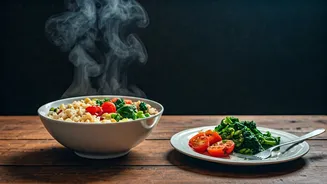
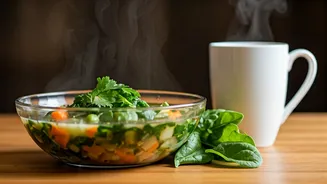
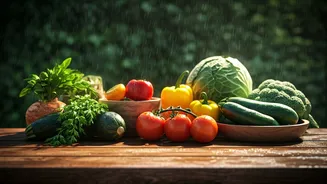
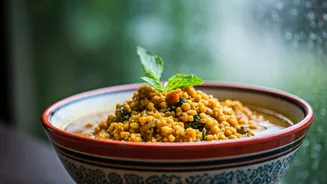
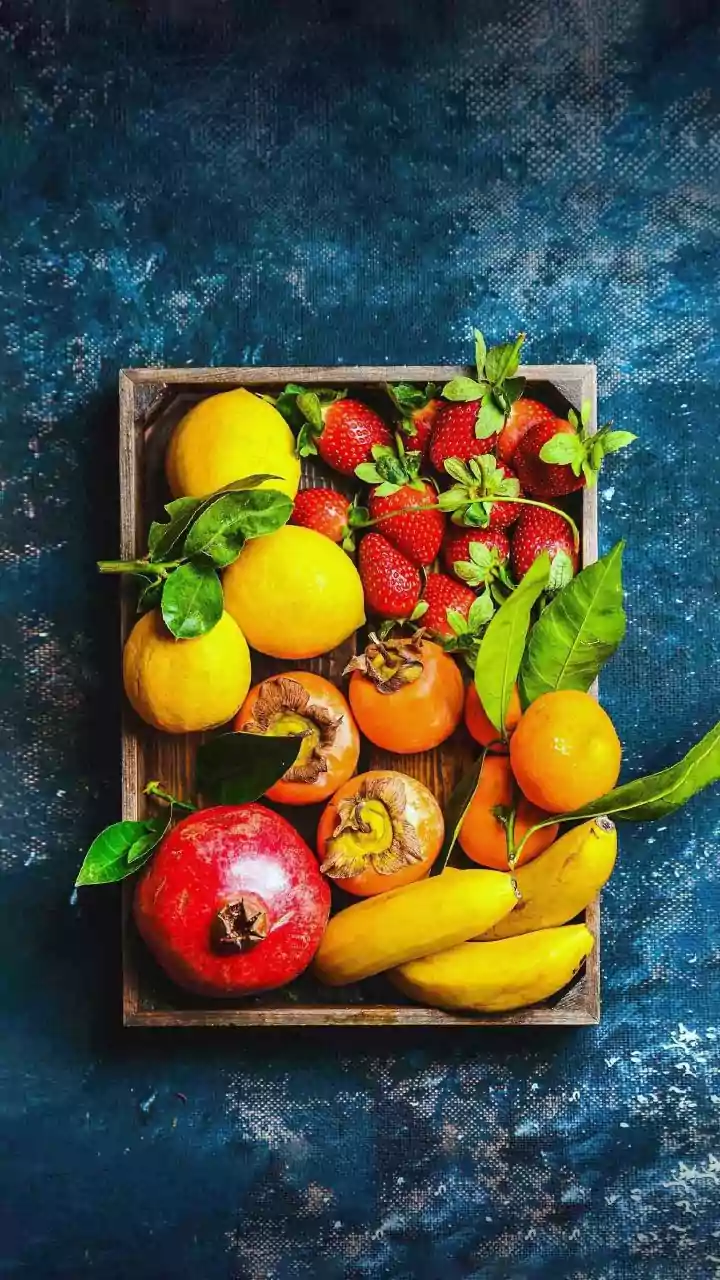
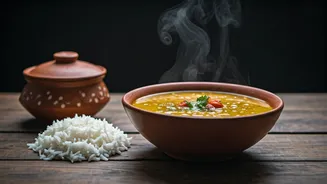
Your gut will thank you for favouring foods that are light, warm, and easy to digest. This is the perfect time for comforting bowls of soup, simple dals, and the quintessential monsoon meal: khichdi. Incorporating gourds like lauki (bottle gourd) and karela (bitter gourd) is highly recommended as they are easy on the stomach. Seasonal fruits such as jamun, pears, plums, and pomegranates are excellent choices as they are packed with vitamins and antioxidants that bolster your immune system. When it comes to grains, opt for older, well-stored ones like barley and brown rice, which are considered lighter and more digestible.
The Power of Spices and Immunity Boosters
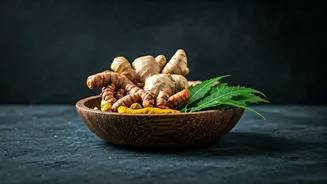
Your spice box is your best friend this season. Spices like turmeric (haldi), ginger (adrak), and garlic (lehsun) are renowned for their anti-inflammatory, antibacterial, and immune-boosting properties. Start your day with a warm herbal tea infused with ginger, tulsi, and a dash of honey to keep common colds and coughs at bay. Adding black pepper, cinnamon, and cardamom to your meals not only enhances flavour but also aids digestion and helps fight off pathogens. A glass of warm turmeric milk, or 'haldi doodh', before bed is a timeless remedy to soothe your throat and improve immunity.
Navigating The Street Food Maze
The allure of street-side pakoras and chai is undeniable when it's raining. While caution is advised, you don't have to miss out completely. The golden rule is to choose foods that are cooked fresh at high temperatures right in front of you. Piping hot pakoras, bhajiyas, and samosas are relatively safe because the hot oil kills most germs. Roasted bhutta (corn on the cob), seasoned with lemon and salt, is another safe and iconic monsoon snack. However, it's wise to avoid things that use unboiled water, like pani puri and various chutneys, as they carry a higher risk of contamination. Steamed items like idlis and momos are also safer bets than their fried or sauce-laden counterparts.
The Green and Leafy Dilemma
Traditional advice often warns against eating leafy green vegetables during the monsoon. This is primarily because the dampness and mud make them prone to hosting dirt, worms, and bacteria. However, that doesn't mean you must eliminate these nutritious powerhouses entirely. The solution is careful preparation. Ensure you wash all leafy greens, like spinach and cabbage, thoroughly, perhaps in a solution of salt water or vinegar. Most importantly, always consume them well-cooked rather than raw in salads. Cooking will help eliminate any lingering microbes, allowing you to get their benefits safely.