





Why Journeys Take Longer
The arrival of monsoon season invariably means longer commute times. Heavy downpours lead to widespread waterlogging, particularly in low-lying urban areas, turning roads into obstacle courses. This issue is compounded by poor visibility, potholes concealed
by murky water, and an increased number of vehicle breakdowns. In major cities like Mumbai, even a single spell of intense rain can disrupt road and rail traffic, leading to bumper-to-bumper jams that can last for hours. Authorities often issue advisories warning of these disruptions, and in severe cases, subways and key roads may be temporarily closed.
Pre-Travel Vehicle Checklist
Before you even start your engine, a quick vehicle check can prevent a major headache. Your tyres are your first line of defence on slippery roads. Ensure they have adequate tread depth—at least 2-3 mm—to prevent skidding or hydroplaning. Your braking system is equally critical. Monsoon conditions can compromise brake efficiency, so check your brake pads and fluid levels. Finally, ensure your electrical systems are in top shape. Fully functional headlights, taillights, and, most importantly, windshield wipers are non-negotiable for maintaining visibility in a downpour.
On The Road: Safe Driving Practices
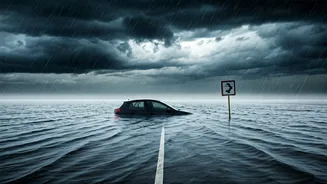
Once on the move, adjusting your driving style is paramount. The most important rule is to slow down. Increased stopping distances on wet roads mean you need more time to react. Maintain a greater distance from the vehicle in front of you. Be extremely cautious of waterlogged streets. It's often impossible to gauge the depth of standing water, which could conceal deep potholes or open manholes. Driving through just six inches of water can cause a car to stall, while a foot of water can make many vehicles float, leading to a complete loss of control. If you encounter a flooded road, the safest action is always to turn around and find an alternative route.
Special Advice for Two-Wheeler Riders
Riders of motorcycles and scooters are particularly vulnerable during the monsoon. Beyond wearing waterproof gear, extra mechanical checks are vital. Ensure your brakes are responsive, as wet conditions can reduce their effectiveness. Clean and lubricate your chain regularly, as mud and water can cause it to rust and degrade quickly. When riding, be gentle and progressive with braking, using both front and rear brakes to avoid skidding. Be mindful of slippery road markings and metal covers, and reduce speed significantly, especially around corners.
Know When to Use Public Transport
There are days when leaving your personal vehicle at home is the smartest choice. During periods of very heavy rainfall, which the India Meteorological Department (IMD) often forecasts with alerts, road transport becomes highly unreliable. While local trains and metro services can also experience disruptions, they are often a more dependable option than being stuck in traffic on a flooded street. However, be prepared for larger crowds as more people opt for public transit. Checking for service updates from railway and metro authorities before you leave can help you make an informed decision.
Pack a Basic Emergency Kit
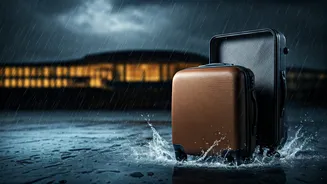
Given the high probability of delays, it's wise to keep a small emergency kit in your vehicle. This doesn’t need to be elaborate. A fully charged power bank for your phone can be a lifesaver for communication and navigation. A torch, a basic first-aid kit, a bottle of water, and some non-perishable snacks can make an unexpectedly long wait in traffic much more bearable. Keeping a dry towel or change of clothes can also provide comfort if you get wet.