


India’s Next Interplanetary Quest
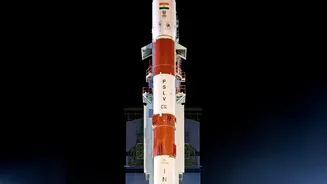
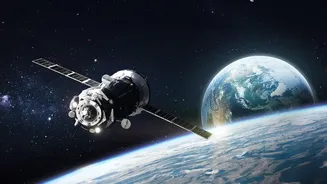
The Indian Space Research Organisation (ISRO) is advancing its interplanetary exploration capabilities with the Shukrayaan-1 mission, its first dedicated voyage to Venus. Following the celebrated successes of the Mangalyaan Mars orbiter and the Chandrayaan
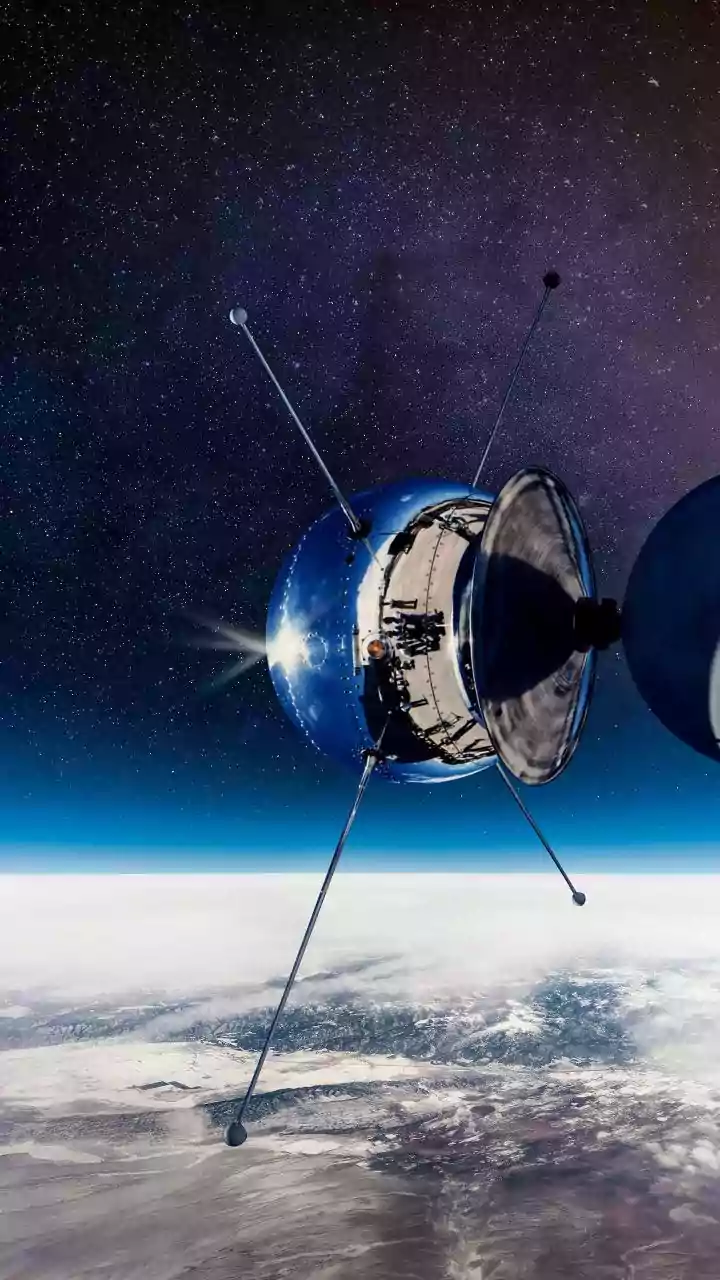
lunar missions, Shukrayaan-1 represents India's next great leap into the cosmos. The mission, which is planned for a launch in the coming years, involves sending an orbiter packed with scientific instruments to circle the second planet from the Sun. This endeavour places India in an elite group of space-faring nations that have dared to explore our enigmatic celestial neighbour, aiming to gather crucial data about its geology and unforgiving atmosphere.
Venus: Earth's Hothouse Twin
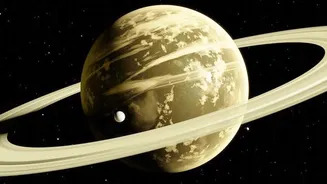
Venus is often called Earth's twin because the two planets are nearly identical in size, mass, and composition. However, their evolutionary paths diverged dramatically. Today, Venus is a hellscape, boasting the hottest surface in the solar system, with temperatures soaring to around 475°C, hot enough to melt lead. Its atmosphere is about 100 times thicker than Earth's and composed almost entirely of carbon dioxide, which has triggered a runaway greenhouse effect. Blanketing the planet is a thick, opaque layer of sulfuric acid clouds that race around the planet at high speeds, making the surface impossible to observe with conventional telescopes. It is this poisonous, crushing, and searing environment that ISRO's mission aims to unravel.
The Scientific Toolkit on Board
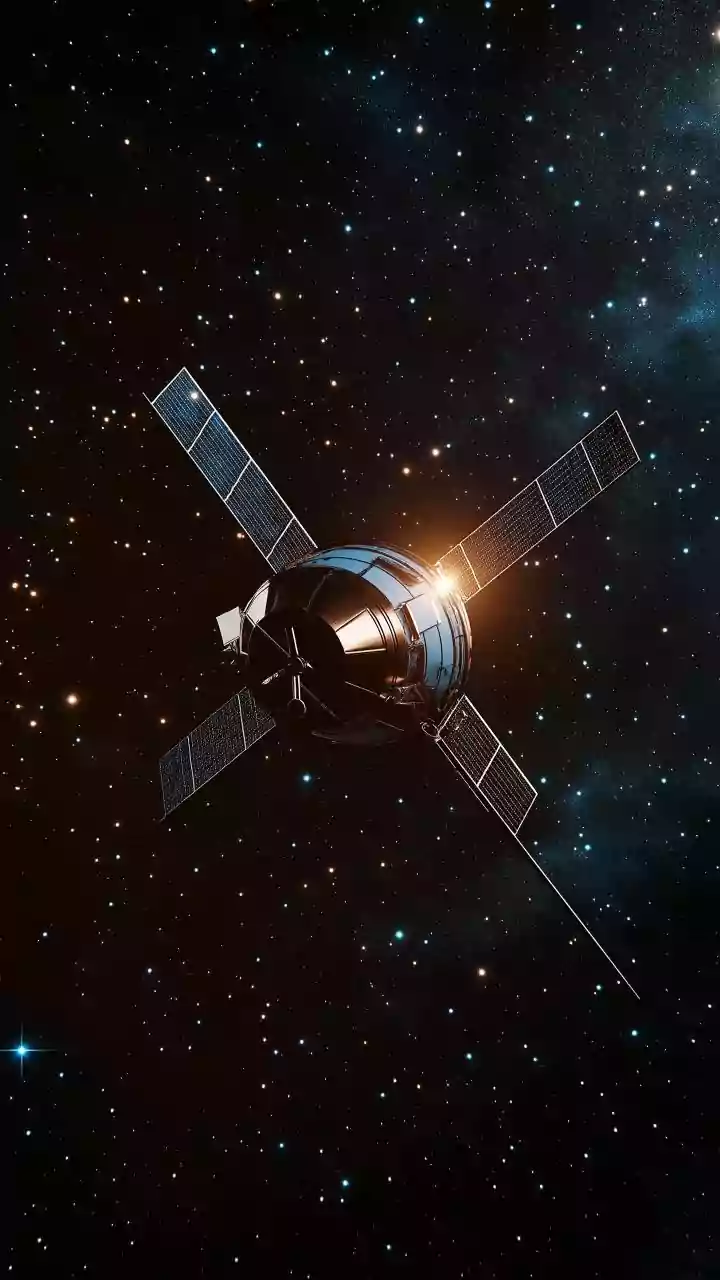
To peer through the planet's hostile clouds, Shukrayaan-1 will be equipped with a suite of advanced sensors. The centerpiece is a high-resolution Synthetic Aperture Radar (SAR), an instrument capable of penetrating the thick cloud cover to map the Venusian surface in detail. This is crucial for studying the planet's volcanic activity and unique geological features. Other key instruments will study the complex and dynamic atmosphere. These include spectrometers to analyse the atmospheric composition and thermal cameras to monitor temperature variations. An instrument co-developed with international partners is also slated to study how the solar wind interacts with the Venusian ionosphere, providing clues as to why the planet lost its water.
Peering Through the Poisonous Veil
The primary goal of these sophisticated sensors is to achieve what the headline promises: to probe the atmosphere beneath the dense sulfuric clouds. While the SAR will focus on mapping the ground, other instruments will profile the atmosphere's structure, composition, and dynamics. Scientists are eager to understand the chemistry of the sulfuric acid clouds and the behaviour of the lower atmosphere, which remains poorly understood. Some instruments are designed to detect lightning, a controversial phenomenon on Venus, while others will analyse airglow. This comprehensive atmospheric investigation will provide a holistic view of the forces shaping the Venusian environment, from the upper reaches down to the scorching surface.
Why This Cosmic Detective Work Matters
Studying Venus is not just about understanding another planet; it's also about understanding our own. The runaway greenhouse effect on Venus serves as a cautionary tale for Earth, offering a natural laboratory for studying extreme climate change. By understanding why Earth's twin took such a different path—evolving into an inhospitable furnace while Earth became a cradle for life—scientists can gain invaluable insights into planetary habitability. For India, the Shukrayaan-1 mission is a landmark project that will significantly boost its scientific and technological prowess on the global stage, cementing ISRO's reputation as a key player in planetary exploration. The discoveries from this mission could reshape our understanding of how planets like our own are formed and evolve.