


What is Astrotourism?
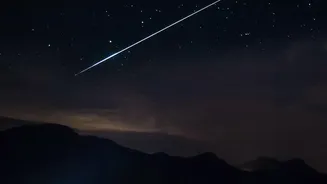
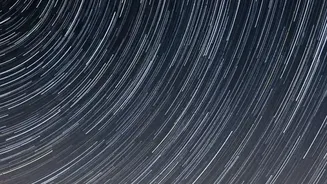
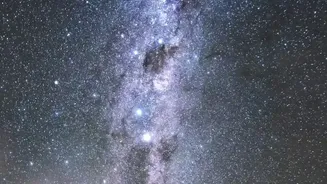
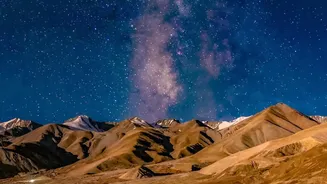
Astrotourism is travel that is centered on the night sky. It involves journeying to locations with minimal light pollution to witness celestial events and objects—like the Milky Way, meteor showers, planets, and constellations—in their full, unobscured
glory. This isn't just about owning a fancy telescope; it is about seeking out naturally dark spaces to reconnect with the cosmos. As travellers increasingly look for authentic, low-impact experiences, the appeal of a sky brimming with stars, far from the glare of urban life, has grown immensely. It combines the thrill of exploration with the profound sense of wonder that a pristine night sky inspires.
Himachal's High-Altitude Advantage
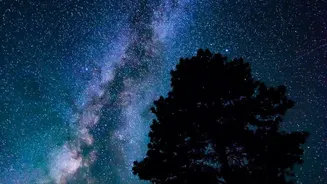
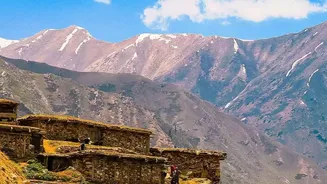
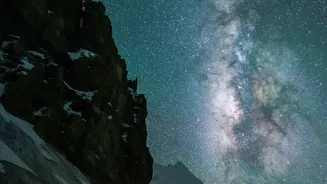
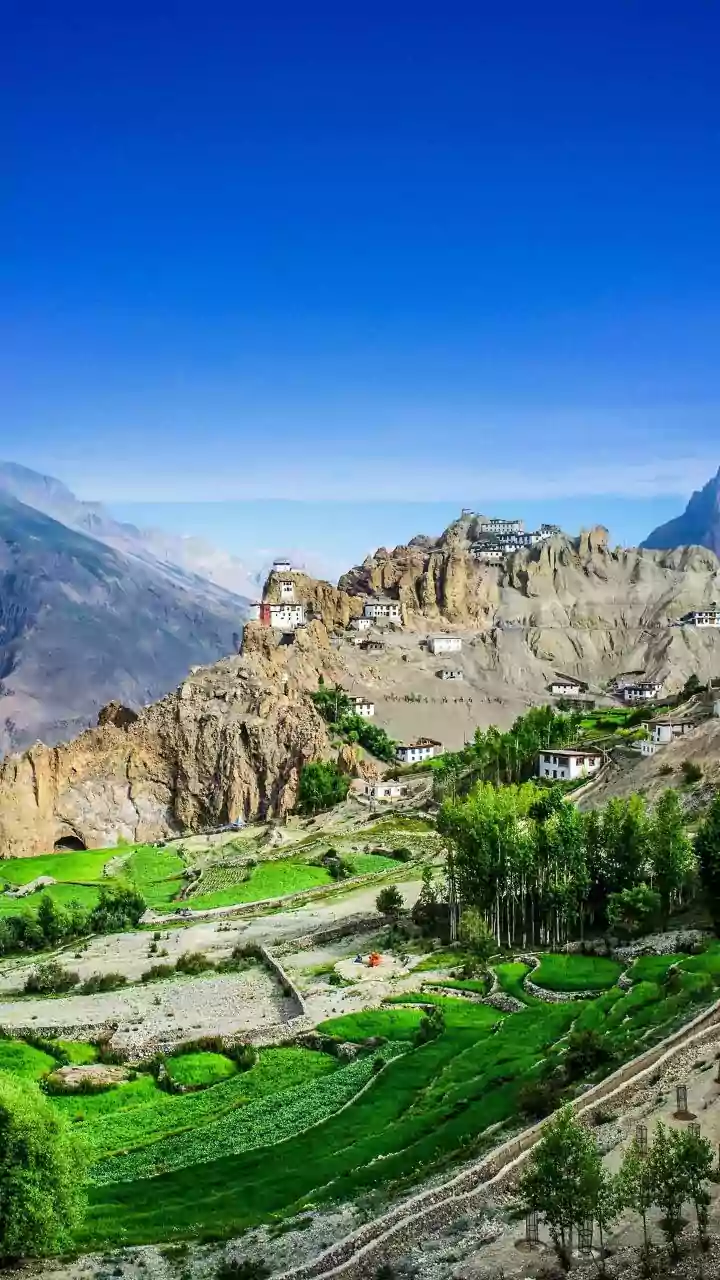
Himachal Pradesh, particularly regions like Spiti Valley, is uniquely positioned to be a world-class astrotourism destination. Several factors create this perfect cosmic storm. The high altitude, with many villages situated above 3,000 meters (around 10,000 feet), means a thinner, less turbulent atmosphere for starlight to travel through. This results in sharper, brighter views. The region's cold desert climate leads to low humidity and minimal cloud cover, especially between May and October, ensuring crystal-clear nights. Most importantly, the remoteness of these areas means they have extremely low levels of light pollution, qualifying them as some of the darkest skies in India. In places like Spiti, the sky is so dark it falls into Bortle Class 1—the darkest rating possible, where the Milky Way can be bright enough to cast a faint shadow.
Villages Under a Blanket of Stars
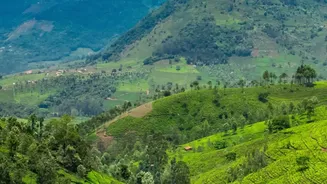
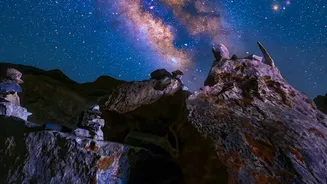
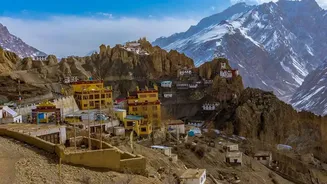
Several villages have emerged as hotspots for stargazers. In the Spiti Valley, places like Kibber, Kaza, Langza, Tabo, and Komic are legendary. Kibber, one of the highest inhabited villages in Asia, offers a stunning Himalayan backdrop for the celestial show. Langza is famous for its Buddha statue that appears to sit directly under the arc of the Milky Way, creating an iconic photo opportunity. Further afield, Chandartal Lake, the 'Moon Lake', provides a magical experience where the stars reflect on its still, high-altitude waters. Even more accessible areas like Jibhi in the Tirthan Valley offer a fantastic balance of dark skies and comfortable homestay accommodations for those not ready for the extreme altitudes of Spiti.
More Than a View: A Community Affair
What makes astrotourism in Himachal truly special is its community-centric model. This isn't about large corporations building resorts; it's about empowering local communities. Initiatives are training villagers, often women, to become astronomy guides and homestay hosts. This approach, sometimes called 'Astrostays', ensures that tourism revenue flows directly into the local economy, funding everything from personal income to community infrastructure like solar heaters. Visitors get a holistic cultural experience that goes beyond the telescope, complete with local folklore about the stars, traditional cuisine, and the warmth of a family homestay. This sustainable model creates livelihoods, preserves local culture, and gives the community a powerful incentive to protect the very darkness their new economy depends on.
Planning Your Celestial Escape
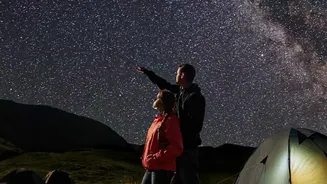
To get the most out of your stargazing trip, timing is everything. The best months are generally from May to October, when the weather is favourable and the skies are clear. For the best view of the Milky Way's bright core, aim for May and June. For the crispest, dust-free skies, September and October are ideal. Always plan your trip around the new moon, as a full moon's brightness can wash out all but the brightest stars. While some locations offer professional-grade public observatories, much of the magic can be experienced with just the naked eye. Lie back, let your eyes adjust for about 20 minutes, and prepare to be humbled by the sheer scale and beauty of the universe unfolding above you.