





The Rise of the Gourmet Fungus
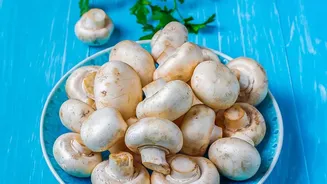
For years, the humble button mushroom dominated the Indian market. Today, a new wave of gourmet varieties like shiitake, oyster, portobello, and king oyster are appearing on menus across cities like Mumbai, Bengaluru, and Delhi. This isn't a coincidence;
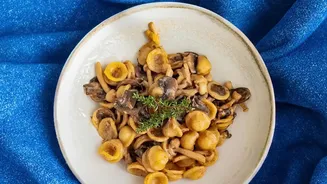
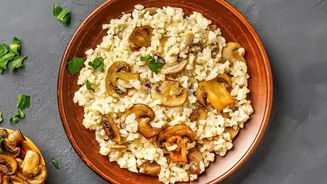
it's a reflection of a broader shift in Indian food culture, especially among younger diners. Millennials and Gen Z, exposed to global trends through travel and social media, are seeking novel flavours and textures. These mushrooms offer a rich, umami depth and a meaty texture that appeals to vegetarians, vegans, and health-conscious eaters alike. Cafes are responding by making mushrooms the star of the dish—think mushroom-centric pastas, loaded toasts, and hearty bowls, moving far beyond a simple side.
From Niche Farms to Urban Plates
This culinary trend is powered by a quiet revolution in agriculture. A growing number of entrepreneurs and farmers are now cultivating these exotic mushroom varieties locally. Farms in states like Haryana and Karnataka are experimenting with different strains, from the delicate lion's mane to the flavourful shiitake, in controlled environments. This domestic cultivation makes gourmet mushrooms more accessible and affordable for restaurants and cafes, breaking their reliance on expensive imports. The result is a thriving farm-to-table ecosystem where fresh, high-quality fungi can travel from a local farm to a city cafe in a short time, ensuring chefs have the best ingredients to work with. This local supply chain is crucial to sustaining the entire boom.
Why Young India is Obsessed
The driving force behind this boom is unequivocally India's youth. For Gen Z and millennials, food is an experience to be shared and documented. A beautifully plated mushroom dish is not just a meal; it's content. Beyond aesthetics, there's a strong wellness component. Young consumers are more conscious of what they eat, seeking out nutrient-dense and plant-based alternatives. Mushrooms fit perfectly into this narrative, celebrated for their health benefits and sustainable credentials. This generation is adventurous, willing to try new things and spend on premium experiences, which has allowed specialty cafes to flourish. Their demand for something new, coupled with their spending power, has created the perfect environment for the mushroom café trend to take root and grow.
A Different Kind of 'Mushroom Cafe'
However, the term 'mushroom café' can have a dual meaning, and it’s important to distinguish between the two. In certain tourist pockets and whispered conversations, it can be code for establishments that discreetly offer 'magic mushrooms' containing the psychoactive compound psilocybin. These are not the gourmet eateries found in major cities. They operate in a legal grey area, primarily catering to a subculture seeking psychedelic experiences. While this scene exists, it's worlds apart from the culinary movement transforming urban dining.
The Legal and Safety Reality
It is critical to understand the legal distinction. While culinary mushrooms are celebrated, psilocybin and psilocin are listed as psychotropic substances under India's Narcotic Drugs and Psychotropic Substances (NDPS) Act. Possession, sale, and consumption of magic mushrooms remain a criminal offense. Recent court rulings have created some ambiguity, distinguishing between the mushroom as a fungus and the isolated chemical compound, but this has not legalized the substance. Engaging with the underground 'magic mushroom' scene carries significant legal risks and health concerns due to the lack of regulation and quality control. The culinary boom is a legitimate, exciting development in India's food scene, while the psychedelic sub-trend operates firmly in the shadows of the law.