




What Exactly Is El Niño?
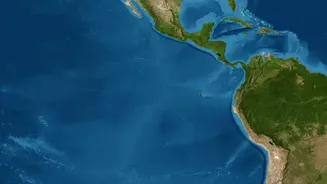
El Niño, which means 'The Little Boy' in Spanish, is a naturally occurring climate pattern. It’s defined by the unusual warming of surface waters in the central and eastern equatorial Pacific Ocean. This isn't just a minor temperature shift; it can be
a significant increase that lasts for many months. This warming is the key component of a broader cycle called the El Niño-Southern Oscillation (ENSO), which swings between warm (El Niño), cool (La Niña), and neutral phases. Normally, strong trade winds blow from east to west across the Pacific, pushing warm surface water towards Asia and Australia. During an El Niño event, these winds weaken. As a result, the massive pool of warm water shifts eastward, back toward the coast of South America. This change might seem distant, but it sets off a chain reaction in the atmosphere that alters weather patterns worldwide.
The Monsoon Connection
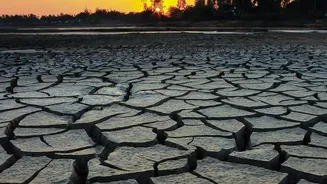
India's southwest monsoon is a complex system, but at its heart, it’s a giant sea breeze driven by temperature and pressure differences between the Indian subcontinent and the surrounding oceans. El Niño disrupts this delicate balance. The warming of the Pacific Ocean changes the typical air circulation patterns, including a major one known as the Walker Circulation. This disruption weakens the atmospheric engine that pulls moisture-laden winds from the ocean towards India. The result is a tendency for suppressed rainfall during the monsoon months of June to September. This can manifest as a delayed onset of the monsoon, long dry spells, or a significant deficit in total rainfall. Historically, many of India's most severe drought years have coincided with strong El Niño events.
Impact on Fields and Farms
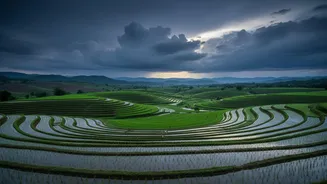
The most direct impact of a weakened monsoon is on agriculture. Nearly half of India’s farmland is rain-fed, making millions of farmers entirely dependent on the monsoon for their livelihoods. The June-to-September period is crucial for the sowing and growth of kharif (summer) crops like rice, pulses, soybeans, cotton, and maize. Insufficient or poorly distributed rainfall can lead to delayed sowing, lower crop yields, and in severe cases, crop failure. Rice is particularly vulnerable as it requires substantial water during its growth phases. Other crops like jowar, bajra, and various pulses have also historically seen significant production drops during El Niño years. This not only reduces farmers' incomes but also creates fodder shortages for livestock, adding another layer of economic stress in rural areas.
The Economic Ripple Effect
The consequences of a poor monsoon extend far beyond the farm gate, affecting the entire Indian economy. Lower agricultural output directly leads to food inflation, as reduced supply struggles to meet consistent demand. This means higher prices for vegetables, grains, and pulses in your local market. Weaker rural incomes also dampen demand for consumer goods, from tractors to everyday household items, slowing down broader economic activity. Furthermore, deficient rainfall depletes reservoirs, which impacts drinking water supplies and the generation of hydropower. This can, in turn, increase the demand for electricity from other sources, putting a strain on the power grid, especially during hotter-than-usual conditions often associated with El Niño years.
Is Every El Niño a Disaster?
While the connection is strong, it's important to note that not every El Niño year automatically results in a drought in India. The relationship is a matter of probability, not certainty. Other climate factors can play a crucial role. For instance, a phenomenon known as the Indian Ocean Dipole (IOD), which involves temperature differences in the Indian Ocean, can sometimes counteract El Niño's negative effects. A 'positive' IOD can help strengthen the monsoon, even during an El Niño year. Furthermore, advancements in agriculture, such as increased irrigation cover for crops like rice and the use of drought-tolerant seed varieties, have helped build some resilience against erratic rainfall over the years.