



Why Homemade Masalas Reign Supreme
Store-bought spice blends are convenient, but they often can't compare to the vibrant, potent aroma of a homemade masala. When you make your own, you control everything. You start with whole spices, which retain their essential oils and flavour far longer
than pre-ground versions. Toasting them right before grinding awakens these oils, releasing a depth of fragrance that pre-packaged powders lose over time. Furthermore, you can guarantee there are no fillers, anti-caking agents, or preservatives—just pure, unadulterated spice. Making masalas in small batches ensures every spoonful is at its peak freshness, turning a simple dish into something truly special.
Your Basic Spice-Grinding Toolkit
You don't need a professional setup to start making your own masalas. A good, clean coffee grinder dedicated solely to spices is the most efficient tool for the job. A mortar and pestle works beautifully too, offering a more traditional, hands-on approach. The only other essential is a heavy-bottomed pan for toasting. As for ingredients, a well-stocked pantry is your best friend. Key players in many Indian masalas include cumin seeds, coriander seeds, black peppercorns, cloves, cinnamon sticks, and cardamom pods. Having these on hand will allow you to create a wide variety of foundational blends.
Recipe 1: All-Purpose Garam Masala
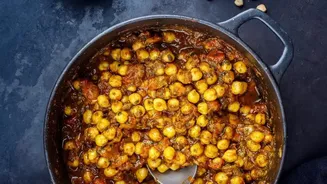
Garam Masala, meaning 'warm spice blend', is perhaps the most famous Indian masala. Its profile is aromatic and warming, rather than overtly spicy. To make a simple, versatile batch, dry roast 2 tablespoons of coriander seeds, 1 tablespoon of cumin seeds, 1 teaspoon of black peppercorns, a 2-inch cinnamon stick, 1/2 teaspoon of whole cloves, and the seeds from 4-5 green cardamom pods in a pan over low heat until fragrant, about 3-4 minutes. Let them cool completely before grinding to a fine powder. How to Use It: This is your go-to finishing spice. Stir a teaspoon into a one-pot lentil curry (dal), a simple vegetable sabzi, or chana masala just before serving to add a final burst of incredible aroma.
Recipe 2: Fragrant South Indian Sambar Powder
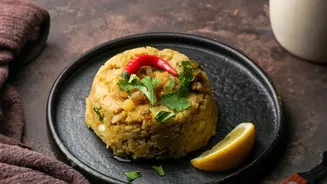
Sambar powder is the heart of the eponymous South Indian lentil and vegetable stew. It has an earthy, tangy, and slightly spicy flavour profile, thanks to the inclusion of roasted lentils. For a homemade version, dry roast 1/4 cup of coriander seeds, 8-10 dry red chillies, 1 tablespoon of chana dal (split Bengal gram), and 1 tablespoon of toor dal (split pigeon peas) on low heat until the dals turn golden and aromatic. Add 1 teaspoon of cumin seeds and 1/2 teaspoon of fenugreek seeds and roast for another minute. Cool everything down, then grind into a powder, adding 1/4 teaspoon of turmeric and a pinch of asafoetida (hing) during the final grind. How to Use It: Elevate a simple one-pot vegetable and rice dish (like a Bisi Bele Bath) by cooking the rice and vegetables with a few tablespoons of this masala. It's also perfect for making a quick one-pot sambar with leftover vegetables from your fridge.
Recipe 3: Robust Pav Bhaji Masala
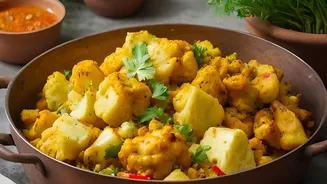
This is the iconic flavour behind Mumbai's famous street food. It's a complex and robust blend designed to make mashed vegetables sing. To make it, dry roast 4 tablespoons of coriander seeds, 2 tablespoons of cumin seeds, and 1 tablespoon of fennel seeds until fragrant. In the same pan, lightly toast a 2-inch piece of cinnamon, 2 black cardamoms, 8-10 cloves, and 2 bay leaves. Let all the spices cool completely. Grind them to a fine powder, then mix in 2 tablespoons of amchur (dry mango powder) for tang, 2 tablespoons of Kashmiri red chilli powder for colour, and 1/2 teaspoon of dry ginger powder. How to Use It: While traditionally for pav bhaji, this masala is fantastic for jazzing up a one-pot 'tava pulao' made with leftover rice and finely chopped vegetables. You can also add a tablespoon to a simple one-pot potato and pea curry to give it a delicious street-food twist.