


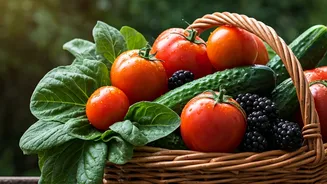



Jamun (Indian Blackberry)
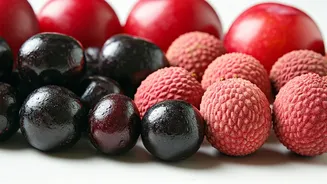
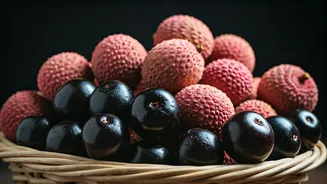
The quintessential monsoon fruit, Jamun, is a true star of July markets. Its deep purple colour and unique sweet-tart flavour are a seasonal highlight. Because it is harvested from June to August, Jamun is plentiful and at its most affordable during this
time. This fruit is more than just a tasty treat; it is a nutritional powerhouse. Jamun is celebrated for its ability to help regulate blood sugar levels. It is also rich in iron and Vitamin C, which helps boost haemoglobin and strengthen the immune system, fighting off the fatigue and common infections associated with the rainy season. When shopping, look for plump, dark purple berries with smooth, unbroken skin. They should feel firm, not mushy. Enjoy them fresh with a sprinkle of black salt to balance the tangy flavour.
Plums (Aloo Bukhara)
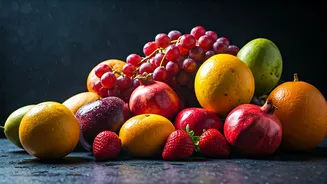
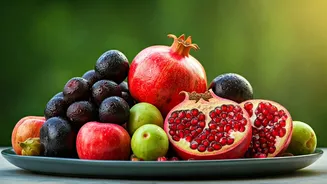
July is the perfect time to enjoy the sweet and tangy taste of Indian plums, locally known as Aloo Bukhara. These reddish-blue stone fruits arrive with the monsoon and offer excellent value. Plums are a great choice for health-conscious consumers as they are low in calories but rich in essential nutrients. They are particularly known for aiding digestion and relieving constipation, thanks to their high fibre content and natural compounds like sorbitol. Plums are also a good source of potassium and antioxidants, which support heart health by helping to control blood pressure. For the best value, select plums that are firm to the touch with vibrant, smooth skin. They can be eaten fresh, added to salads, or used to make delicious chutneys and sauces that perfectly capture their unique sweet-and-sour profile.
Peaches (Aadu)
Juicy, fragrant peaches, or Aadu, are another fruit that hits its peak in July, especially those grown in the cooler northern states like Himachal Pradesh and Uttarakhand. Their harvest season, running from May to July, ensures they are fresh and reasonably priced. Peaches are packed with Vitamin C and Vitamin A, making them excellent for skin health and boosting immunity. Their antioxidant content also helps protect the body from seasonal illnesses that are common during the monsoon. When selecting peaches, look for a fragrant aroma and skin that has a creamy or yellowish background colour. A ripe peach will yield slightly to gentle pressure. They are delicious on their own but also make a wonderful addition to desserts, smoothies, and breakfast bowls.
Litchis
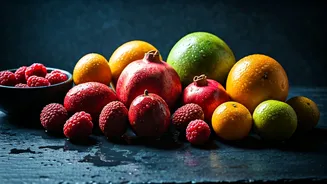
While the peak litchi season begins in May, July offers the last chance to savour these sweet, translucent gems. As the season winds down, you can often find good deals from vendors looking to sell the last of their harvest. Litchis are an excellent source of Vitamin C, a powerful antioxidant that strengthens the immune system and helps fight infection. They also provide essential minerals like potassium and copper, which contribute to heart health and overall well-being. Look for litchis with bright reddish-pink skin, avoiding those with brown patches or blemishes. The fruit should feel firm and heavy for its size. Peel them to reveal the juicy flesh and enjoy a burst of refreshing, floral sweetness.
Cherries
Cherries have one of the shortest seasons, running from mid-May to early July. This makes the beginning of the month your final opportunity to buy them fresh and at their best price. These small, vibrant fruits are packed with antioxidants and anti-inflammatory compounds that help protect your cells from damage. They are also known to help improve sleep quality, making them a great evening snack. When buying cherries, look for those that are plump, firm, and have a deep, rich colour. Their stems should still be attached and green, which is a sign of freshness. Enjoy them as a quick snack, or pit them to use in pies, jams, or as a topping for yogurt.