



A Treasure Trove of 'Bhaji'
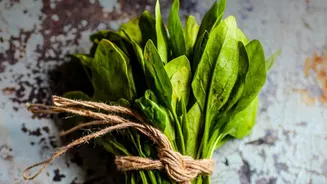
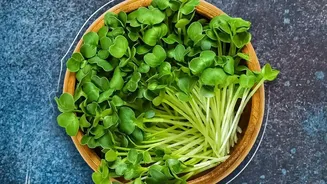
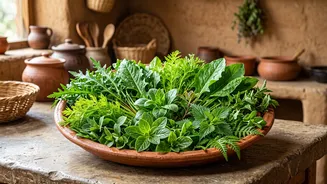
In the forests, farmlands, and grasslands of states like Jharkhand, Chhattisgarh, and Odisha, tribal communities have foraged for wild edible plants for millennia. Known locally and collectively as 'bhaji' or 'saag', these greens are a cornerstone of their
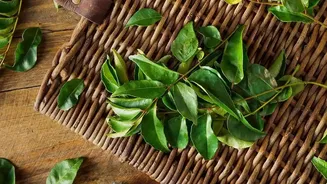
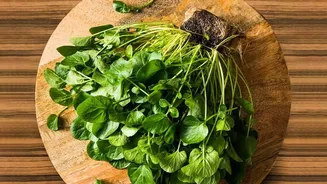
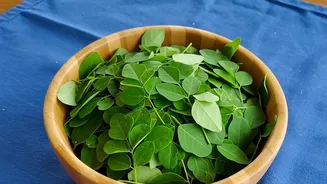
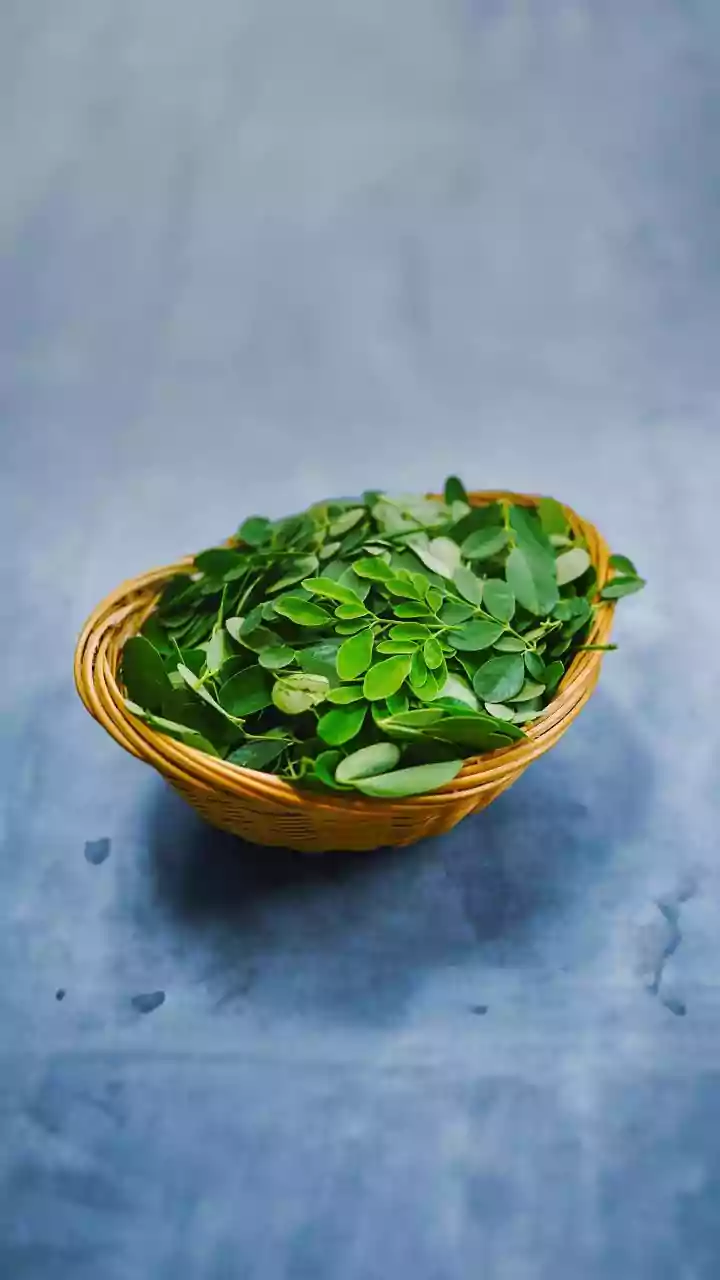
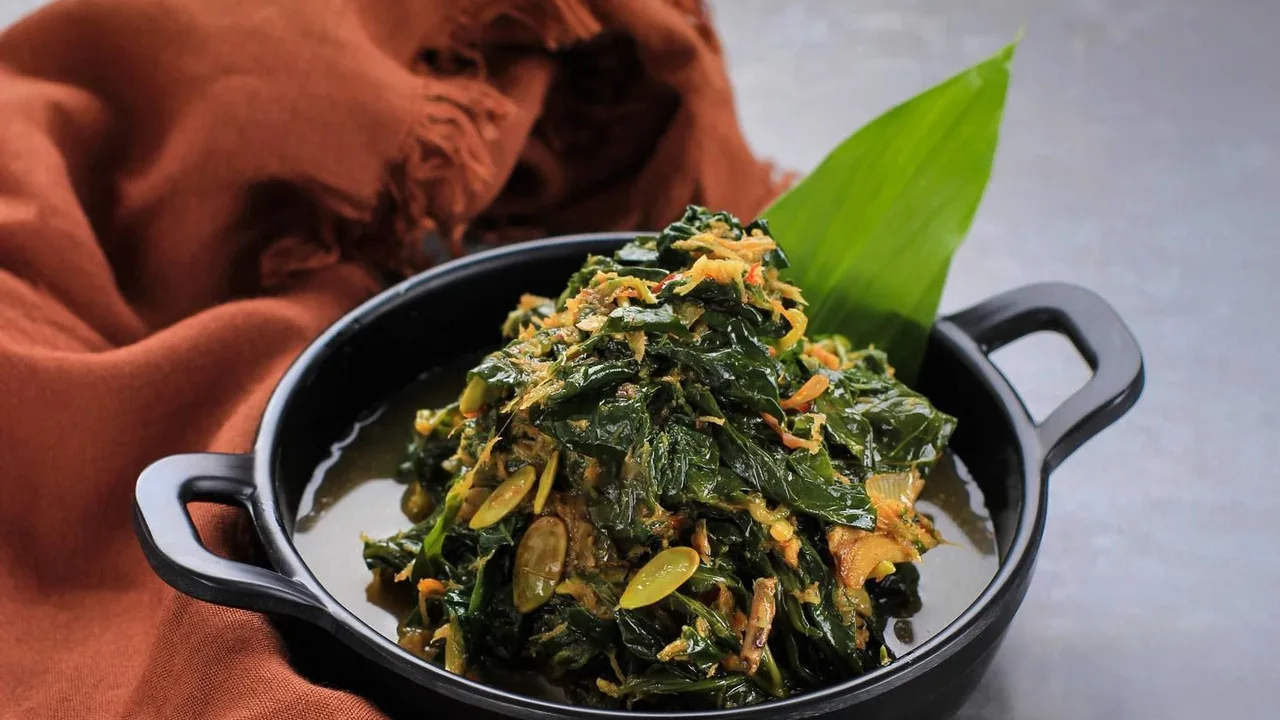
diet, culture, and traditional medicine. Studies have documented dozens of species used by communities like the Gond, Munda, and Santhal, from the tender leaves of trees to seasonal herbs that spring up during the monsoon. These are not forgotten foods; they are actively gathered and often sold in local markets, providing both nutritional security and supplemental income. Popular examples include chakoda (Cassia tora), munga (moringa), and beng saag (Centella asiatica), each with a unique flavour and use.
Nutritional Powerhouses of the Wild
The headline claim of 'unmatched' benefits is not an exaggeration. Scientific analyses consistently show that many of these wild greens contain significantly higher concentrations of essential micronutrients than their cultivated cousins. For instance, studies on various wild species from Central India reveal superior levels of protein, crude fibre, and vital minerals. One analysis found that the iron content in some wild greens, like Trianthema monogyna, can be exceptionally high, reaching up to 397 mg/100g. Similarly, calcium levels in greens such as Sesbania grandiflora can be several times higher than in commercially grown vegetables. They are also potent sources of vitamins like Vitamin A and C, and critical antioxidants that help combat cellular stress.
The Science of Scarcity and Survival
Why are these wild plants so nutritionally dense? The answer lies in their struggle for survival. Unlike farmed vegetables, which are often bred for size, yield, and a milder taste, wild plants are not pampered. They must defend themselves against pests, diseases, and harsh environmental conditions without the aid of pesticides or fertilizers. To do this, they produce a higher concentration of protective bioactive compounds, including antioxidants, flavonoids, and alkaloids. This evolutionary toughness results in a plant that is packed with more minerals, vitamins, and phytochemicals per gram. Their deep root systems can also draw minerals from the soil that are less available to shallow-rooted commercial crops.
A Legacy of Indigenous Knowledge
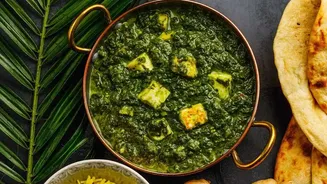
The use of these greens is intrinsically linked to the deep ecological knowledge of Adivasi communities. This knowledge, passed down through generations, dictates which plants are edible, when they should be harvested, and how they should be prepared—sometimes cooked as a 'saag', dried for later use, or made into pickles and chutneys. This tradition represents a sustainable and biodiverse food system that works in harmony with natural cycles. More than just a source of nutrition, these plants are part of a cultural identity, connecting communities to their ancestors and their land. However, this invaluable traditional knowledge is under threat from deforestation, urbanisation, and a shift towards modern diets among younger generations.
Lessons for Our Modern Plates
In an era of 'hidden hunger', where micronutrient deficiencies are a widespread public health concern, these indigenous greens offer a powerful, locally sourced solution. They represent a vast, underutilised genetic resource that could be key to diversifying our diets and improving national food security. Promoting the conservation and sustainable cultivation of these plants does more than just preserve biodiversity; it honours and protects the traditional knowledge of the communities who have been their custodians. By recognising the immense value of these 'weeds', we can learn to build a more resilient and nutritious food future for all, inspired by the wisdom of India's original inhabitants.