





Rethink Grapes, Grab Berries
Grapes are a wonderfully convenient and sweet snack, but that sweetness comes at a cost. They are high in sugar and relatively low in fiber, which can lead to a quick spike in blood sugar followed by a crash. A single cup of grapes can pack over 23 grams
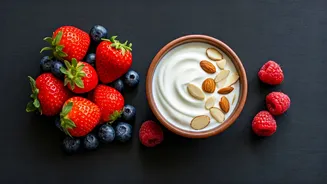
of sugar—more than a glazed donut. Instead, reach for a bowl of mixed berries like raspberries, blueberries, or strawberries. A cup of raspberries, for instance, contains only about 5 grams of sugar but provides a whopping 8 grams of dietary fiber. This high fiber content helps slow down sugar absorption, providing more stable energy. Berries are also antioxidant powerhouses, loaded with compounds that fight inflammation and support cellular health. Blueberries, in particular, are famed for their brain-boosting benefits.
Swap Tropical Mango for Kiwi
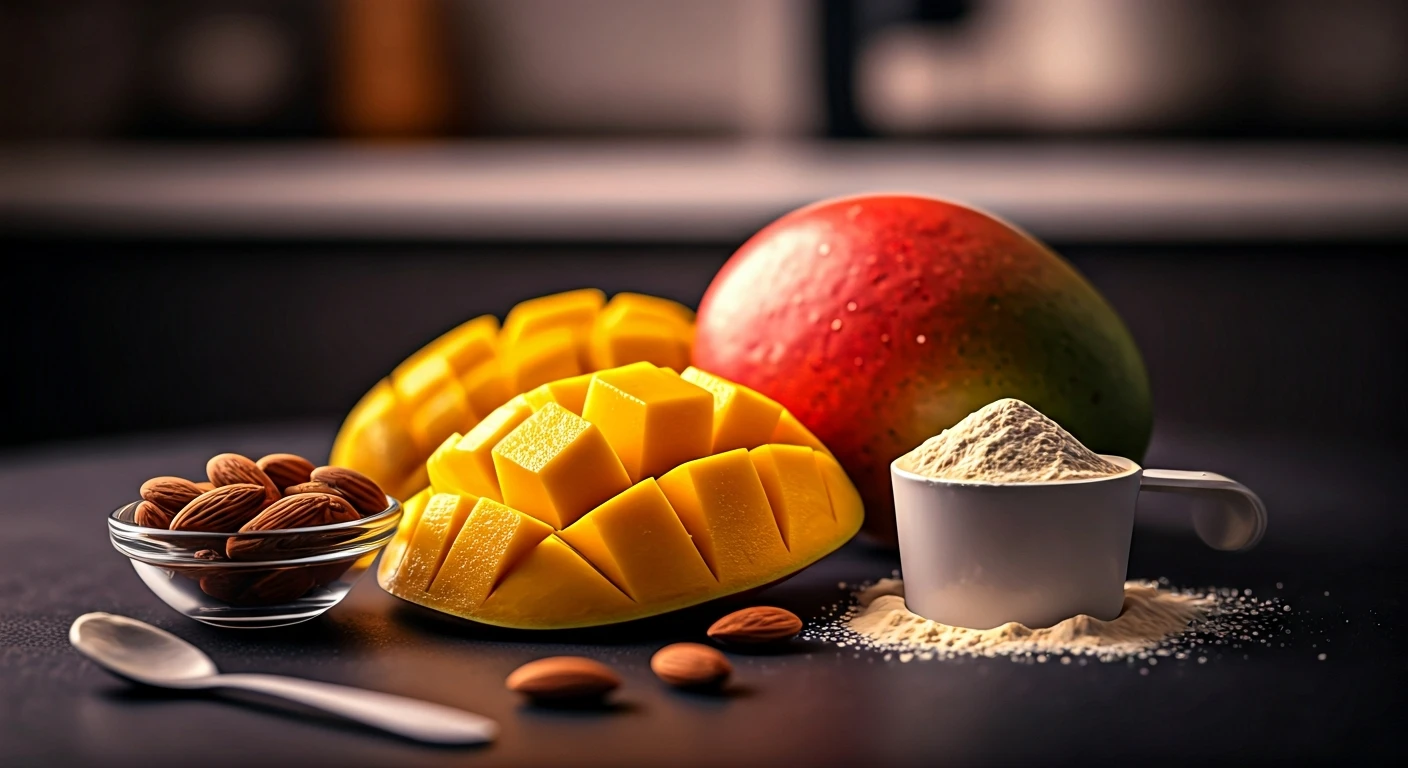
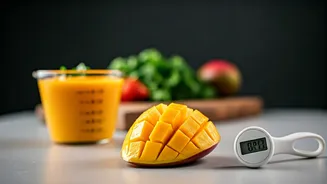
Mangoes are delicious, but they are one of the most sugar-dense fruits you can find. A single cup of chopped mango contains around 22 grams of sugar. While they do offer a good dose of Vitamin A and C, their high sugar-to-fiber ratio makes them a less-than-ideal choice if you're watching your sugar intake.
For a tropical fix with a better nutritional profile, try kiwi. Two medium kiwis have about half the sugar of a cup of mango and significantly more fiber. What’s more, that same serving of kiwi provides over 200% of your daily recommended Vitamin C, a powerful antioxidant that supports immune function and skin health. Kiwis also contain actinidin, a natural enzyme that can aid in protein digestion.
Go Easy on Cherries, Choose Plums
Sweet cherries are another fruit where the sugar can add up quickly. A cup of pitted sweet cherries has nearly 20 grams of sugar. They are often eaten by the handful, making it easy to consume a large amount of sugar in one sitting without the fullness cues you’d get from a more fibrous fruit.
As a smarter alternative, consider plums. A couple of medium-sized plums have less than half the sugar of a cup of cherries and offer a good source of fiber to support digestive health. Plums also contain sorbitol, a sugar alcohol that has a mild laxative effect, which can be beneficial for regularity. If you love the flavor of cherries, look for tart or Montmorency cherries (often found frozen or as juice concentrate), which are lower in sugar and have been studied for their potent anti-inflammatory properties.
Limit Ripe Bananas, Prioritize Apples
Bananas are a go-to for quick energy, but their nutritional value changes dramatically as they ripen. A very ripe banana with brown spots has a higher glycemic index because its starches have converted to simple sugars. This can cause a faster rise in blood sugar, making it less ideal for sustained energy.
For a more balanced snack, an apple is a fantastic choice. Apples, especially with the skin on, are packed with soluble fiber and pectin, which promote gut health and help stabilize blood sugar. They provide a satisfying crunch and a slower release of energy, keeping you full and focused for longer. While a less-ripe, slightly green banana is a better choice than a fully ripe one, an apple consistently offers a superior fiber-to-sugar ratio.
Ditch the Fruit Juice, Eat the Whole Fruit
Perhaps the most important swap of all is to replace fruit juice with its whole-fruit counterpart. When fruit is juiced, all of its beneficial fiber is stripped away, leaving you with what is essentially a glass of sugar water with some vitamins. Without fiber to slow digestion, this sugar hits your bloodstream almost instantly, leading to energy spikes and crashes.
A single 8-ounce glass of apple juice can contain 24 grams of sugar and virtually no fiber, while a medium apple has around 19 grams of sugar but also over 4 grams of valuable fiber. Chewing the whole fruit also promotes satiety, meaning you'll feel fuller and be less likely to over-consume calories. If you're craving a refreshing drink, try infusing water with slices of lemon, cucumber, and mint instead.