






Move Your Body, Boost Your Brain
Physical activity is not just for heart health; it is one of the most effective things you can do for your brain. When you engage in regular exercise, you increase blood flow and oxygen to the brain, which is crucial for its function. This process supports
the growth of new neural connections and can even increase the size of the hippocampus, a part of the brain essential for learning and memory. Activities that get your heart rate up, like brisk walking, swimming, or dancing, are particularly beneficial. But you don’t need to run a marathon; studies show that aiming for about 150 minutes of moderate activity a week can make a significant difference, reducing the risk of cognitive decline. Movement also releases chemicals like dopamine and endorphins, which improve mood and reduce stress, creating a healthier overall environment for your brain to thrive.
Fuel Your Mind With the Right Foods
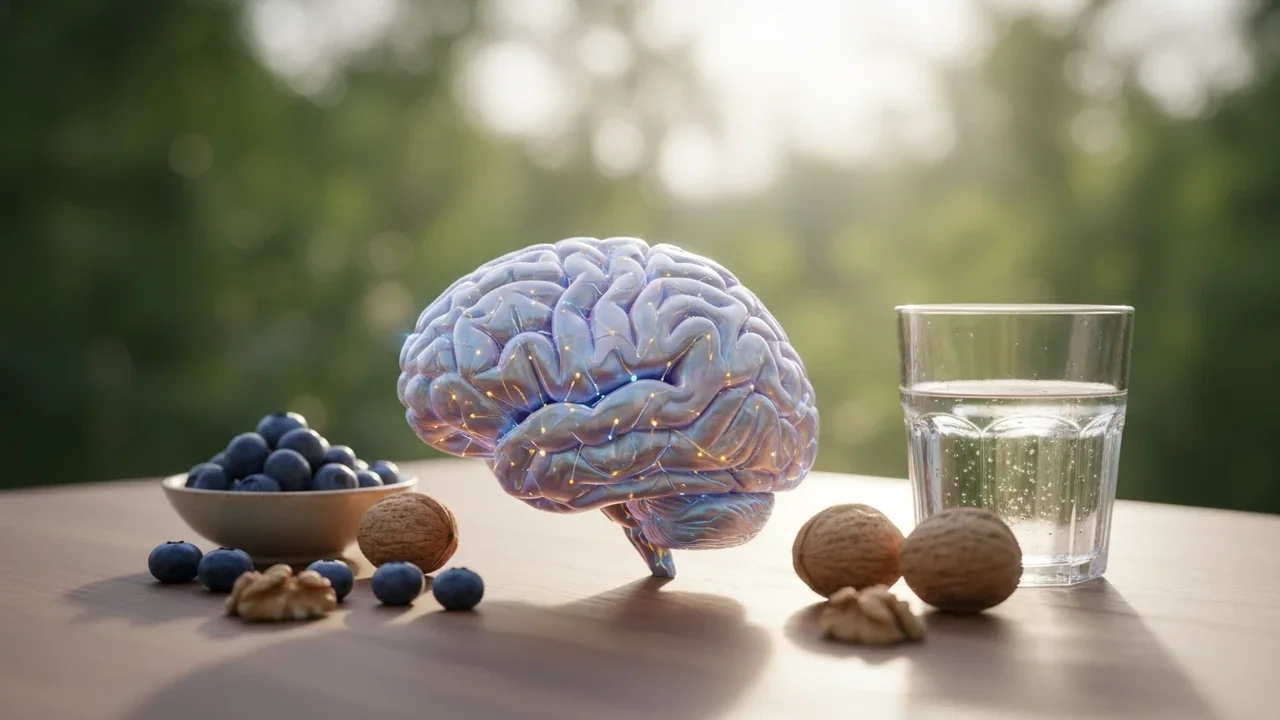
The food on your plate has a direct link to the clarity in your head. While no single superfood is a magic bullet, a consistent pattern of healthy eating provides powerful protection. Diets rich in fruits, vegetables, whole grains, and healthy fats, such as the MIND or Mediterranean diets, are consistently linked to better cognitive function and a lower risk of decline. Leafy greens, berries, nuts, and fish provide antioxidants and omega-3 fatty acids that fight inflammation and support brain cell structure. For example, the omega-3 fatty acid DHA is a critical building block for the brain, essential for efficient function and learning. It’s less about a restrictive diet and more about a dietary pattern that prioritises whole, unprocessed foods to give your brain the nutrients it needs to perform at its best.
Prioritise High-Quality Sleep
Sleep is not a passive state of rest; it is an active and essential maintenance period for the brain. During deep sleep, your brain works hard to consolidate memories, moving information from short-term to long-term storage. It is also when a unique cleanup process occurs, flushing out toxins and waste products that can build up during waking hours. Chronic sleep deprivation impairs attention, concentration, and decision-making abilities. Most adults need seven to nine hours of quality sleep per night. Fragmented or insufficient sleep disrupts these vital processes and can affect your mood and emotional regulation. Establishing a consistent sleep schedule and a relaxing bedtime routine helps ensure your brain gets the restorative time it needs to function optimally the next day.
Stay Curious and Keep Learning
The brain thrives on novelty and challenge. Much like a muscle, it benefits from being exercised. Challenging your mind by learning a new skill, whether it's a musical instrument, a new language, or a complex game, can help build what is known as "cognitive reserve." This reserve is like the brain's resilience fund, helping it adapt and resist age-related changes more effectively. Higher education and lifelong learning are strongly associated with a reduced risk of cognitive decline. The key is to step outside of your comfort zone and engage in activities that are mentally stimulating and require focus. This doesn't have to be formal education; taking a class at a community centre, trying a new hobby, or even working on a challenging puzzle can provide the necessary stimulation to keep your neural circuits strong and adaptable.
Nurture Your Social Connections
Humans are social creatures, and our brains reflect that. Meaningful social interaction is a powerful form of mental exercise. Engaging in conversation requires you to listen, process information, and access memories, stimulating multiple areas of the brain. Research consistently shows that people with strong social ties tend to have better cognitive function and a lower risk of dementia. Socialising also provides crucial emotional support, which helps buffer the damaging effects of stress on the brain. Feelings of loneliness, in contrast, are linked with a faster rate of cognitive decline. Nurturing your relationships with friends, family, and community isn't just good for your heart; it’s a fundamental component of maintaining a healthy, resilient mind throughout your life.