





What’s Driving This Dairy Disruption?
The primary driver is a nationwide pivot towards health and wellness. Indian consumers, particularly in urban areas, are more health-conscious than ever before. This isn't just about cutting down on unhealthy foods but actively seeking out 'functional
foods'—products that offer specific health benefits. With a rising awareness of the importance of protein and gut health, Greek yoghurt and probiotic dairy have found a receptive audience. Consumers are willing to pay a premium for products they perceive as beneficial, and these dairy options fit perfectly into that mindset. This shift is amplified by busy urban lifestyles that demand convenient, nutritious options. A cup of Greek yoghurt is an easy, protein-packed breakfast or snack, while a probiotic drink is a quick way to support digestive wellness.
Greek Yoghurt vs. Traditional Dahi
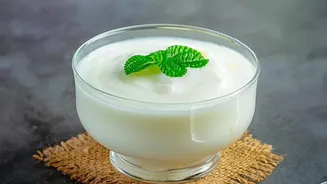
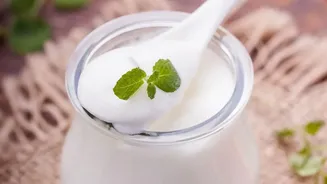
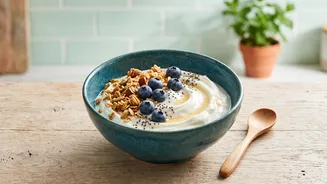
So, what exactly is the difference? While both start with milk, the process diverges significantly. Greek yoghurt is strained multiple times to remove most of the liquid whey. This process results in a much thicker, creamier product with nearly double the protein content of traditional dahi. It also reduces the amount of carbohydrates and natural sugars (lactose), giving it a tangier taste. Our beloved homemade dahi, on the other hand, retains its whey, is lighter in texture, and can have a wider variety of beneficial bacteria depending on the starter culture used. Many Indians are familiar with this distinction through 'hung curd' or 'chakka', which is essentially homemade Greek yoghurt. The choice isn't about one being definitively 'better,' but about different nutritional profiles for different needs. Greek yoghurt offers a consistent protein boost, while dahi provides its own unique probiotic goodness.
The Rise of Gut Health and Probiotics
The term 'probiotics'—live beneficial bacteria that support gut health—has entered the mainstream Indian vocabulary. The Indian probiotics market is experiencing rapid growth, projected to expand at a compound annual growth rate (CAGR) of over 14%. This surge is largely driven by dairy products, which serve as an effective vehicle for delivering these microbes. Brands like Yakult Danone, Amul, and Nestlé have been actively marketing probiotic drinks and yoghurts, linking them to improved digestion and immunity. This focus on the gut microbiome is a global trend that has found fertile ground in India, where consumers are increasingly looking for preventive health solutions. Probiotic foods and drinks are seen as an easy, daily step towards maintaining overall wellness.
Key Brands Shaping the Market
This dairy evolution is being led by a mix of homegrown startups and established giants. Epigamia, an Indian brand, is widely credited with pioneering the Greek yoghurt category for the mass market. They made it accessible and appealing with various flavours. On the other side, dairy behemoth Amul entered the fray with a strategy to make Greek yoghurt more affordable and available beyond major metros, leveraging its vast distribution network to great effect. International players like Nestlé, Danone, and Mother Dairy are also significant contenders, offering their own lines of Greek and probiotic yoghurts. The presence of these major brands has not only increased product availability through supermarkets and quick commerce apps but has also legitimized the category in the eyes of the everyday shopper.
Beyond the Metros and Into the Future
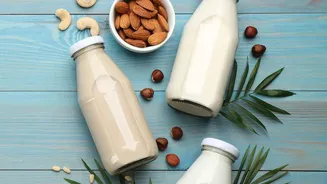
While this trend was initially concentrated in Tier-1 cities, the expansion has begun. Thanks to the distribution muscle of companies like Amul and improved cold-chain logistics, these value-added dairy products are finding their way onto shelves in Tier-2 and Tier-3 cities. This geographic expansion is seen as the next major growth phase for the market. Looking ahead, the innovation isn't stopping. The market is already seeing the emergence of even more specialised products. High-protein yoghurts, lactose-free options, and even plant-based probiotic products made from coconut or soy are beginning to appear, catering to an even wider range of dietary needs and preferences. The simple dairy aisle is transforming into a sophisticated hub of functional nutrition.