




The Rise of the Walkable Street
In cities all over the world, a clear trend is emerging: the most desirable urban spaces are the ones you can comfortably explore on foot. The latest 'coolest streets' list, an annual ranking compiled by Time Out, celebrates thoroughfares that prioritize
people over cars, creating vibrant hubs for culture, food, and community. This year's list highlights a growing global movement towards creating more livable, human-scaled cityscapes. These streets are not just transport corridors but destinations in their own right, where locals and visitors can discover independent businesses, enjoy open-air dining, and soak up the unique character of a neighbourhood. The criteria for 'coolness' in 2026 clearly favour places with a palpable buzz, where new, creative energy coexists with long-standing local traditions.
Bangkok's Song Wat Road Takes the Crown
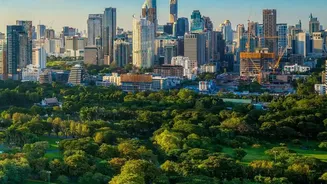
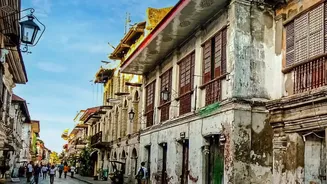
Topping the 2026 list is Song Wat Road in Bangkok, a historic trading street running alongside the Chao Phraya River. Once a district of sleepy warehouses, it has been reborn as a creative hotspot. Century-old shophouses now contain a mix of specialty coffee shops, art galleries, and innovative restaurants, all while traditional businesses continue to thrive. This blend of old and new is a key part of its charm. A local business collective called Made in Song Wat has been instrumental in this revival, growing from 10 to 60 members and organising community events that have helped transform the street into a bustling destination.
Global Contenders: From London to Buenos Aires
The rest of the top five showcases a diverse array of urban experiences. In second place is Golborne Road in West London, celebrated for its multicultural community and vibrant mix of Portuguese cafes and Moroccan restaurants. It’s praised for having a unique soul that has developed over time, distinct from fleeting trends. Third on the list is Fernández de Enciso in Buenos Aires, a tree-lined pedestrian street that has become a major foodie destination in the Villa Devoto neighbourhood. Helsinki's Vaasankatu, a compact street packed with restaurants, and Singapore's progressive Neil Road, known for its eclectic mix of independent bookstores and cocktail bars, round out the top five.
What About India? The Push for Pedestrian-Friendly Spaces
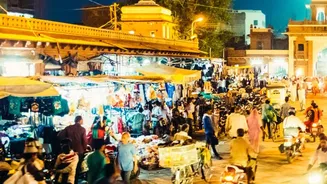
While no Indian street made it into the top tier of this year's global list, the underlying theme of walkability and urban renewal is highly relevant across the country. In Mumbai, for example, several projects are underway to reclaim streets for people. The recently launched Kala Ghoda Art Avenue transforms five streets in the heritage precinct into a pedestrian-only zone on weekend evenings, featuring public art and open-air seating. Similarly, projects like the pedestrian-friendly makeover under the Princess Street flyover and the planned redesign of the iconic Regal Junction show a clear move towards creating safer, more accessible, and culturally vibrant public spaces. These initiatives aim to improve the quality of life for residents and make areas more attractive to visitors by prioritising foot traffic over vehicles, a principle that defines many of the world's 'coolest' streets.
The Blueprint for a 'Cool' Street
So, what's the formula? Experts and urban planners point to a few key ingredients. A successful street blends different uses, hosting shops, cafes, and homes to ensure it stays active throughout the day. It needs to feel safe and accessible for everyone, with amenities like public seating, good lighting, and green spaces. Crucially, it must have a unique identity that reflects the local community. These streets are more than just a collection of shops; they are a cross-section of city life, offering a genuine sense of place. As cities continue to evolve, the focus on creating these kinds of people-first environments is a trend that is only set to grow.