








Decoding the Carb Conundrum
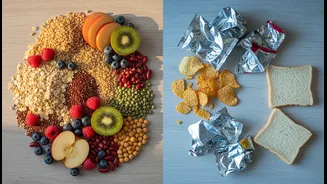
Not all carbohydrates are created equal, and this is the most important distinction many popular diets miss. Your body's main source of fuel is carbohydrates, which it breaks down into glucose. The difference lies in their structure. Simple carbohydrates, like
those in sugary drinks and white bread, are digested quickly, which can cause rapid spikes in blood sugar. Complex carbohydrates, found in whole foods, take longer to digest. This slow release of energy helps maintain stable blood sugar levels and keeps you feeling full longer, which is crucial for both energy and weight management.
The Underrated Power of Pulses
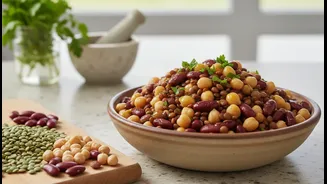
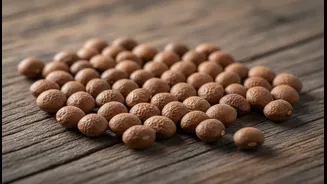
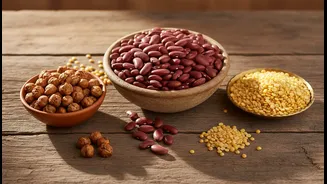
Pulses, which include dals, chickpeas, lentils, and beans, are a cornerstone of Indian cuisine for a good reason. While they do contain carbohydrates, they are nutritional powerhouses. They are packed with plant-based protein, dietary fibre, and essential minerals like iron and folate. The high fibre content in pulses is key; it slows down digestion, prevents sharp rises in blood sugar, and promotes a feeling of fullness, which can help control appetite. Because of this, pulses have a low glycemic index (GI), making them an excellent choice for managing blood sugar levels and supporting heart health.
Putting Fruit's Sweet Reputation to the Test
Fruit is often feared on low-carb diets because of its natural sugar (fructose). However, when you eat a whole fruit, you’re getting much more than just sugar. The fibre in fruits like apples, berries, and oranges slows the absorption of sugar into the bloodstream, preventing the dramatic spikes associated with processed sweets. Furthermore, fruits are bursting with vitamins, antioxidants, and other compounds that fight inflammation and reduce the risk of chronic diseases. While some fruits like mangoes and ripe bananas have a higher sugar content, they can still be part of a healthy diet when eaten in moderation, especially when paired with a protein source like yogurt to further slow sugar release.
Looking Beyond the 'Low-Carb' Label
Focusing solely on one macronutrient, like carbohydrates, can lead to a diet that is unnecessarily restrictive and nutritionally incomplete. Food labels can be a useful guide, but they don't tell the full story. A food marketed as 'low-carb' might be highly processed and lack essential nutrients, while a whole food like a chickpea or a banana is labelled 'high-carb' despite offering immense nutritional benefits. The concept of nutrient density is more important. This refers to the amount of vitamins, minerals, and other beneficial compounds a food contains relative to its calorie count. Pulses and fruits are classic examples of nutrient-dense foods that offer significant health advantages that far outweigh concerns about their carbohydrate content.